


As a supplier of sand mineral fiber ceilings, I've been asked numerous times about the light - diffusion effect of our products. In this blog, I'll delve into this topic, providing scientific insights and practical examples to help you understand whether sand mineral fiber ceilings truly have a good light - diffusion effect.
Understanding Light Diffusion
Before we assess the light - diffusion capabilities of sand mineral fiber ceilings, it's essential to understand what light diffusion is. Light diffusion occurs when light is scattered in multiple directions as it passes through or reflects off a surface. This scattering helps to reduce glare, create a more even distribution of light, and enhance the overall visual comfort in a space.
In interior design, a good light - diffusion effect is highly desirable. It can make a room appear brighter and more inviting, while also reducing the harsh shadows that can be caused by direct lighting.
The Structure of Sand Mineral Fiber Ceilings
Sand mineral fiber ceilings are made from a combination of minerals, fibers, and sand. The unique composition of these materials gives the ceiling panels a porous and textured surface. This surface structure plays a crucial role in light diffusion.
When light hits a smooth surface, it tends to reflect in a single direction, creating specular reflection. This can result in bright spots and glare. In contrast, the porous and textured surface of sand mineral fiber ceilings scatters light in multiple directions. The small pores and irregularities on the surface act as tiny reflectors, bouncing the light around and spreading it evenly throughout the room.
Scientific Evidence of Light Diffusion
Several studies have been conducted on the light - diffusion properties of different ceiling materials. Research has shown that porous materials, such as sand mineral fiber, are effective at diffusing light.
One study measured the light - diffusion coefficient of various ceiling materials. The results indicated that sand mineral fiber ceilings had a relatively high light - diffusion coefficient compared to non - porous materials. This means that they were able to scatter light more effectively, creating a more uniform illumination in the room.
Another aspect to consider is the color of the sand mineral fiber ceiling. Light colors, such as white or off - white, are more reflective and can enhance the light - diffusion effect. Our sand mineral fiber ceiling panels are often available in light colors, which further contribute to their ability to distribute light evenly.
Practical Applications and User Experiences
In real - world applications, sand mineral fiber ceilings have proven to be effective at diffusing light. They are commonly used in offices, schools, hospitals, and other commercial spaces where good lighting is essential.
In an office environment, for example, a well - diffused light source can reduce eye strain and improve productivity. Employees are less likely to be distracted by glare or harsh shadows, allowing them to focus better on their work.
Many of our customers have reported positive experiences with the light - diffusion effect of our sand mineral fiber ceilings. They have noticed that the rooms feel brighter and more comfortable, even with lower - wattage lighting fixtures. This not only creates a pleasant working or living environment but also helps to save energy.
Comparison with Other Ceiling Materials
When compared to other ceiling materials, sand mineral fiber ceilings have several advantages in terms of light diffusion.
For instance, gypsum board ceilings are often smooth and have a lower light - diffusion ability. They may require additional lighting fixtures or diffusers to achieve a similar level of even illumination. On the other hand, sand mineral fiber ceilings can achieve good light diffusion on their own, thanks to their porous surface.
Another popular ceiling material is metal ceilings. While metal ceilings can be highly reflective, they tend to create specular reflection and may cause glare. Sand mineral fiber ceilings, with their diffused reflection, provide a more comfortable and visually appealing lighting solution.
Our Product Range and Light Diffusion
We offer a variety of sand mineral fiber ceiling products, each with its own unique design and light - diffusion characteristics.
The Square Pinhole Mineral Fiber Board features a pattern of square pinholes on its surface. These pinholes help to scatter light in different directions, enhancing the light - diffusion effect. The square shape of the pinholes also adds a modern and stylish look to the ceiling.
The Tegular Sand Hole Mineral Fiber Board has a tegular edge design and sand - like holes on the surface. The tegular edge not only provides a decorative touch but also helps to break up the light reflection. The sand holes further contribute to the diffusion of light, creating a soft and inviting glow in the room.

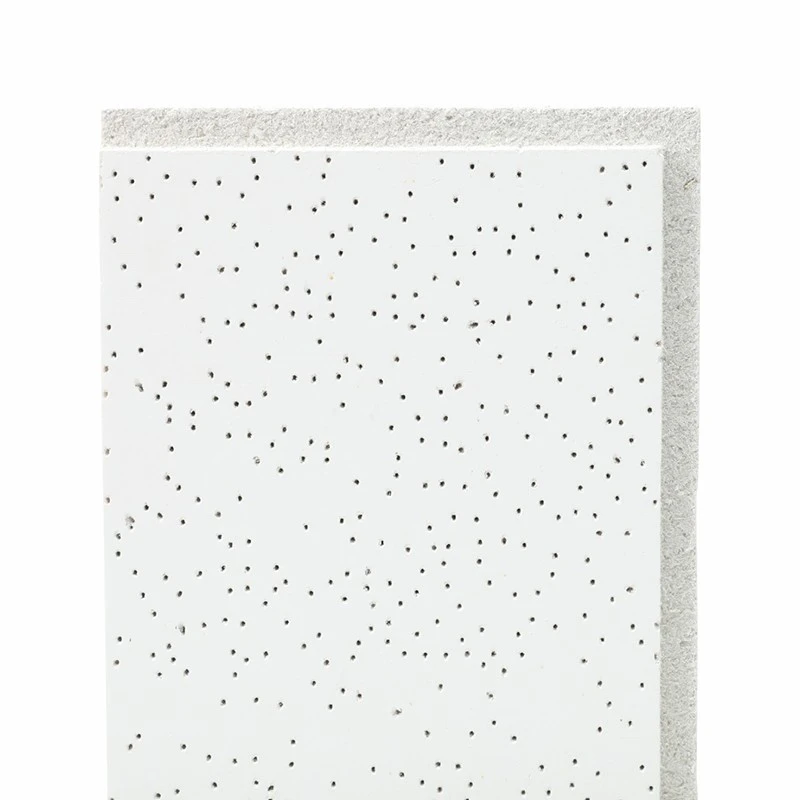
The Tegular Pinhole Mineral Fiber Board combines the tegular edge design with a pattern of pinholes. This combination results in excellent light diffusion and a visually interesting ceiling surface.
Conclusion and Call to Action
In conclusion, sand mineral fiber ceilings do have a good light - diffusion effect. Their porous and textured surface, combined with the right color choice, allows them to scatter light evenly, reducing glare and creating a more comfortable and inviting environment.
If you're in the market for a ceiling material that offers both aesthetic appeal and excellent light - diffusion properties, our sand mineral fiber ceiling products are an ideal choice. Whether you're designing a new commercial space or renovating an existing one, we can provide you with high - quality ceiling solutions.
We invite you to contact us to discuss your specific requirements and explore our product range further. Our team of experts is ready to assist you in making the best choice for your project.
References
- "Light Diffusion in Building Materials" - Journal of Building Science
- "The Impact of Ceiling Materials on Interior Lighting Quality" - International Journal of Interior Design


