


Pinhole mineral fiber boards are a popular choice for various interior applications due to their excellent acoustic properties, fire resistance, and aesthetic appeal. However, when used in wet areas such as bathrooms, kitchens, or basements, they need to be properly waterproofed to prevent damage from moisture and ensure their long - term performance. As a pinhole mineral fiber board supplier, I'm here to share some effective ways to waterproof these boards in wet areas.
Understanding the Risks of Moisture in Wet Areas
Moisture is the biggest enemy of pinhole mineral fiber boards in wet areas. When exposed to high humidity or direct water contact, these boards can absorb water, leading to several problems. Firstly, the boards may warp or swell, which not only affects their appearance but also compromises their structural integrity. Secondly, moisture can promote the growth of mold and mildew on the board surface, posing a health risk to the occupants. Additionally, water absorption can reduce the acoustic performance of the boards over time.
Pre - installation Waterproofing Measures
Select the Right Type of Board
Before installation, it's crucial to choose a pinhole mineral fiber board that has some degree of moisture resistance. We offer a range of products designed for wet areas, such as the Tegular Fine Fissure Mineral Fiber Board. This board is engineered with special additives and a unique manufacturing process to enhance its resistance to moisture. Another option is the Dampproof Acoustic Mineral Fiber Ceiling Board, which combines moisture protection with excellent acoustic properties, making it ideal for wet and noisy environments.
Seal the Edges
Once you've selected the appropriate board, it's essential to seal the edges before installation. The edges of the pinhole mineral fiber board are more vulnerable to water penetration compared to the surface. You can use a high - quality edge sealer specifically designed for mineral fiber boards. Apply the sealer evenly along all the edges of the board, ensuring a complete and tight seal. This will prevent water from seeping into the board through the edges, which is a common entry point for moisture.
Prime the Surface
Applying a primer to the board surface is another important pre - installation step. A good primer acts as a barrier between the board and the waterproofing coating, improving the adhesion of the coating and enhancing the overall waterproofing effect. Choose a primer that is compatible with both the mineral fiber board and the waterproofing product you plan to use. Apply the primer according to the manufacturer's instructions, usually in one or two thin coats, and allow it to dry completely before proceeding with the waterproofing coating.
Waterproofing Coating Application
Choose the Right Coating
There are several types of waterproofing coatings available in the market, and choosing the right one is critical. For pinhole mineral fiber boards, a water - based acrylic coating is often a good choice. It is easy to apply, dries quickly, and provides a flexible and durable waterproof layer. Some acrylic coatings also have additional features such as UV resistance and mildew protection. Another option is a polyurethane coating, which offers excellent chemical resistance and a high level of waterproofing. However, it may be more expensive and require more careful application.
Application Process
Before applying the waterproofing coating, make sure the board surface is clean, dry, and free of dust, grease, or any other contaminants. Stir the coating thoroughly to ensure a uniform consistency. You can apply the coating using a brush, roller, or spray gun, depending on the size of the area and the type of coating. If using a brush or roller, start from one corner of the board and work your way across in smooth, even strokes. Apply multiple thin coats rather than one thick coat to ensure better coverage and adhesion. Allow each coat to dry completely before applying the next one, following the drying time specified by the manufacturer.
Post - installation Maintenance
Regular Inspections
After the waterproofing process is completed and the boards are installed, regular inspections are necessary to ensure the long - term effectiveness of the waterproofing. Check the boards periodically for any signs of water damage, such as discoloration, warping, or mold growth. Pay special attention to the joints and edges of the boards, as these areas are more prone to water penetration. If you notice any problems, take immediate action to address them.
Clean the Surface
Keep the surface of the pinhole mineral fiber boards clean to prevent the accumulation of dirt and grime, which can potentially damage the waterproofing layer. Use a mild detergent and a soft cloth or sponge to clean the surface. Avoid using abrasive cleaners or scrubbers, as they can scratch the waterproofing coating and compromise its effectiveness. Rinse the surface thoroughly with clean water and dry it immediately after cleaning.
Additional Waterproofing Strategies
Use a Vapor Barrier
In some cases, especially in areas with extremely high humidity, installing a vapor barrier behind the pinhole mineral fiber boards can provide an extra layer of protection. A vapor barrier is a plastic or foil sheet that prevents water vapor from passing through to the boards. Install the vapor barrier according to the manufacturer's instructions, making sure it is properly sealed at the edges and joints. This can significantly reduce the risk of moisture damage to the boards.
Ensure Proper Ventilation
Proper ventilation is essential in wet areas to reduce humidity levels. Install exhaust fans in bathrooms and kitchens to remove excess moisture from the air. Make sure the ventilation system is working effectively and is properly maintained. Good ventilation not only helps to protect the pinhole mineral fiber boards but also improves the overall indoor air quality.
Conclusion
Waterproofing pinhole mineral fiber boards in wet areas is a multi - step process that requires careful planning and proper execution. By selecting the right type of board, taking pre - installation measures such as sealing edges and priming the surface, applying a suitable waterproofing coating, and performing regular maintenance, you can ensure the long - term performance and durability of the boards in wet environments.

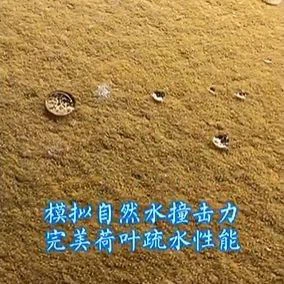
As a pinhole mineral fiber board supplier, we are committed to providing high - quality products and technical support to help you achieve the best results. If you are interested in our Tegular Sand Mineral Fiber Board or other products, or if you have any questions about waterproofing, please feel free to contact us for a procurement discussion. We look forward to serving you.
References
- Building Materials Handbook: A comprehensive guide to the properties and applications of various building materials, including mineral fiber boards.
- Waterproofing Technology Manual: Provides in - depth information on different waterproofing methods and products.
- Indoor Air Quality and Moisture Control Guidelines: Offers insights into the relationship between moisture, indoor air quality, and building materials.


