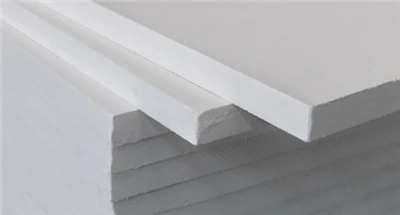
In modern construction and interior decoration, selecting the right ceiling material is essential for achieving durability, safety, and attractive interior finishes. Calcium silicate boards are widely used in commercial buildings, offices, schools, hospitals, and residential projects because of their dimensional stability and moisture resistance. Understanding the key factors involved in ceiling material selection can help contractors, importers, and building material distributors make informed purchasing decisions.

1. Understand the Properties of Calcium Silicate Boards
Calcium silicate boards are manufactured from mineral-based materials and reinforcing fibers. Their performance depends on the raw materials, manufacturing process, board density, thickness, and product formulation. They are commonly selected for projects requiring dimensional stability and resistance to moisture under appropriate service conditions.
When purchasing ceiling boards, buyers should review technical specifications and confirm whether the product is designed for interior ceilings, humid environments, or other specific applications.
2. Consider Moisture Resistance and Durability
Moisture conditions are an important consideration when choosing ceiling materials. Buildings such as hotels, commercial facilities, and residential properties may experience different levels of humidity depending on their location and ventilation systems.
A properly specified calcium silicate board can offer good moisture resistance and dimensional stability. However, water resistance does not automatically mean waterproof performance. Buyers should verify the manufacturer's test data and installation recommendations before selecting products for demanding environments.
3. Select Suitable Board Sizes and Thicknesses
Board dimensions and thickness influence installation methods, structural requirements, and overall project costs. Before purchasing materials, contractors should consider ceiling design, framing spacing, fastening methods, and local building regulations.
A suitable calcium silicate board false ceiling system should combine compatible boards, supporting frameworks, fasteners, and installation accessories. Correct installation helps improve stability and reduce the risk of cracking or other defects.
4. Compare Installation Costs and Long-Term Value
The lowest purchase price does not always represent the best value. International buyers should evaluate product quality, packaging, transportation costs, installation efficiency, and expected service life.
For importers and wholesalers, consistent product specifications and reliable supply are also important factors. Requesting samples, technical data sheets, and relevant quality certificates can help buyers compare suppliers more effectively.
5. Check Fire Performance and Applicable Standards
Fire performance is another important factor in commercial and public building projects. Buyers should not assume that all calcium silicate boards have the same fire-resistance rating. Actual performance depends on the product composition, thickness, complete ceiling assembly, and applicable testing standards.
For projects with specific fire-safety requirements, request valid test reports and confirm that the proposed ceiling system meets local building codes.

Choosing the right calcium silicate board false ceiling requires careful consideration of moisture conditions, board specifications, installation systems, fire performance, and overall project costs. By evaluating these factors before purchasing, contractors, distributors, and importers can select suitable ceiling materials for their target markets and construction requirements.
Working with a reliable manufacturer and confirming technical documentation before ordering can help improve purchasing decisions and support successful long-term business cooperation.