When planning a commercial ceiling installation, architects and builders frequently debate between two dominant materials: mineral fiber board and gypsum board (drywall). While both serve as reliable suspended ceiling options, they possess vastly different technical properties, installation costs, and performance lifespans.
For international building material wholesalers and procurement managers, understanding these differences is crucial to offering the right advice to your clients. This article delivers a direct comparison across the four most critical performance metrics.
1. Acoustic Performance (NRC & CAC)
Acoustic control is the primary differentiator between these two ceiling materials.
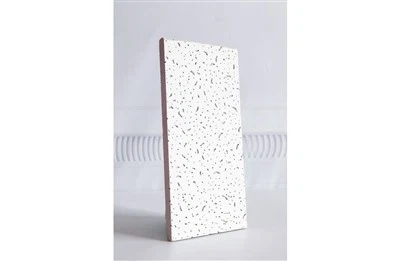
Mineral Fiber Board: Specifically engineered for sound management. It boasts a high Noise Reduction Coefficient (NRC) ranging from 0.50 to 0.70. The porous structure absorbs echo and reverberation seamlessly, making it indispensable for offices, classrooms, and libraries.
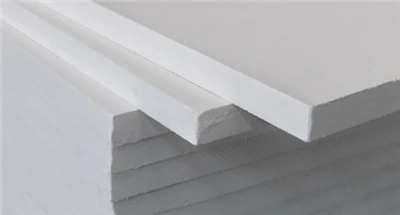
Gypsum Board: Standard drywall reflects sound rather than absorbing it, resulting in high echo. To achieve acoustic comfort, gypsum ceilings require expensive additional acoustic sprays or micro-perforations.
2. Installation and Grid Maintenance
Time on a construction site translates directly to labor costs.
Acoustic Mineral Fiber Tiles: Designed as a layout system for standard ceiling T-bar grids (600x600mm / 2x2 ft). They require no taping, sanding, painting, or drying time. Accessing wires, HVAC ducts, and pipes above the plenum is as simple as lifting a tile.
Gypsum Board: Requires heavy framing, joint taping, mudding, sanding, and a minimum of two coats of paint. Maintenance is highly destructive, requiring contractors to cut through the drywall to access utilities.
3. Fire Resistance Ratings
Both materials offer fire safety, but their behavior under extreme heat differs.
Mineral Wool Ceiling Boards: Naturally non-combustible. Made from volcanic rock and slag, they withstand temperatures exceeding 1000°C and achieve a strict Class A fire rating (ASTM E84). They do not emit toxic smoke.
Gypsum Board: Contains chemically combined water which resists fire, but standard drywall carries lower fire ratings unless upgraded to thick, heavy Type X gypsum boards at a premium cost.
4. Direct Comparison Table
| Performance Feature | Mineral Fiber Board | Gypsum Board (Drywall) |
|---|---|---|
| Primary Benefit | Maximum Acoustic Comfort | Smooth, Monolithic Look |
| Installation Speed | Extremely Fast (Lay-in) | Slow (Multi-step Drywalling) |
| Plenum Access | Instant & Tool-free | Destructive (Requires Access Panels) |
| Weight per Sqm | Light (Easy Grid Load) | Heavy (Requires Strong Framing) |
Summary Recommendation for Sourcing
If your project demands premium acoustics, rapid completion, and hassle-free utility access (e.g., standard corporate offices or commercial buildings), wholesale mineral fiber tiles are the superior choice. If the design demands a continuous, seamless, and paintable residential look, gypsum board remains the traditional path.