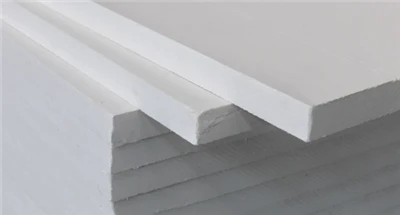
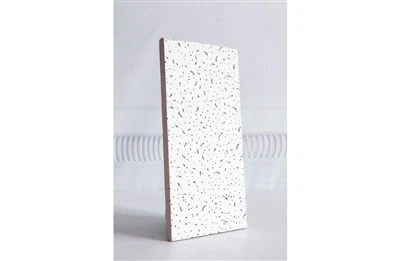
Products Description
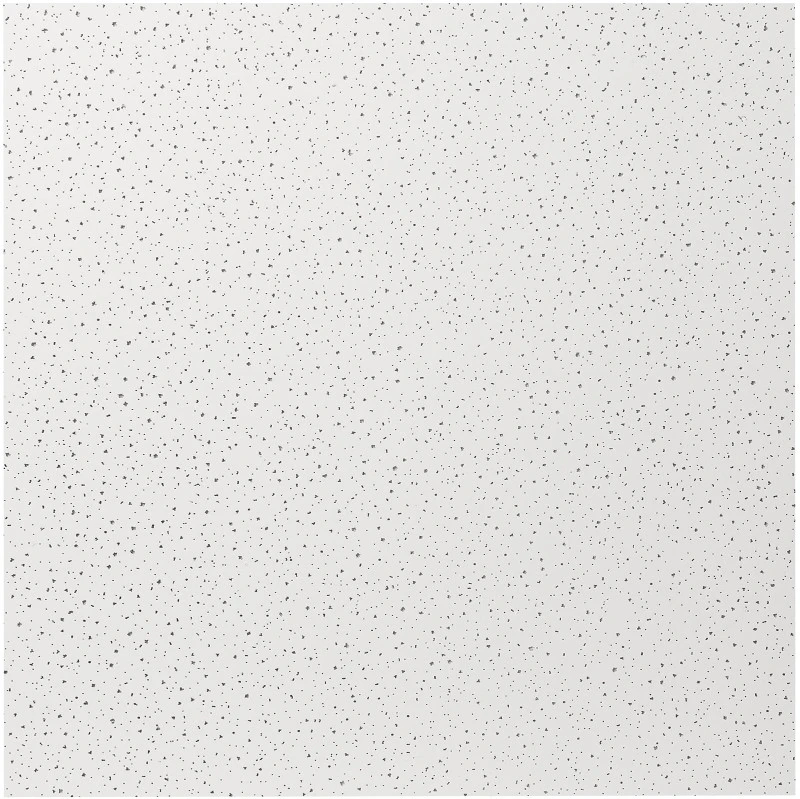
In the modern commercial construction industry, mineral fiber ceiling tiles have become the definitive standard for suspended ceiling systems. From high-rise corporate offices to sprawling airport terminals, these acoustic panels are specified globally for their functional performance and aesthetic versatility.
But what exactly makes this material so vital to commercial architecture? In this comprehensive guide, we explore the raw materials, critical performance metrics, and maintenance practices of premium mineral fiber ceilings.
Composition and Manufacturing Process
Mineral fiber ceiling boards are engineered using a combination of sustainable and high-performance raw materials. The primary ingredient is mineral wool (slag wool), which is blended with recycled newspaper, perlite, starch, and clay.
During manufacturing, these ingredients are mixed into a wet slurry, formed into continuous sheets, dried, and then cut to precise global export dimensions. The surfaces are then finished with specialized coatings to achieve specific textures-such as pinhole, fissured, or sandy patterns-while maximizing light reflectance.
Understanding Key Performance Metrics
When reviewing architectural blueprints or responding to commercial tenders, you will encounter several vital technical specifications. Understanding these metrics is key to choosing the right product grade:
1. Noise Reduction Coefficient (NRC)
NRC measures the amount of sound energy absorbed by the ceiling tile. It ranges from 0.0 (perfect reflection) to 1.0 (perfect absorption). Standard mineral fiber tiles offer an NRC between 0.50 and 0.55, which is ideal for general retail. High-acoustic variants can reach an NRC of 0.70 or higher, making them perfect for reducing echo in busy call centers and open-plan offices.
2. Ceiling Attenuation Class (CAC)
While NRC measures sound absorption within a room, CAC measures how well the tile prevents sound from traveling through the ceiling plenum into an adjacent room. A tile with a CAC rating of 35 or above provides superior speech privacy, which is a critical requirement for medical consulting rooms, legal offices, and executive boardrooms.
3. Relative Humidity (RH) and Sag Resistance
Standard ceiling panels can absorb atmospheric moisture, causing them to gain weight and sag over time. Premium tiles are manufactured with advanced anti-sag binders to withstand high humidity environments. Ratings like RH90 or RH95 mean the tiles will maintain their structural flatness even in areas with temporary humidity spikes or intermittent air conditioning.
4. Fire Performance (Class A Rating)
Because mineral wool is derived from natural rock and blast furnace slag, it is inherently non-combustible. High-quality mineral fiber tiles achieve a Class A fire rating. They feature a low flame spread index and low smoke development, providing vital passive fire protection in public commercial buildings.
Long-Term Maintenance and Care
To maximize the lifecycle of a mineral fiber suspended ceiling, facility managers should adhere to these basic maintenance guidelines:
Dusting: Regular dust removal should be performed using a soft brush or a vacuum cleaner equipped with a soft brush attachment. Always wipe or vacuum in one direction to prevent rubbing dust into the fissures.
Stain Handling: For dry smudges, a commercial art gum eraser can often lift the dirt. If moisture stains appear (usually caused by roof or HVAC leaks), the source of the leak must be fixed immediately. Once dry, localized water stains can sometimes be touched up with specialized ceiling spray paint, though severely damaged tiles should be replaced.
Handling Panels: When lifting panels for plenum access, maintenance staff should wear clean, white cotton gloves to avoid transferring skin oils and dirt to the pristine white face of the tile.
Direct-from-Factory OEM Manufacturing
Sourcing mineral fiber acoustic tiles directly from an experienced manufacturer gives global distributors and contractors a distinct competitive edge. We provide full customization capabilities-ranging from imperial and metric sizing (595x595mm, 603x603mm) to varied edge details like Tegular or Square edges.