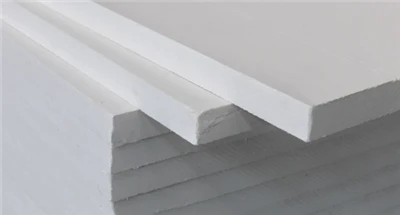
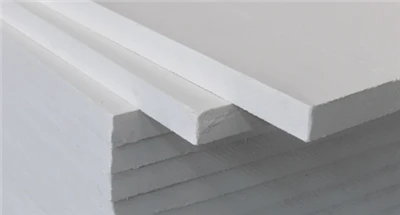
The global construction industry is undergoing a massive shift toward sustainability, safety, and energy efficiency. Among the innovative materials driving this transformation, calcium silicate boards have emerged as a top choice for architects, contractors, and developers worldwide. As urban populations grow and building codes become stricter, understanding the dynamics of this high-performance material is essential for sourcing professionals.
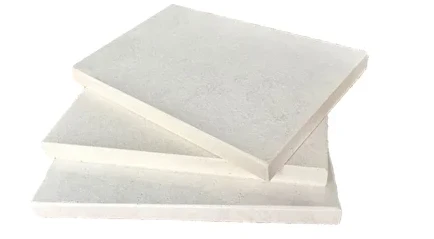
💡 Understanding the Technology Behind the Material
Calcium silicate boards are advanced building materials manufactured through a hydrothermal reaction of siliceous materials (such as quartz powder and diatomaceous earth) and calcareous materials (like lime and cement), reinforced with natural plant fibers.
Unlike traditional gypsum boards or plywood, this unique composite structure undergoes a high-pressure steam curing process (autoclaving). This chemical transformation creates a stable, crystalline structure that provides unparalleled dimensional stability and structural integrity under extreme conditions.
➡️ Key Drivers Boosting Global Demand
The surging popularity of calcium silicate boards in international markets is driven by several critical performance advantages:
Class A1 Fire Protection: They are non-combustible and do not emit toxic smoke during a fire, making them ideal for high-rise buildings, escape tunnels, and commercial centers.
Exceptional Moisture & Mold Resistance: They do not rot, warp, or sag in high-humidity areas like kitchens, bathrooms, or tropical climates, outperforming standard drywall.
Eco-Friendly & Non-Toxic: High-quality boards are 100% asbestos-free and release zero volatile organic compounds (VOCs), aligning perfectly with green building certifications like LEED.
Insect and Termite Resistance: The inorganic composition ensures complete protection against pests, significantly lowering long-term maintenance costs.
📊 Key Applications in Modern Architecture
As a highly versatile substrate, the industry has seen a massive expansion in how these boards are applied across commercial, industrial, and residential projects:
Partition Walls & Ceilings: Providing acoustic insulation and impact resistance in heavy-traffic environments like hospitals and schools.
Exterior Wall Cladding: Serving as a durable, weather-resistant backing matrix for modern energy-saving facade systems.
Passive Fire Protection Systems: Used to encase structural steelwork, air ducts, and fire barrier walls to prevent structural collapse during emergencies.
🌟 Looking Ahead: Future Market Trends
Moving toward 2027 and beyond, the calcium silicate board industry is focusing heavily on lightweight optimization and multifunctionality. Manufacturers are actively developing lower-density variations with enhanced thermal insulation properties to help buildings lower their carbon footprints. For international buyers, partnering with a manufacturer that holds verified global certifications (such as CE, ASTM, and ISO) is becoming the standard practice to ensure smooth customs clearance and project compliance.