The "thermal insulation" and "sound insulation" of building materials are two related but distinct properties that often need to be considered in coordination. The following table summarizes the mainstream materials and their characteristics:
| Category | Specific Examples | Primary Thermal Insulation Mechanism | Primary Soundproofing Mechanism | Key Characteristics & Applications |
| Mineral Fiber | Rock wool board/blanket, Glass wool board/blanket | Blocks heat conduction (via still air between fibers) | Absorbs mid to high-frequency sound waves, reduces structure-borne sound | Class A non-combustible, water-repellent, high-temperature resistant. Widely used for external wall insulation, fire barriers, equipment insulation. Often used as filler for sound absorption. |
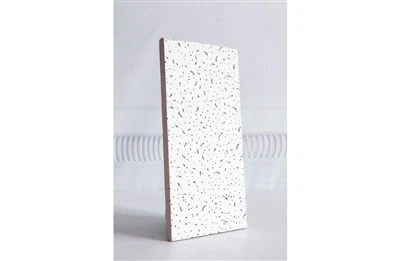
| Mineral Fiber Board (e.g., calcium silicate wool board) | Same as above | Excellent sound absorption, provides some sound insulation value | Higher strength than blankets, decorative. Commonly used in interior ceilings, wall panels, partitions as acoustic elements to improve room acoustics. | |
| Organic Insulation Boards | EPS/XPS Boards, Polyurethane (PUR/PIR) Boards | Blocks heat conduction (via closed-cell bubble structure) | Limited impact on airborne sound, but cushions impact noise | Excellent thermal insulation, lightweight. Mainstream for exterior wall insulation. Note fire rating (B1 or higher required). |
| Foam Materials | Polyethylene (PE) Foam, Rubber/Plastic Foam | Same as above | Absorbs mid/high frequencies, good elasticity | Soft, moisture-resistant, easy to install. Common for pipe insulation, floor underlayments (improves impact sound insulation), gap sealing. |
| Inorganic Slurries | Expanded Vitrified Microsphere Mortar, Foamed Cement | Blocks heat conduction (porous structure) | High mass helps with airborne sound insulation | Class A non-combustible, good adhesion to substrate, lower insulation efficiency. Used in areas with high fire safety requirements or complex shapes. |
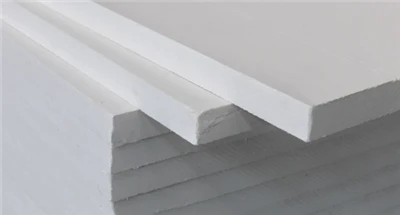
| Composite Functional Boards | Gypsum Board, Calcium Silicate Board | Limited inherent insulation value | Core mass layer in "mass-spring-mass" systems | Used as facing layers, combined with studs/joists and filler wool to create soundproof wall/ceiling systems. |
| Insulated Composite Panels | Depends on core material (organic or inorganic) | Depends on core and structure | Factory prefabricated, integrates insulation and finish, fast installation. |