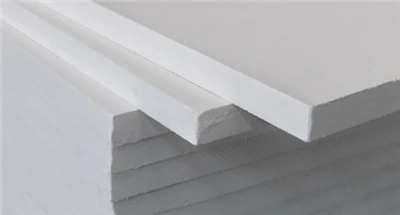
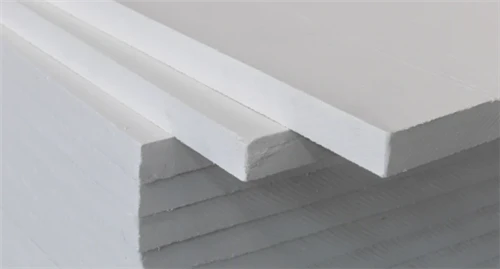
As global industries accelerate their transition toward carbon neutrality and energy efficiency, the market for high-performance thermal insulation materials is experiencing unprecedented growth. Among these, Calcium Silicate Insulation Board has emerged as a critical component for high-temperature thermal management across global power generation, petrochemical, and metallurgical sectors.
Driving the Green Transition in Heavy Industry
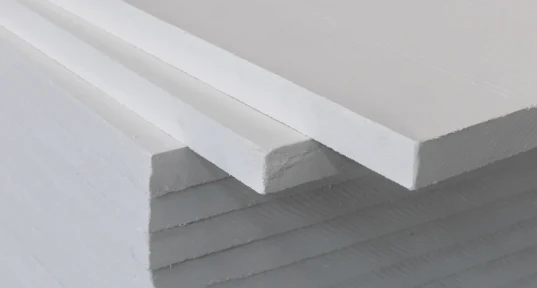
Traditional insulation materials often struggle to balance structural strength with extreme thermal efficiency. Modern calcium silicate boards resolve this bottleneck by offering a rigid, lightweight, and 100% asbestos-free matrix capable of enduring continuous operational temperatures up to 1000°C (1800°F).
According to recent industrial energy audits, upgrading furnace linings and steam piping systems with premium calcium silicate boards can reduce heat loss by up to 35%. This direct energy saving translates into significantly lower carbon emissions and rapid return on investment (ROI) for plant operators in highly regulated markets like Europe and North America.
Unmatched Technical Performance in Harsh Environments
The global shift toward calcium silicate insulation is driven by several key engineering advantages:
Superior Compressive Strength: Unlike ceramic fiber blankets, these boards resist crushing and deformation, making them ideal for load-bearing backup insulation in heavy-duty kilns and aluminum smelting cells.
Moisture & Corrosion Defense: The unique hydro-thermal crystalline structure prevents water retention and subsequent corrosion under insulation (CUI), a multi-billion dollar problem in offshore oil rigs and chemical plants.
Operational Safety: Meeting the strictest international Class A1 non-combustible standards, they release zero toxic smoke or gases during fire events, ensuring occupational health safety.
Elevating Supply Chain Resilience for International Buyers
With global supply chains prioritizing cost-efficiency and reliable lead times, top-tier manufacturers are now optimizing production to offer customizable densities (ranging from 220 to 270 kg/m³) and custom-cut geometries. This flexibility drastically simplifies on-site installation, reducing factory downtime during scheduled maintenance turnarounds.