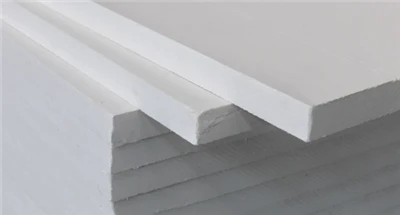
1. What are Mineral Fiber Ceiling Tiles?
Mineral Fiber Ceiling Tiles (commonly referred to as mineral wool acoustic boards) are high-density acoustic ceiling materials primarily utilized in commercial grid suspension systems (T-bar ceilings).
They are manufactured using mineral wool (slag wool or rock wool) as the core ingredient, mixed with organic binders, additives, and recycled paper. Through processing steps such as forming, drying, cutting, and surface finishing, these materials are shaped into lightweight, rigid tiles that dominate modern commercial architecture due to their unmatched cost-to-performance acoustic ratio.

2. Mineral Fiber vs. Alternatives (Material Matrix)
To avoid procurement confusion, it is crucial to differentiate mineral fiber from other common false equivalents in the market:
| Material Type | Core Ingredients | Key Properties & Strengths | Primary Application |
|---|---|---|---|
| Mineral Fiber | Slag/Rock Wool | Exceptional sound absorption (NRC), fire-retardant, cost-effective. | Mainstream commercial offices, schools, retail spaces. |
| Fiberglass | Glass Fiber, Resin | Superior humidity resistance, extremely lightweight, sag-free. | Premium acoustic spaces, high-moisture interiors. |
| Calcium Silicate | Siliceous & Calcareous | Ultra-high strength, 100% waterproof, impact-resistant, very heavy. | High-traffic subways, industrial basements, wet zones. |
| Gypsum Board | Gypsum, Facing Paper | Low cost, high rigidity, smooth paint finish, poor native acoustics. | Residential drywall, decorative monolithic ceilings. |
3. Key Technical Performance Indicators
When specifying or exporting mineral fiber tiles, overseas buyers and architects focus on four critical engineering standards:
NRC (Noise Reduction Coefficient): Measures the amount of sound absorbed by the tile. Standard tiles range between 0.50 and 0.55, while premium acoustic micro-perforated options can achieve an NRC of 0.70+, significantly reducing echo and reverberation.
CAC (Ceiling Attenuation Class): Measures the tile's ability to block sound from traveling through the plenum space into an adjacent room. High-performance tiles offer a CAC of 35–40 dB, ensuring speech privacy between partitioned offices.
Sag & Humidity Resistance (RH90 / RH99): Low-grade tiles absorb moisture and sag over time. Advanced tiles are formulated with moisture-resistant resins to withstand 90% to 99% relative humidity without warping.
Fire Rating (Class A / A2): Being composed of inorganic mineral fibers, these tiles are naturally flame-retardant. They consistently pass strict international fire regulations, such as ASTM E84 Class A (US) or EN 13501 Class A2 (EU).
4. Classification by Textures and Edge Details
A. Popular Surface Textures
Fissured / Granular: The timeless industry classic. Characterized by directional or non-directional cracks and sand-like finishes that maximize surface area for superior sound absorption at a low cost.
Micro-Perforated: Features microscopic needle-point pinholes. Appears smooth, sleek, and minimalist from afar, aligning with modern high-end architectural aesthetics.
Embossed / Textured: Features stamped geometric or organic relief patterns, primarily focused on visual aesthetics.
B. Edge Profiles for Installation
Square Edge (Lay-in): The simplest profile where the board lays completely flat and flush on standard T-grids, leaving the metal grid fully exposed.
Tegular Edge (Reveal): The edge is routed or stepped, dropping the panel face slightly below the suspension grid to create a bold, three-dimensional shadow line.
Concealed Edge: The edges are grooved and keyed to snap together tightly over hidden grids, creating a seamless, monolithic monolithic ceiling appearance.
5. Primary Application Sectors
Corporate & Commercial Offices: Open-plan layouts, conference rooms, and corridors to maintain speech intelligibility and minimize phone/typing echoes.
Educational Facilities: Classrooms, lecture halls, and libraries to ensure student focus and speech clarity.
Healthcare Units: Hospitals and clinics, utilizing premium tiles coated with anti-microbial/anti-bacterial paint to control cleanroom dust and inhibit mold growth.
Transportation Hubs: Airports, train station terminals, and subways to manage heavy ambient crowd noise.