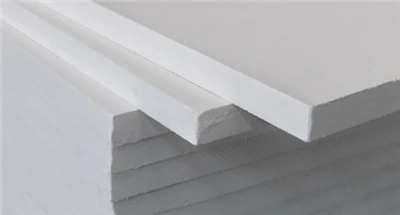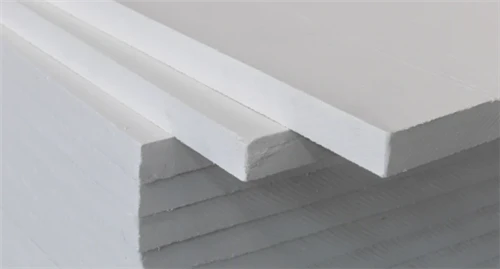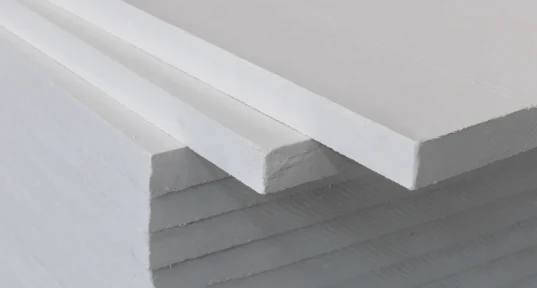
In high-temperature industries, petrochemicals, power generation, and metallurgy, finding a material that balances exceptional thermal insulation with high structural strength is critical. Calcium Silicate Insulation Board has become the premier choice for global B2C buyers due to its unique crystalline structure and rigid durability.
For procurement managers, EPC contractors, and distributors sourcing via Waimao Kuaiche, verifying the following 5 technical indicators is essential to ensure long-term operational safety and efficiency.
1. Classification Temperature & Thermal Stability
Calcium silicate insulation boards are typically categorized into 650°C (1200°F) mid-temperature grade and 1000°C (1800°F) high-temperature grade.
Buying Tip: Overseas buyers closely inspect linear shrinkage. A premium board subjected to its maximum temperature for 16 hours must maintain a linear shrinkage of ≤ 2.0%. Excessive shrinkage causes joints to open, leading to heat leaks and outer cladding failure.
2. The Balance of Bulk Density & Structural Strength
Standard industrial calcium silicate boards generally feature a density between 220 - 270 kg/m³.
Buying Tip: Density is a balancing act. If it is too low, the flexural and compressive strength will fail, causing boards to crack during maritime transit or on-site kiln installation. If it is too high, thermal efficiency drops. Superior manufacturing processes keep the board lightweight while securing a compressive strength of ≥ 0.50 MPa.
3. Thermal Conductivity & Energy Savings
Thermal conductivity is the direct measure of insulation efficiency. For a standard board at an average temperature of 400°C, this value should be ≤ 0.065 W/m·k.
Buying Tip: Lower thermal conductivity means optimized heat retention for pipelines and furnaces. Against the backdrop of global carbon reduction initiatives, a verified low-conductivity test report is the ultimate tool to win high-volume international tenders.
4. 100% Asbestos-Free Formulation
Buying Tip: Premium markets like Europe, North America, Japan, and South Korea enforce zero-tolerance policies regarding hazardous materials. Modern calcium silicate boards must utilize 100% asbestos-free mineral and plant fibers for structural reinforcement. Providing clear RoHS or REACH test reports is mandatory to pass strict import customs clearance smoothly.
5. Moisture Resistance & CUI Prevention
When insulation materials absorb water in outdoor or high-humidity coastal environments, their insulation performance plummets, accelerates metal piping degradation, and causes Corrosion Under Insulation (CUI).
Buying Tip: Top-tier suppliers integrate advanced hydrophobic agents into the mixture. This delivers superior moisture resistance throughout the entire board matrix, extending the lifespan of the insulated industrial pipes and equipment.