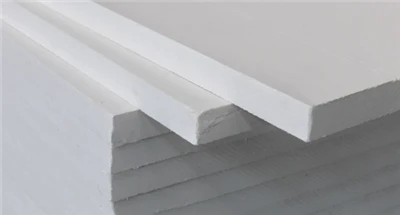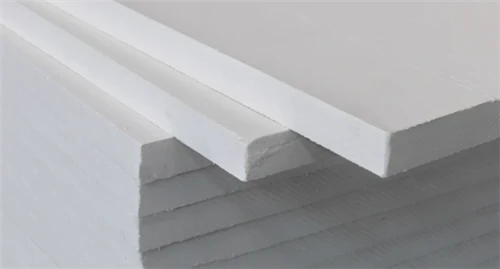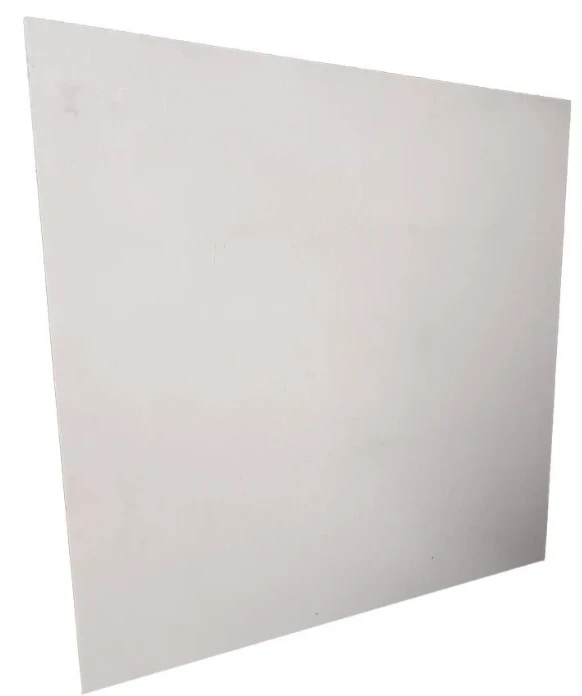
When sourcing high-performance building materials for global construction projects, Calcium Silicate Board has become one of the most specified alternatives to traditional drywall and cement boards. Known for its exceptional fireproofing and structural stability, this eco-friendly material is a staple in modern commercial, industrial, and residential sectors.
In this comprehensive guide, we cover everything international buyers, architects, and wholesalers need to know before importing this versatile material.
What is Calcium Silicate Board?
Calcium Silicate Board is a lightweight, non-combustible building substrate manufactured through an advanced autoclaved process. It is composed of a precise chemical formulation:
Siliceous Materials: Quartz sand, diatomaceous earth.
Calcareous Materials: Lime, calcium oxide, cement.
Reinforcing Fibers: Natural cellulose fibers (guaranteeing 100% asbestos-free composition).
Under high pressure and high-temperature steam curing (hydrothermal reaction), these raw materials crystalline into a rugged, high-strength structure known as Tobermory.
Calcium Silicate Board vs. Gypsum Board vs. Fiber Cement Board
To help procurement managers make informed decisions, here is a direct comparison of how calcium silicate boards stack up against competing materials:
Top 5 Benefits of Sourcing Calcium Silicate Boards
1. Superior Passive Fire Protection
Complying with global standards, these boards do not ignite, melt, or emit toxic smoke during a fire. They act as critical thermal barriers in fire-rated partitions and ceiling systems.
2. Exceptional Moisture & Waterproof Resistance
Standard drywalls degrade rapidly in damp environments. Waterproof calcium silicate boards maintain their original dimensions, flexural strength, and density even after long-term exposure to high humidity, preventing warping and delamination.
3. Termite, Mold, and Pest Resistance
The alkaline nature of calcium silicate makes it completely inhospitable to mold growth, fungal spores, termites, and rodents. This guarantees long-term durability and safeguards indoor air quality (IAQ).
4. Eco-Friendly and Healthy Living
Premium manufacturers ensure a strictly non-toxic, asbestos-free production line. It does not release Volatile Organic Compounds (VOCs) or formaldehyde, meeting strict European and North American green building certifications.
5. Easy Workability and Installation
Despite its strength, the board can be easily cut with standard woodworking tools, scored, drilled, and fixed with self-tapping screws. It accepts a wide range of finishes, including paint, wallpaper, ceramic tiles, and veneers.
Common Applications in Global Construction
Interior Partition Walls: Fire-separated walls in hotels, malls, hospitals, and offices.
Suspended Ceilings: Acoustic and damp-proof ceiling grids in public transit stations, schools, and basements.
High-Humidity Zones: Wall linings for commercial kitchens, public restrooms, laundry rooms, and indoor swimming pools.
Industrial Backing: High-temperature insulation backings for furnaces and ship cabin bulkheads.
Buying Tips for International Importers
When sending an inquiry to an OEM manufacturer, always clarify the following technical parameters to ensure you receive the right product and accurate quotation:
Density Requirements: Low-density (<1.0 g/cm³) is ideal for thermal insulation. Medium-to-high density (1.1 - 1.4 g/cm³) is required for high-strength wall partitions and ceilings.
Thickness Matching: Standard thicknesses range from 4.5mm to 25mm. 6mm–9mm are mostly preferred for ceilings, while 12mm and above are used for heavy-duty partitions.
Edge Profiling: Specify if your project requires a Square Edge (SE) for visible grid ceilings, or a Tapered/Chamfered Edge (TE) for seamless jointing and painting.
Export Certifications: Ensure the supplier provides certified test reports to clear customs efficiently in your destination country.