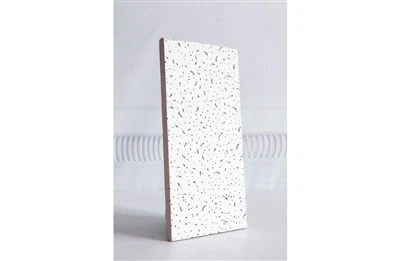
As a supplier of ceiling T grids, I've often been asked about the energy efficiency of these products. In this blog post, I'll explore the various aspects of ceiling T grids' energy efficiency, drawing on scientific research and industry knowledge to provide a comprehensive answer.
1. Understanding Ceiling T Grids
Ceiling T grids are an essential component in suspended ceiling systems. They are typically made of metal, such as aluminum or steel, and are designed in a T - shaped profile. These grids serve as a framework to support ceiling panels, creating a clean and organized look in commercial and residential buildings. There are different types of ceiling T grids available in the market, including 3D T Grid, CEILING TEE GRID, and Silhouette T Grid, each with its own unique design and application.
2. How Ceiling T Grids Can Contribute to Energy Efficiency
2.1 Thermal Insulation
Ceiling T grids can play a role in thermal insulation. When properly installed with appropriate ceiling panels, they can help create a barrier between the conditioned space below the ceiling and the unconditioned space above. This reduces heat transfer, either from the outside in during hot weather or from the inside out during cold weather. For example, if a building has a well - insulated ceiling system with a good T - grid framework, the HVAC (Heating, Ventilation, and Air Conditioning) system doesn't have to work as hard to maintain a comfortable temperature. This can lead to significant energy savings over time.
A study by the American Society of Heating, Refrigerating and Air - Conditioning Engineers (ASHRAE) found that proper insulation in commercial buildings can reduce heating and cooling energy consumption by up to 30%. While the T grid itself may not be a major insulation material, it provides the structure for the insulation - bearing ceiling panels, contributing indirectly to this energy - saving potential.
2.2 Lighting Efficiency
Ceiling T grids are often used in conjunction with lighting fixtures. They can be designed to accommodate recessed lighting, pendant lights, or other types of lighting systems. By providing a well - organized framework for lighting, T grids can help optimize the distribution of light in a space.
For instance, some T grids are designed to have a high - reflectivity surface. This means that they can reflect more light from the fixtures, reducing the amount of light that is absorbed or wasted. As a result, less energy is needed to achieve the same level of illumination in a room. According to the U.S. Department of Energy, improving lighting efficiency can lead to energy savings of up to 50% in commercial buildings.
3. Factors Affecting the Energy Efficiency of Ceiling T Grids
3.1 Material Selection
The material of the ceiling T grid can significantly impact its energy - efficiency performance. Aluminum is a popular choice for T grids due to its light weight, corrosion resistance, and relatively high thermal conductivity. While its high thermal conductivity may seem counterintuitive for insulation, aluminum can also be an effective heat conductor when used in combination with other insulation materials. It can help dissipate heat evenly, reducing the risk of hot spots and improving overall energy efficiency.
On the other hand, steel T grids are stronger and more durable but may have different thermal properties. The choice between aluminum and steel depends on the specific requirements of the building, such as the climate, the type of ceiling panels used, and the budget.
3.2 Installation Quality
Proper installation of ceiling T grids is crucial for energy efficiency. If the grids are not installed level or if there are gaps between the grid and the ceiling panels, it can compromise the insulation and air - sealing performance of the ceiling system. Air leakage can account for a significant portion of energy loss in a building, as warm or cool air can escape through these gaps.
A research report from the Building Science Corporation indicated that up to 40% of a building's heating and cooling energy can be lost through air leakage. Ensuring a tight and proper installation of ceiling T grids can help minimize this air leakage, improving the overall energy efficiency of the building.
3.3 Compatibility with Other Building Components
The energy efficiency of ceiling T grids also depends on their compatibility with other building components, such as ceiling panels, HVAC systems, and lighting fixtures. For example, if the ceiling panels are not properly sized or installed with the T grid, it can create gaps that allow heat to transfer more easily. Similarly, if the lighting fixtures are not well - integrated with the T grid, it can lead to inefficient light distribution.


4. Case Studies: Energy Savings with Ceiling T Grids
Let's look at a couple of real - world examples to illustrate the energy - saving potential of ceiling T grids.
4.1 Commercial Office Building
A large commercial office building in a temperate climate decided to upgrade its ceiling system. The old ceiling had a poorly installed grid and low - quality panels, resulting in high energy consumption for heating and cooling. After replacing the ceiling with a new system featuring a well - designed CEILING TEE GRID and high - performance insulation panels, the building saw a 20% reduction in its HVAC energy consumption within the first year. This was mainly due to the improved thermal insulation provided by the new ceiling system.
4.2 Retail Store
A retail store in a hot climate area installed a new ceiling system with a Silhouette T Grid and energy - efficient LED lighting fixtures. The high - reflectivity surface of the T grid helped to distribute light more evenly, reducing the need for additional lighting. As a result, the store was able to achieve a 30% reduction in its lighting energy consumption, leading to significant cost savings over time.
5. Conclusion and Call to Action
In conclusion, ceiling T grids can be an important factor in improving the energy efficiency of a building. Through proper material selection, installation, and compatibility with other building components, they can contribute to thermal insulation and lighting efficiency, leading to significant energy savings.
If you're considering a ceiling renovation or construction project and are looking for high - quality, energy - efficient ceiling T grids, I invite you to reach out to us. We offer a wide range of options, including 3D T Grid, CEILING TEE GRID, and Silhouette T Grid, each designed to meet different architectural and energy - saving needs. Contact us to discuss your requirements and start your journey towards a more energy - efficient building.
References
- American Society of Heating, Refrigerating and Air - Conditioning Engineers (ASHRAE) research on building insulation and energy consumption.
- U.S. Department of Energy reports on lighting efficiency in commercial buildings.
- Building Science Corporation research on air leakage in buildings.