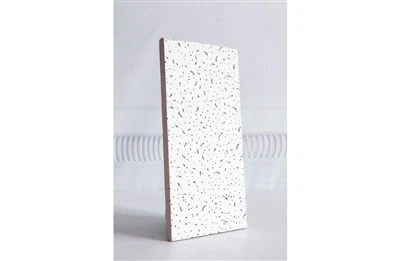
Hey there! As a supplier of dune mineral fiber ceiling tiles, I often get asked a bunch of questions about our products. One question that pops up quite a bit is, "Are dune mineral fiber ceiling tiles resistant to insects?" Well, let's dig into this topic and find out.
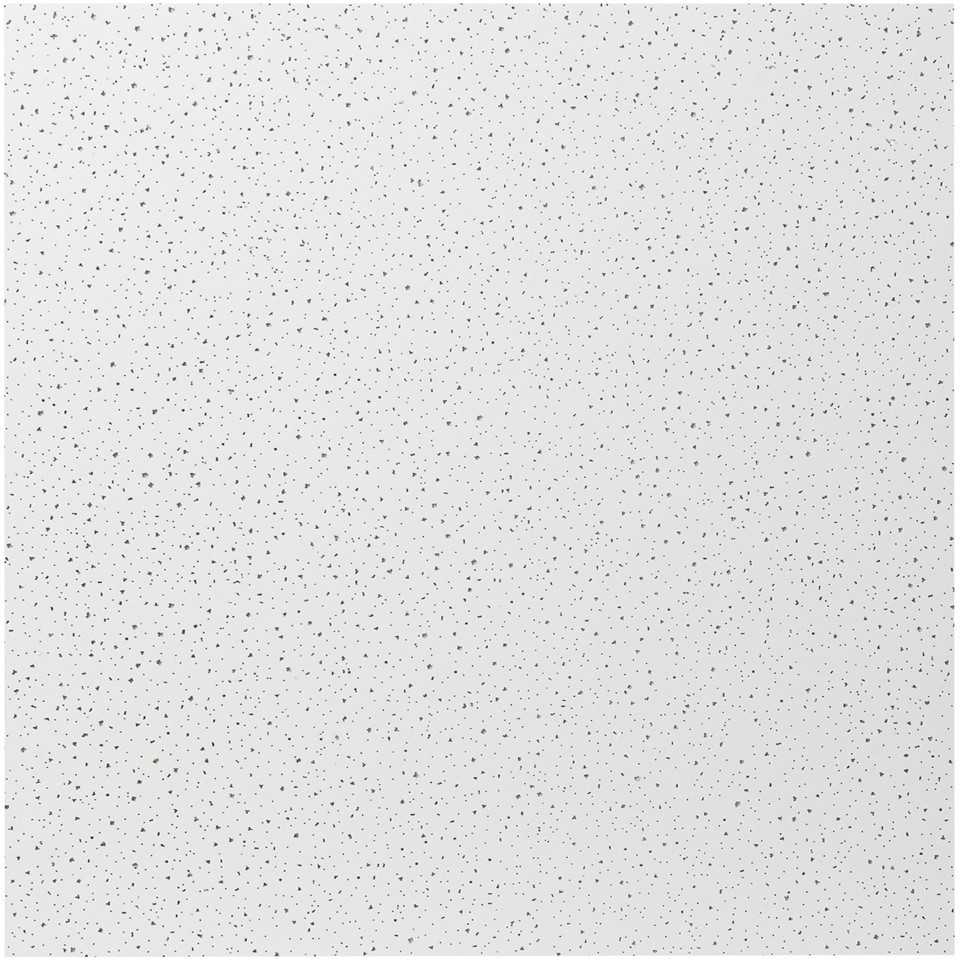
First off, let's understand what dune mineral fiber ceiling tiles are. These tiles are made from a combination of mineral fibers, binders, and other additives. They're known for their excellent acoustic properties, fire resistance, and aesthetic appeal. They come in various styles like the Square Fine Fissure Mineral Fiber Board, Tegular Pinhole Mineral Fiber Board, and Mineral Fiber Wool Ceiling Tiles.
Now, let's talk about insects. Insects are attracted to different things in a building. Some are after food sources, like crumbs or stored grains. Others are looking for a place to nest and lay their eggs. Moisture is also a big draw for many insects. They can cause all sorts of problems, from structural damage to health issues.
So, are dune mineral fiber ceiling tiles resistant to insects? The short answer is yes, they generally are. Here's why.
1. Material Composition
The main component of dune mineral fiber ceiling tiles is mineral fibers. These fibers aren't a food source for insects. Unlike wood, which termites love to munch on, mineral fibers don't provide the nutrients that insects need to survive. Insects like termites, carpenter ants, and powderpost beetles are attracted to the cellulose in wood. Since there's no cellulose in dune mineral fiber ceiling tiles, they're not on the insects' menu.
2. Lack of Moisture Retention
Moisture is a key factor in insect infestations. Many insects need a certain level of humidity to survive and reproduce. Dune mineral fiber ceiling tiles are designed to have low moisture absorption. They don't hold onto water, which means there's no damp environment for insects to thrive in. For example, silverfish and cockroaches are often found in moist areas. But with dune mineral fiber ceiling tiles, there's no such inviting spot for them.

3. Treatment and Coatings
During the manufacturing process, dune mineral fiber ceiling tiles are often treated with chemicals that act as insect repellents. These treatments create a barrier that insects don't like to cross. Some coatings also make the surface of the tiles less appealing to insects. They might have a texture or smell that insects find off - putting.
However, it's important to note that while dune mineral fiber ceiling tiles are generally insect - resistant, they're not completely immune. Here are some situations where insects might still be a problem.
1. Poor Installation
If the ceiling tiles aren't installed properly, there could be gaps or spaces where insects can enter. For example, if the tiles aren't fitted tightly together, insects like spiders or beetles might find their way in and build a nest. Also, if the edges of the tiles aren't sealed correctly, moisture could seep in, creating a more attractive environment for insects.
2. Surrounding Environment
The overall environment of the building matters. If there's a major insect infestation in the area, say, a termite colony in the nearby soil or a cockroach problem in the basement, insects could potentially spread to the ceiling tiles. Even though the tiles themselves aren't a food source, insects might use them as a hiding place.
3. Contamination
If the ceiling tiles get contaminated with food or other organic matter, it could attract insects. For example, if there's a leak in the ceiling and food particles get stuck on the tiles, it could draw in insects like flies or ants.
To keep your dune mineral fiber ceiling tiles insect - free, here are some tips.
1. Proper Installation
Make sure to hire a professional installer. They'll know how to fit the tiles correctly, seal the edges, and ensure there are no gaps. This will prevent insects from getting in through the installation points.
2. Regular Maintenance
Inspect the ceiling tiles regularly for any signs of damage or contamination. Clean the tiles periodically to remove any dust or debris. If you notice any issues, like a small crack or a stain, address it right away.
3. Control the Environment
Keep the building clean and dry. Fix any leaks promptly to prevent moisture buildup. Also, store food properly and keep the area free of crumbs and spills. This will reduce the chances of attracting insects to the building in the first place.
In conclusion, dune mineral fiber ceiling tiles are a great choice when it comes to insect resistance. Their material composition, low moisture absorption, and treatments make them an unappealing option for most insects. But like any building material, they need to be installed and maintained properly to ensure maximum protection.
If you're thinking about using dune mineral fiber ceiling tiles for your next project, don't hesitate to reach out. We're here to answer all your questions and help you choose the right product for your needs. Whether you're interested in the Square Fine Fissure Mineral Fiber Board, Tegular Pinhole Mineral Fiber Board, or Mineral Fiber Wool Ceiling Tiles, we've got you covered. Contact us to start a purchase negotiation and let's make your space beautiful and insect - free!
References
- Building Materials Handbook: Covers the properties and manufacturing of mineral fiber ceiling tiles.
- Entomology Research Journal: Articles on insect behavior and their attraction to different building materials.
- Home Improvement Magazines: Practical tips on maintaining ceiling tiles and preventing insect infestations.