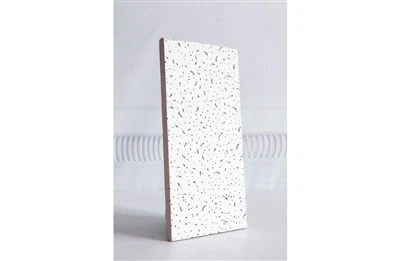
When it comes to designing and outfitting an art gallery, every decision matters. From the lighting fixtures that illuminate the masterpieces to the wall colors that set the mood, each element plays a crucial role in enhancing the overall viewing experience. One often overlooked aspect is the ceiling. The choice of ceiling material can significantly impact the acoustics, aesthetics, and functionality of an art gallery. In this blog post, as a supplier of sand mineral fiber tiles, I will explore whether sand mineral fiber tiles are suitable for art galleries.
Acoustic Performance
Art galleries are spaces where visitors come to appreciate and engage with art in a quiet and contemplative environment. Unwanted noise can be a major distraction, detracting from the immersive experience that galleries aim to provide. This is where the acoustic properties of sand mineral fiber tiles shine.
Sand mineral fiber tiles are known for their excellent sound - absorbing capabilities. They are designed to reduce echo and reverberation within a space. In an art gallery, this means that the sound of footsteps, conversations, and even the ambient noise from the outside world can be effectively dampened. For example, when a large group of visitors is moving through the gallery, the sound of their footsteps won't bounce off the ceiling and create a cacophony. Instead, the sand mineral fiber tiles absorb the sound waves, creating a more peaceful and focused atmosphere for art appreciation.
The acoustic performance of sand mineral fiber tiles can be measured by their Noise Reduction Coefficient (NRC). A higher NRC value indicates better sound - absorbing properties. Many sand mineral fiber tiles have an NRC of 0.75 or higher, which makes them ideal for art galleries where acoustic control is essential.
Aesthetic Appeal
In addition to their acoustic benefits, sand mineral fiber tiles offer a wide range of aesthetic options. They come in various textures, patterns, and colors, allowing art gallery designers to create a ceiling that complements the overall theme and style of the gallery.
For a modern and minimalist art gallery, smooth - surfaced sand mineral fiber tiles in neutral colors such as white or gray can provide a clean and unobtrusive backdrop. This allows the artworks on the walls to take center stage without any visual distractions from the ceiling. On the other hand, if the gallery has a more eclectic or avant - garde style, sand mineral fiber tiles with unique patterns or textures can add an extra layer of visual interest. For instance, Square Fine Fissure Mineral Fiber Board features a fine fissure pattern that can create a sense of depth and complexity on the ceiling.
Moreover, sand mineral fiber tiles can be installed in different configurations, such as a grid system or a seamless look. The grid system can add a sense of structure and organization to the ceiling, while a seamless installation can give the impression of a continuous and flowing surface.
Durability and Maintenance
Art galleries are public spaces that receive a significant amount of foot traffic. Therefore, the ceiling material needs to be durable and easy to maintain. Sand mineral fiber tiles are well - suited for this purpose.
They are made from high - quality materials that are resistant to wear and tear. Unlike some other ceiling materials, sand mineral fiber tiles are less likely to crack, warp, or discolor over time. This means that the ceiling will retain its appearance and functionality for many years, even in a busy art gallery environment.
In terms of maintenance, sand mineral fiber tiles are relatively easy to clean. Regular dusting or vacuuming can remove most of the dirt and debris. In case of more stubborn stains, a mild detergent can be used for cleaning without causing damage to the tiles. This low - maintenance aspect is a significant advantage for art gallery owners and managers, as it reduces the time and cost associated with ceiling upkeep.
Fire Resistance
Safety is a top priority in any public space, including art galleries. Sand mineral fiber tiles have excellent fire - resistant properties. They are made from non - combustible materials, which means that they will not contribute to the spread of fire in case of an emergency.
In many countries, building codes require public spaces to have fire - resistant ceiling materials. Sand mineral fiber tiles meet these requirements, providing an added layer of safety for art galleries and their visitors. This fire resistance can also give peace of mind to art gallery owners, knowing that their valuable art collections are better protected in case of a fire.
Cost - Effectiveness
Budget is always a consideration when designing and outfitting an art gallery. Sand mineral fiber tiles offer a cost - effective solution compared to some other ceiling materials.
They are generally more affordable than materials such as wood or metal ceilings. At the same time, they do not compromise on quality or performance. The combination of their acoustic, aesthetic, durability, and fire - resistant properties makes them a great value for money. For art galleries with limited budgets, sand mineral fiber tiles can provide a high - quality ceiling solution without breaking the bank.
Conclusion
In conclusion, sand mineral fiber tiles are highly suitable for art galleries. Their excellent acoustic performance creates a quiet and focused environment for art appreciation. The wide range of aesthetic options allows them to be customized to fit the style of any gallery. Their durability, low maintenance requirements, fire resistance, and cost - effectiveness make them a practical choice for art gallery owners and designers.
If you are an art gallery owner, designer, or architect looking for a ceiling solution that combines functionality and aesthetics, I encourage you to consider sand mineral fiber tiles. For more information about our Mineral Fiber Board, Mineral Wool Ceiling Tiles and Tegular Pinhole Mineral Fiber Board, please feel free to contact us to discuss your specific needs and start a procurement negotiation. We are committed to providing high - quality products and excellent service to help you create the perfect art gallery environment.


References
- Building Acoustics Handbook, Third Edition, by Cyril M. Harris
- Interior Design: A Guide to the Basics, by Suzanne Tucker