Are square mineral fiber ceiling tiles compatible with different ceiling grid systems?
As a supplier of square mineral fiber ceiling tiles, I often receive inquiries from customers regarding the compatibility of our products with various ceiling grid systems. This is a crucial question as the proper fit between ceiling tiles and grid systems is essential for a successful ceiling installation, ensuring not only a visually appealing result but also long - term functionality.
Understanding Square Mineral Fiber Ceiling Tiles
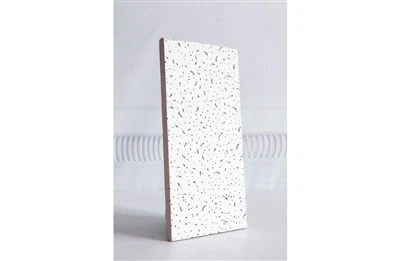
Square mineral fiber ceiling tiles are a popular choice in the construction and interior design industries. They are made from a combination of mineral wool, binders, and other additives. These tiles offer several advantages, such as excellent acoustic performance, fire resistance, and aesthetic versatility. They come in a variety of sizes, textures, and colors, allowing designers and contractors to create unique ceiling designs that meet the specific needs of different spaces.
For example, our Dampproof Acoustic Mineral Fiber Ceiling Board is specially designed to resist moisture, making it suitable for areas with high humidity, such as bathrooms and kitchens. The acoustic properties of these tiles help to reduce noise levels, creating a more comfortable environment.
Different Types of Ceiling Grid Systems
There are several types of ceiling grid systems available in the market, each with its own characteristics and installation requirements. The most common ones include:
- Suspended Grid Systems: These are the most widely used ceiling grid systems. They consist of a network of main runners and cross - tees that are suspended from the building structure using wires or hangers. Suspended grid systems are versatile and can support a variety of ceiling tiles, including square mineral fiber tiles.
- Lay - in Grid Systems: In lay - in grid systems, the ceiling tiles are simply placed into the grid openings. This type of system is easy to install and allows for quick access to the space above the ceiling for maintenance and repairs.
- Clip - in Grid Systems: Clip - in grid systems use clips to secure the ceiling tiles to the grid. This provides a more secure installation, especially in areas where there may be vibrations or movement.
Compatibility Factors
When considering the compatibility of square mineral fiber ceiling tiles with different ceiling grid systems, several factors need to be taken into account:
Size and Dimensions
The size of the square mineral fiber ceiling tiles must match the grid openings of the ceiling grid system. Most standard square mineral fiber tiles come in sizes such as 24 inches by 24 inches or 24 inches by 48 inches. It is important to ensure that the grid system has the appropriate size openings to accommodate these tiles.
For instance, our Square Sand Mineral Fiber Board is available in standard sizes, making it compatible with most common ceiling grid systems. However, it is always recommended to check the specifications of both the tiles and the grid system before installation.
Weight Capacity
Ceiling grid systems have a maximum weight capacity that they can support. Square mineral fiber ceiling tiles are generally lightweight, but it is still important to ensure that the grid system can handle the weight of the tiles. Overloading the grid system can lead to sagging or even collapse of the ceiling.
Installation Method
The installation method of the ceiling grid system also affects compatibility. Some grid systems may require specific tools or techniques for tile installation. For example, clip - in grid systems require the use of clips to secure the tiles, while lay - in grid systems are more straightforward. It is important to choose a grid system that is compatible with the installation requirements of the square mineral fiber ceiling tiles.
Compatibility Testing
To ensure the compatibility of our square mineral fiber ceiling tiles with different ceiling grid systems, we conduct extensive compatibility testing. Our research and development team works closely with manufacturers of ceiling grid systems to test the fit, installation, and performance of our tiles.
We test the tiles under various conditions, including different humidity levels, temperature changes, and mechanical stress. This helps us to identify any potential issues and make necessary adjustments to ensure a perfect fit.
Real - World Applications
In real - world applications, square mineral fiber ceiling tiles are commonly used with different ceiling grid systems. For example, in office buildings, suspended grid systems are often used with square mineral fiber tiles to create a modern and professional look. The acoustic properties of the tiles help to reduce noise levels, improving the working environment.
In retail stores, lay - in grid systems are popular as they allow for easy installation and replacement of the ceiling tiles. This is important for stores that may need to change their ceiling design frequently to keep up with the latest trends.
Conclusion
In conclusion, square mineral fiber ceiling tiles are generally compatible with different ceiling grid systems, but it is crucial to consider the size, weight capacity, and installation method when making a selection. As a supplier of Mineral Fiber Ceiling Boards & Tiles, we are committed to providing high - quality products that are compatible with a wide range of ceiling grid systems.
If you are considering using square mineral fiber ceiling tiles for your next project, we encourage you to contact us for more information. Our team of experts can help you choose the right tiles and grid system for your specific needs. Whether you are a contractor, designer, or building owner, we are here to assist you in achieving a beautiful and functional ceiling installation.


References
- Building Construction Handbook, various editions
- Ceiling Industry Association Publications
- Technical documents from ceiling grid system manufacturers