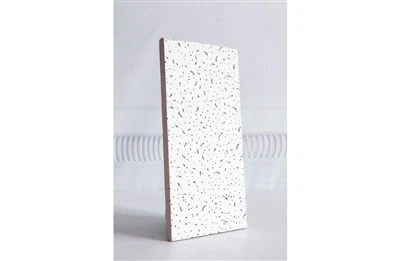
When it comes to installing square pinhole mineral fiber tiles, the sub - ceiling plays a crucial role. As a supplier of square pinhole mineral fiber tiles, I've encountered numerous inquiries regarding the special requirements for the sub - ceiling during the installation process. In this blog, I'll delve into these requirements to help you achieve a successful and long - lasting ceiling installation.
Structural Integrity
The first and foremost requirement for the sub - ceiling is structural integrity. The sub - ceiling must be able to support the weight of the square pinhole mineral fiber tiles. These tiles typically have a certain weight per square meter, and the sub - ceiling should be designed to handle this load without sagging or collapsing.
For light - duty applications, a simple wooden framework might suffice. However, for larger commercial spaces or areas with high - traffic or environmental stress, a more robust metal grid system is often recommended. Metal grid systems, such as those made of galvanized steel, offer better strength and durability. They can evenly distribute the weight of the tiles across the entire sub - ceiling structure. When installing the metal grid, it's essential to ensure that the joints are properly connected and tightened. Loose joints can lead to instability, which may cause the tiles to shift or fall over time.
Levelness
Another critical requirement is the levelness of the sub - ceiling. Square pinhole mineral fiber tiles are designed to fit together precisely, creating a seamless and aesthetically pleasing ceiling surface. If the sub - ceiling is not level, the tiles may not fit properly, resulting in visible gaps or unevenness.
Before installing the tiles, it's necessary to check the levelness of the sub - ceiling using a spirit level. Any high or low spots should be adjusted. For a wooden sub - ceiling, shims can be used to level out uneven areas. In the case of a metal grid system, the height of the grid can be adjusted by tightening or loosening the suspension wires. A level sub - ceiling not only enhances the appearance of the installed tiles but also helps to prevent premature wear and tear, as the tiles will be evenly supported.


Cleanliness
The sub - ceiling must be clean before the installation of square pinhole mineral fiber tiles. Dust, debris, and other contaminants on the sub - ceiling can prevent the tiles from adhering properly or cause scratches on the tile surface.
To clean the sub - ceiling, start by removing any loose debris using a vacuum cleaner or a broom. Then, wipe the surface with a damp cloth to remove any remaining dirt or dust. For a metal grid system, it's also important to check for rust or corrosion. If rust is present, it should be removed using a wire brush and treated with a rust - inhibiting primer to prevent further corrosion. A clean sub - ceiling provides a better surface for the tiles to be installed on, ensuring a more secure and long - lasting installation.
Ventilation
Proper ventilation is an often - overlooked requirement for the sub - ceiling when installing square pinhole mineral fiber tiles. Mineral fiber tiles have certain moisture - absorbing properties. If there is poor ventilation in the space above the sub - ceiling, moisture can accumulate, leading to mold growth and deterioration of the tiles.
The sub - ceiling should be designed to allow for adequate air circulation. This can be achieved by installing ventilation ducts or vents in the ceiling structure. In some cases, natural ventilation through open windows or vents in the building envelope can also help to maintain a dry environment above the sub - ceiling. Good ventilation not only protects the tiles but also contributes to the overall indoor air quality of the space.
Compatibility
The sub - ceiling should be compatible with the square pinhole mineral fiber tiles. Different types of tiles may require different sub - ceiling systems. For example, some tiles are designed to be directly glued to a flat sub - ceiling surface, while others are meant to be installed in a suspended grid system.
When choosing a sub - ceiling system, it's important to refer to the manufacturer's installation instructions for the square pinhole mineral fiber tiles. The instructions will provide detailed information on the recommended sub - ceiling type, installation methods, and any specific requirements. Using an incompatible sub - ceiling can lead to installation difficulties and may void the warranty of the tiles.
Fire Resistance
In many commercial and public buildings, fire resistance is a significant consideration. The sub - ceiling should have an appropriate fire - rating to meet the building's safety requirements. Square pinhole mineral fiber tiles are often chosen for their fire - resistant properties, but the sub - ceiling also needs to contribute to the overall fire - safety of the ceiling assembly.
Metal grid systems are generally more fire - resistant than wooden frameworks. However, if a wooden sub - ceiling is used, it should be treated with a fire - retardant coating. Additionally, the installation of the sub - ceiling should comply with local fire codes. For example, there may be requirements for the spacing of fire - rated insulation materials above the sub - ceiling.
Moisture Resistance
Moisture can be a major enemy of square pinhole mineral fiber tiles. If the sub - ceiling is exposed to high levels of moisture, it can cause the tiles to warp, discolor, or even disintegrate. Therefore, the sub - ceiling should have good moisture - resistance properties.
In areas with high humidity, such as bathrooms or kitchens, a moisture - resistant sub - ceiling material should be used. For a metal grid system, a galvanized or stainless - steel grid is a good choice as it is less prone to rusting in a moist environment. For a wooden sub - ceiling, a moisture - resistant paint or sealant can be applied to protect it from moisture damage.
Accessibility
Accessibility to the space above the sub - ceiling is also an important requirement. There may be a need to access the area for maintenance, repairs, or the installation of additional equipment such as lighting fixtures or ventilation ducts.
The sub - ceiling should be designed in such a way that it allows for easy access. For example, some suspended grid systems have removable panels that can be easily lifted to gain access to the space above. In a wooden sub - ceiling, access hatches can be installed at strategic locations.
In conclusion, there are several special requirements for the sub - ceiling when installing square pinhole mineral fiber tiles. Ensuring structural integrity, levelness, cleanliness, ventilation, compatibility, fire resistance, moisture resistance, and accessibility is essential for a successful installation. If you have any further questions about the installation of square pinhole mineral fiber tiles or the requirements for the sub - ceiling, feel free to contact us for more information. We offer a wide range of Square Pinhole Mineral Fiber Board, Tegular Pinhole Mineral Fiber Board, and Mineral Fiber Wool Ceiling Tiles. Our team of experts is always ready to assist you in making the right choices for your ceiling project. Whether you're a contractor, an architect, or a building owner, we look forward to discussing your specific needs and helping you achieve the perfect ceiling solution.
References
- Building Construction Handbook, various editions, McGraw - Hill
- Mineral Fiber Ceiling Tile Installation Guide, industry - specific publications
- Local Building Codes and Regulations, relevant authorities