Are there any special storage requirements for acoustic mineral fiber board?
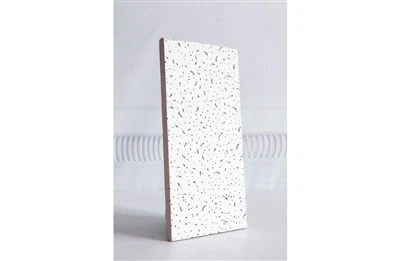
As a supplier of acoustic mineral fiber boards, I often get asked about the proper storage of these products. Acoustic mineral fiber boards are popular for their excellent sound - absorbing properties, fire resistance, and aesthetic appeal, making them a go - to choice for many construction and interior design projects. However, to maintain their quality and performance, it's crucial to store them correctly.
General Storage Conditions
Acoustic mineral fiber boards are sensitive to environmental conditions, primarily moisture and temperature. These factors can significantly impact the boards' physical and acoustic properties.
Moisture
Moisture is the arch - enemy of acoustic mineral fiber boards. Mineral fiber boards are porous, which means they can absorb water easily. When the boards absorb moisture, they can become soft, lose their shape, and develop mold or mildew. This not only affects the appearance of the boards but also reduces their acoustic performance.
To prevent moisture damage, the storage area should be dry. The relative humidity should be kept below 60%. If possible, use a dehumidifier in the storage space, especially in areas with high humidity levels. The boards should be stored off the ground on pallets or racks to avoid direct contact with any moisture on the floor. Additionally, it's essential to ensure that the storage area is well - sealed to prevent rain or snow from entering.
Temperature
Temperature fluctuations can also have an impact on acoustic mineral fiber boards. Extreme heat can cause the boards to dry out and become brittle, while extreme cold can make them more prone to cracking. The ideal storage temperature for acoustic mineral fiber boards is between 10°C and 30°C.
It's important to avoid storing the boards in areas that are exposed to direct sunlight or near heat sources such as heaters or radiators. In cold climates, if the boards are stored outdoors, they should be properly insulated to protect them from freezing temperatures.
Stacking and Handling
Proper stacking and handling of acoustic mineral fiber boards are also crucial for maintaining their quality.
Stacking
When stacking the boards, it's important to ensure that the stacks are stable and level. Uneven stacking can cause the boards to warp or break. The maximum stack height should be limited to prevent excessive pressure on the bottom boards. A general rule of thumb is to limit the stack height to around 1.5 - 2 meters, depending on the size and thickness of the boards.
It's also advisable to stack the boards in a way that allows for good air circulation. This helps to prevent the build - up of moisture within the stack. For example, leaving small gaps between the rows of boards can improve air flow.
Handling
During handling, care should be taken to avoid dropping or banging the boards. Even a small impact can cause damage to the surface of the boards, which can affect their aesthetic and acoustic performance. When moving the boards, use appropriate handling equipment such as forklifts or pallet jacks. Workers should be trained on the proper handling techniques to minimize the risk of damage.
Packaging
The packaging of acoustic mineral fiber boards plays an important role in protecting them during storage. Most acoustic mineral fiber boards are packaged in cardboard boxes or plastic wraps. These packages are designed to provide some protection against moisture, dust, and physical damage.


It's important to keep the boards in their original packaging until they are ready to be installed. If the packaging is damaged, it should be replaced or repaired to ensure continued protection. Additionally, labels on the packaging can provide important information about the boards, such as their size, type, and installation instructions, so it's important to keep the labels intact.
Specific Considerations for Different Types of Acoustic Mineral Fiber Boards
There are different types of acoustic mineral fiber boards available in the market, such as the Square Fine Fissure Mineral Fiber Board and the Tegular Pinhole Mineral Fiber Board. Each type may have specific storage requirements.
Square Fine Fissure Mineral Fiber Board
This type of board often has a more delicate surface finish due to its fine fissure design. When storing, extra care should be taken to prevent scratching or denting of the surface. The boards should be stacked in a way that the surface is protected from contact with other objects. If possible, use protective padding between the layers of boards to prevent surface damage.
Tegular Pinhole Mineral Fiber Board
The tegular shape and pinhole design of this board can make it more prone to damage during storage. The tegular edges can be easily chipped if not handled carefully. Similar to the square fine fissure board, proper stacking and handling techniques are essential. Additionally, since the pinholes can collect dust and debris, it's important to keep the storage area clean to prevent contamination.
Conclusion
In conclusion, there are indeed special storage requirements for acoustic mineral fiber boards. By controlling moisture and temperature, following proper stacking and handling procedures, and maintaining the integrity of the packaging, the quality and performance of the boards can be preserved.
As a supplier of Mineral Fiber Ceiling Boards & Tiles, we are committed to providing high - quality products. We understand the importance of proper storage and can offer advice and guidance to our customers on how to store our acoustic mineral fiber boards correctly.
If you are interested in purchasing acoustic mineral fiber boards for your project, we invite you to contact us for more information and to discuss your specific requirements. Our team of experts is ready to assist you in finding the right products and ensuring a smooth procurement process.
References
- Building Materials Handbook: A comprehensive guide to the properties and storage of various building materials, including acoustic mineral fiber boards.
- Industry standards and guidelines for the storage and handling of acoustic materials.