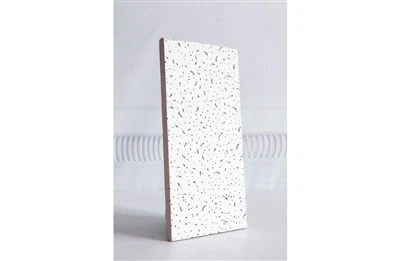
Can acoustic mineral fiber board be used in wet environments? This is a question that many customers often ask me as a supplier of acoustic mineral fiber boards. In this blog, I'll delve into the properties of acoustic mineral fiber boards, their performance in wet conditions, and provide insights to help you make informed decisions.
Understanding Acoustic Mineral Fiber Boards
Acoustic mineral fiber boards are popular building materials known for their excellent sound - absorbing capabilities. They are typically made from inorganic mineral fibers, such as slag wool or rock wool, which are bonded together using various binders. These boards come in a wide range of designs and patterns to meet different aesthetic and functional requirements. For example, we offer Square Sand Hole Mineral Fiber Board, Square Sand Mineral Fiber Board, and Tegular Pinhole Mineral Fiber Board, each with its own unique appearance and acoustic performance.
The main advantages of acoustic mineral fiber boards include their high sound absorption coefficient, which can effectively reduce noise levels in a space. They are also fire - resistant, which makes them a safe choice for many building applications. Additionally, they are relatively lightweight and easy to install, reducing labor costs and installation time.
The Impact of Moisture on Acoustic Mineral Fiber Boards
Moisture can have several negative impacts on acoustic mineral fiber boards. First of all, mineral fiber boards are porous materials. When exposed to high humidity or direct water contact, they can absorb moisture. Once the boards absorb water, their physical properties can change significantly.
One of the most obvious changes is the loss of structural integrity. The absorbed water can weaken the bond between the mineral fibers and the binder. As a result, the boards may become soft, sag, or even break apart. This not only affects the appearance of the boards but also their acoustic performance. A damaged board will not be able to absorb sound as effectively as a dry and intact one.
Moreover, moisture can promote the growth of mold and mildew on the surface of the acoustic mineral fiber boards. Mold and mildew not only look unappealing but can also pose health risks to the occupants of the building. They can release spores into the air, which may cause allergic reactions, respiratory problems, and other health issues.
In addition, the long - term exposure to moisture can lead to corrosion of any metal components that may be used in conjunction with the acoustic mineral fiber boards, such as hangers or fasteners. This can further compromise the stability of the installation.
Situations Where Acoustic Mineral Fiber Boards Can Be Used in Wet - Like Conditions
Although acoustic mineral fiber boards are generally not recommended for use in wet environments, there are some situations where they can be used with proper precautions.
Low - Humidity Wet Areas
In areas with relatively low humidity and occasional moisture exposure, such as some lightly - used bathrooms or laundry rooms, acoustic mineral fiber boards can be used if they are properly protected. For example, a high - quality waterproof coating can be applied to the surface of the boards. This coating acts as a barrier, preventing moisture from penetrating the boards. However, it's important to note that the waterproof coating needs to be regularly inspected and maintained to ensure its effectiveness.


Well - Ventilated Areas
In well - ventilated spaces, the risk of moisture accumulation is reduced. For instance, in some industrial workshops with good ventilation systems, acoustic mineral fiber boards can be installed. The continuous air circulation helps to keep the boards dry, even if there is a certain amount of moisture in the environment. But again, regular monitoring of the humidity levels in the area is necessary.
Situations to Avoid Using Acoustic Mineral Fiber Boards in Wet Environments
There are certain situations where using acoustic mineral fiber boards in wet conditions is a big no - no.
High - Humidity Areas
Areas with consistently high humidity, such as indoor swimming pools or steam rooms, are not suitable for acoustic mineral fiber boards. The high humidity in these areas means that the boards will be constantly exposed to moisture, and it's almost impossible to prevent water absorption and the subsequent damage.
Areas with Direct Water Contact
Places where the boards may come into direct contact with water, like near a leaking pipe or in an area prone to flooding, should be avoided. Even a short - term exposure to direct water can cause irreversible damage to the acoustic mineral fiber boards.
Alternative Materials for Wet Environments
If you need acoustic treatment in a wet environment, there are several alternative materials that you can consider.
Fiberglass Boards with Waterproof Treatment
Fiberglass boards can be treated with special waterproofing agents to make them suitable for wet conditions. They offer similar acoustic performance to acoustic mineral fiber boards and can withstand moisture better.
Plastic - Based Acoustic Panels
Plastic - based acoustic panels are non - porous and water - resistant. They are easy to clean and maintain, and they can provide good sound absorption in wet environments. However, they may not have the same fire - resistant properties as acoustic mineral fiber boards.
Conclusion
In general, acoustic mineral fiber boards are not ideal for use in wet environments due to their vulnerability to moisture. However, with proper protection and in specific low - risk situations, they can be used. As a supplier, I always recommend my customers to carefully assess the environment where the boards will be installed. If the area has a high risk of moisture exposure, it's better to choose alternative materials.
If you have any questions about acoustic mineral fiber boards or need advice on choosing the right acoustic materials for your project, feel free to contact me. I'm more than happy to have in - depth discussions with you and help you find the most suitable solution for your needs.
References
- Building Materials Handbook, McGraw - Hill
- Acoustics: Fundamentals and Applications, Springer