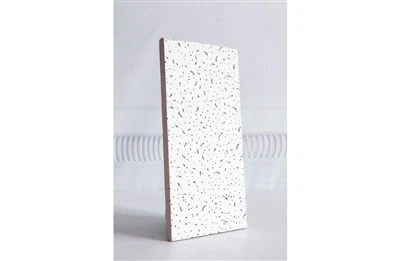
As a supplier of colored mineral fiber boards, I often encounter inquiries from customers about the recyclability of these products. This is a crucial topic not only from an environmental perspective but also for the long - term sustainability of our industry. In this blog, I will delve into the question: Can colored mineral fiber board be recycled?
What are Colored Mineral Fiber Boards?
Colored mineral fiber boards are a type of building material made primarily from mineral fibers, which are usually derived from natural minerals such as basalt or slag. These fibers are processed and combined with binders and additives to form a board. The coloring is added during the manufacturing process to meet different aesthetic requirements in construction projects.
There are various types of colored mineral fiber boards available in the market. For instance, the Dampproof Acoustic Mineral Fiber Ceiling Board is designed to provide both moisture resistance and sound - absorption properties. It is commonly used in areas where humidity and noise control are important, such as bathrooms and recording studios.
Another popular type is the Tegular Sand Mineral Fiber Board. Its unique tegular shape and sand - like finish give it an aesthetically pleasing appearance, making it a great choice for commercial spaces like offices and shopping malls.
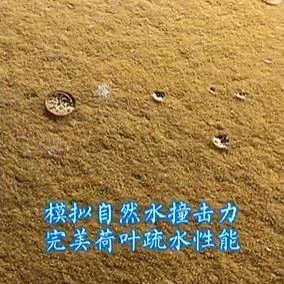

The Mineral Fiber Board, Mineral Wool Ceiling Tiles are well - known for their fire - resistance and thermal insulation capabilities. They are widely used in ceiling installations in both residential and commercial buildings.
The Recycling Process of Mineral Fiber Materials
The basic mineral fiber material has some potential for recycling. The first step in recycling mineral fiber boards is the collection. After the boards are removed from construction sites or buildings during renovation or demolition, they need to be sorted and transported to a recycling facility.
At the recycling facility, the boards are shredded into smaller pieces. This helps to break down the structure of the board and separate the mineral fibers from the binders and other additives. The shredded material is then treated to remove impurities such as dirt, dust, and non - fiber components.
Once the impurities are removed, the mineral fibers can be reused in the production of new mineral fiber products. They can be mixed with new raw materials to make new boards, insulation materials, or other related products. However, the recycling process is not without challenges.
Challenges in Recycling Colored Mineral Fiber Boards
One of the main challenges in recycling colored mineral fiber boards is the presence of colorants. The colorants used in these boards are often complex chemical compounds. These compounds may react differently during the recycling process compared to the basic mineral fibers. Some colorants may break down into harmful substances when exposed to high temperatures or chemical treatments during recycling. This can contaminate the recycled fibers and make them unsuitable for reuse in new products.
Another challenge is the binders. The binders used to hold the mineral fibers together in the board are also a problem. Different types of binders have different chemical properties, and some may not be easily separated from the mineral fibers during the recycling process. This can affect the quality of the recycled fibers and limit their use in new products.
In addition, the collection and transportation of colored mineral fiber boards can be difficult. These boards are often large and bulky, which makes them hard to handle and transport. Moreover, the lack of a well - established collection system for these boards in many regions further complicates the recycling process.
Current Recycling Initiatives and Solutions
Despite the challenges, there are some ongoing initiatives to improve the recyclability of colored mineral fiber boards. Some manufacturers are researching new types of colorants and binders that are more environmentally friendly and easier to recycle. For example, they are looking into natural - based colorants and biodegradable binders that can break down more easily during the recycling process.
There are also efforts to improve the collection and sorting systems. Some regions have started to establish special collection points for construction and demolition waste, including colored mineral fiber boards. This helps to streamline the recycling process and ensure that more boards are diverted from landfills.
Furthermore, technological advancements in recycling equipment are making it possible to more effectively separate the mineral fibers from the colorants and binders. New sorting and purification technologies are being developed to improve the quality of the recycled fibers.
Environmental Benefits of Recycling Colored Mineral Fiber Boards
If colored mineral fiber boards can be successfully recycled, there are significant environmental benefits. First of all, recycling reduces the demand for new raw materials. The extraction of natural minerals for the production of new boards can have a negative impact on the environment, such as deforestation, soil erosion, and water pollution. By recycling, we can conserve these natural resources and reduce the environmental footprint of the construction industry.
Secondly, recycling colored mineral fiber boards reduces waste sent to landfills. Landfills are a major source of environmental pollution, as they can release greenhouse gases such as methane and leach harmful chemicals into the soil and groundwater. By diverting these boards from landfills, we can reduce the environmental impact of waste disposal.
Finally, recycling can also save energy. The production of new mineral fiber boards from raw materials requires a large amount of energy. Recycling the existing boards consumes less energy, as the basic mineral fibers are already processed and only need to be re - used.
Conclusion
In conclusion, while there are challenges in recycling colored mineral fiber boards, it is indeed possible with the right technologies and initiatives. As a supplier, I am committed to promoting the development of more sustainable and recyclable colored mineral fiber boards. We are constantly exploring new ways to improve the recycling process and reduce the environmental impact of our products.
If you are interested in our colored mineral fiber boards or have any questions about their recyclability, please feel free to contact us for more information. We are more than happy to discuss your specific needs and provide you with the best solutions for your construction projects.
References
- "Mineral Fiber Insulation: Production, Properties, and Applications" - A research paper on the properties and production processes of mineral fiber materials.
- "Recycling of Construction and Demolition Waste" - A report on the current state of recycling initiatives for construction materials.
- Industry reports from leading construction material associations on the challenges and opportunities in recycling colored mineral fiber boards.