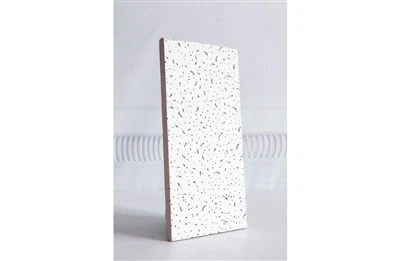
As a supplier of pinhole mineral fiber boards, I'm often asked whether these boards can be used in basements. This is a crucial question, considering the unique environmental conditions of basements. In this blog, I'll delve into the properties of pinhole mineral fiber boards and analyze their suitability for basement applications.
Properties of Pinhole Mineral Fiber Boards
Pinhole mineral fiber boards are made from mineral fibers, which are typically derived from natural minerals such as rock wool or slag wool. These boards are known for several key properties that make them a popular choice in various construction projects.


One of the primary advantages of pinhole mineral fiber boards is their excellent acoustic performance. The pinholes on the surface of the boards help to absorb sound waves, reducing echo and noise levels in a room. This is particularly beneficial in basements, which are often used as entertainment areas, home offices, or even bedrooms. By installing pinhole mineral fiber boards, you can create a more comfortable and quiet environment in your basement.
In addition to their acoustic properties, pinhole mineral fiber boards also offer good thermal insulation. Mineral fibers have a high resistance to heat transfer, which means they can help to keep your basement warm in the winter and cool in the summer. This can lead to significant energy savings over time, as you'll rely less on heating and cooling systems to maintain a comfortable temperature in your basement.
Another important property of pinhole mineral fiber boards is their fire resistance. Mineral fibers are non - combustible, which means they can help to prevent the spread of fire in case of an emergency. This is an essential safety feature, especially in areas like basements where there may be electrical wiring, appliances, and other potential fire hazards.
Challenges in Basements
However, basements present some unique challenges that need to be considered when using pinhole mineral fiber boards. The most significant challenge is the high humidity levels that are often found in basements. Basements are typically below ground level, which means they are more prone to moisture infiltration from the soil. High humidity can lead to a variety of problems, including mold growth, mildew, and damage to building materials.
Mold and mildew can not only damage the pinhole mineral fiber boards but also pose a health risk to the occupants of the building. Exposure to mold spores can cause respiratory problems, allergies, and other health issues. Therefore, it's crucial to ensure that the humidity levels in the basement are properly controlled before installing pinhole mineral fiber boards.
Another challenge in basements is the potential for water leakage. Basements may experience water seepage through cracks in the foundation walls or floors, especially during heavy rainfall or flooding. If water comes into contact with the pinhole mineral fiber boards, it can cause them to become saturated, lose their structural integrity, and develop mold and mildew.
Solutions for Using Pinhole Mineral Fiber Boards in Basements
Despite these challenges, pinhole mineral fiber boards can still be used in basements with the right precautions. The first step is to address the humidity and water leakage issues. This can be achieved through proper waterproofing and moisture control measures.
For waterproofing, you can apply a waterproof coating to the basement walls and floors. This will help to prevent water from seeping into the basement and keep the humidity levels in check. Additionally, installing a dehumidifier in the basement can help to remove excess moisture from the air. A dehumidifier can be set to maintain a specific humidity level, typically between 30% and 50%, which is ideal for preventing mold growth and protecting the pinhole mineral fiber boards.
When installing pinhole mineral fiber boards in the basement, it's also important to ensure proper ventilation. Good ventilation helps to circulate fresh air in the basement, reducing humidity levels and preventing the buildup of stale air. You can install exhaust fans or vents to improve air circulation in the basement.
It's also advisable to choose pinhole mineral fiber boards that are specifically designed for high - humidity environments. Some manufacturers offer boards with enhanced moisture resistance, which can better withstand the challenges of basements. These boards may have a special coating or treatment that helps to repel water and prevent mold growth.
Applications of Pinhole Mineral Fiber Boards in Basements
Once the humidity and water issues are addressed, pinhole mineral fiber boards can be used in various applications in the basement. They can be installed on the ceiling to improve the acoustic and thermal performance of the space. For example, if you're using the basement as a home theater, the pinhole mineral fiber boards can help to create a more immersive audio experience by reducing echo and background noise.
Pinhole mineral fiber boards can also be used on the walls of the basement. They can add an aesthetically pleasing finish to the walls while providing insulation and fire resistance. You can choose from a variety of colors and textures to match the style of your basement.
Related Products
If you're interested in other products related to pinhole mineral fiber boards, I'd like to introduce some of our offerings. You can check out our Mineral Fiber Board, Mineral Wool Ceiling Tiles, which offer similar benefits in terms of acoustic and thermal performance. Our Embossed PVC Film For Gypsum Tile can be used in combination with mineral fiber boards to enhance the aesthetic appeal of your basement. And for more options on ceiling solutions, you can explore our Mineral Fiber Ceiling Board.
Conclusion
In conclusion, pinhole mineral fiber boards can be used in basements, but it's essential to take the necessary precautions to address the high humidity and water leakage issues. With proper waterproofing, moisture control, and ventilation, these boards can provide excellent acoustic, thermal, and fire - resistant properties in your basement. If you're considering using pinhole mineral fiber boards in your basement or have any questions about our products, please don't hesitate to contact us for a detailed discussion. We're here to help you make the right choice for your basement project.
References
- Building Science Corporation. "Basement Moisture Problems and Solutions."
- National Association of Home Builders. "Moisture Control in Basements."
- Mineral Wool Association. "Properties and Applications of Mineral Fiber Boards."