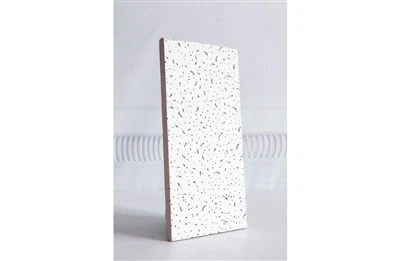
Can sand mineral fiber tiles be used in kitchens? This is a question that many homeowners and interior designers often ask. As a supplier of sand mineral fiber tiles, I'm here to provide you with a comprehensive answer based on scientific facts and practical experience.

Understanding Sand Mineral Fiber Tiles
Sand mineral fiber tiles are made from a combination of natural minerals, such as sand, along with other fibers and binders. These tiles are known for their excellent acoustic properties, fire resistance, and cost - effectiveness. They are commonly used in commercial and residential buildings for ceiling applications.
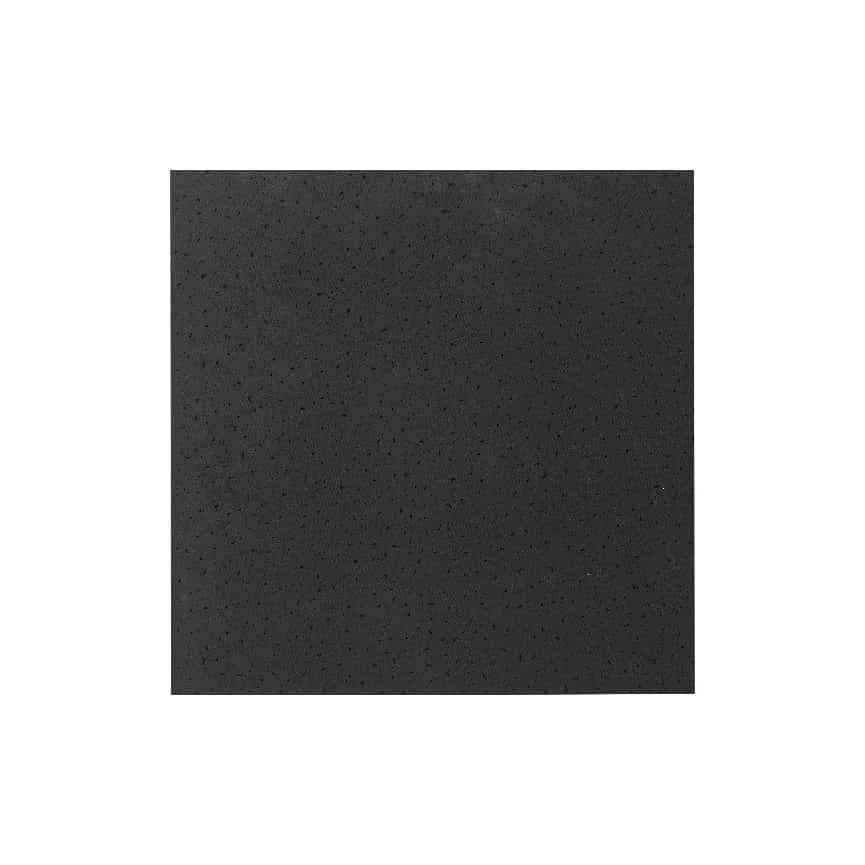
The manufacturing process involves mixing the raw materials, forming them into tiles, and then subjecting them to a curing process. This results in a durable and stable product that can be easily installed. There are different types of sand mineral fiber tiles available in the market, such as the Square Colors Mineral Fiber Board and Square Pinhole Mineral Fiber Board, which offer a variety of aesthetic options.
Considerations for Kitchen Use
Advantages
- Acoustic Performance
Kitchens can be noisy places, especially when using appliances like blenders, dishwashers, and exhaust fans. Sand mineral fiber tiles have good sound - absorbing properties. They can help to reduce the reverberation time in the kitchen, making it a more comfortable environment. For example, in a large open - plan kitchen, the tiles can prevent the sound from bouncing off the hard surfaces and create a more peaceful atmosphere. - Fire Resistance
Kitchens are prone to fire hazards due to the use of stoves, ovens, and other cooking equipment. Sand mineral fiber tiles are inherently fire - resistant. They have a high melting point and do not easily catch fire. In case of a small fire in the kitchen, these tiles can act as a barrier, preventing the fire from spreading quickly to the ceiling and potentially reducing the damage. - Cost - Effectiveness
Compared to some other ceiling materials like high - end wood or metal panels, sand mineral fiber tiles are relatively inexpensive. This makes them an attractive option for homeowners on a budget. You can achieve a decent - looking ceiling in the kitchen without spending a fortune.
Disadvantages
- Moisture Sensitivity
One of the major drawbacks of using sand mineral fiber tiles in the kitchen is their sensitivity to moisture. Kitchens are humid environments, especially when cooking involves boiling water, steaming vegetables, or using a dishwasher. Prolonged exposure to high humidity can cause the tiles to absorb moisture, leading to swelling, warping, and even mold growth. If the tiles get wet, their structural integrity can be compromised, and they may start to fall apart. - Cleaning Difficulties
Kitchens require regular cleaning to maintain hygiene. Sand mineral fiber tiles can be difficult to clean. Grease, oil, and food particles can stick to the surface of the tiles, and it may be challenging to remove them completely. Harsh cleaning agents may also damage the tiles, so finding the right cleaning method can be a problem. - Aesthetic Limitations
While there are some aesthetic options available, sand mineral fiber tiles may not offer the same high - end look as other materials. In a modern, stylish kitchen, the tiles may look a bit plain and may not match the overall design concept.
Mitigating the Disadvantages
If you still want to use sand mineral fiber tiles in your kitchen, there are some ways to mitigate the disadvantages.
- Proper Ventilation
Install a powerful exhaust fan in the kitchen to remove moisture and steam from the air. Make sure the fan is properly sized for the kitchen area and is vented to the outside. This can significantly reduce the humidity levels in the kitchen and prevent the tiles from absorbing too much moisture. - Sealing the Tiles
Applying a moisture - resistant sealant to the sand mineral fiber tiles can help to protect them from moisture. There are special sealants available in the market that are designed for this purpose. However, it's important to note that the sealant may need to be reapplied periodically to maintain its effectiveness. - Regular Maintenance
Develop a regular cleaning and maintenance schedule for the tiles. Use a soft brush or a vacuum cleaner with a soft brush attachment to remove dust and debris. For stubborn stains, use a mild, non - abrasive cleaning solution.
Case Studies
There have been some successful and not - so - successful cases of using sand mineral fiber tiles in kitchens.
- Successful Case
In a small, well - ventilated kitchen in a suburban home, the homeowner installed sand mineral fiber tiles. They made sure to seal the tiles before installation and had a high - quality exhaust fan. After several years of use, the tiles still looked in good condition. The acoustic performance was also satisfactory, reducing the noise from the dishwasher and other appliances. - Unsuccessful Case
In a large commercial kitchen, sand mineral fiber tiles were installed without proper ventilation. Within a few months, the tiles started to show signs of moisture damage. They were warped, and mold started to grow on the surface. The management had to replace the tiles, which was a costly and time - consuming process.
Conclusion
So, can sand mineral fiber tiles be used in kitchens? The answer is yes, but with caution. If you take the necessary precautions to address the moisture and cleaning issues, sand mineral fiber tiles can be a viable option for your kitchen ceiling. They offer some advantages such as acoustic performance, fire resistance, and cost - effectiveness. However, you need to be aware of the limitations and be prepared to invest in proper maintenance.
If you are interested in our Mineral Fiber Ceiling Boards & Tiles for your kitchen or other projects, we would be happy to discuss your specific requirements. Our team of experts can provide you with more detailed information and help you make an informed decision. Contact us to start the procurement negotiation process and find the best solution for your needs.
References
- "Building Materials Handbook" by John R. Wilson
- "Kitchen Design and Planning" by Mary G. Smith
- Industry research reports on sand mineral fiber tile properties and applications.