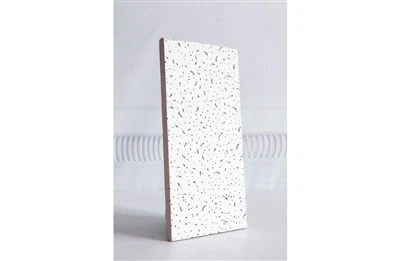
Regular sand mineral fiber board, a popular choice in the construction and interior design industries, offers a unique combination of aesthetics and functionality. As a supplier of Tegular Sand Mineral Fiber Board, I often receive inquiries about whether this type of board can be painted. In this blog post, I will delve into the details of painting regular sand mineral fiber board, exploring the feasibility, process, and considerations.
Feasibility of Painting Regular Sand Mineral Fiber Board
The short answer is yes, regular sand mineral fiber board can be painted. This board is made from a combination of mineral fibers, sand, and binders, which provides a relatively stable surface for paint adhesion. However, there are several factors to consider before embarking on a painting project.
Firstly, the surface texture of the board plays a crucial role. Tegular Sand Mineral Fiber Board typically has a textured surface, which can affect the final appearance of the paint job. The texture can either enhance the aesthetic appeal by adding depth and character or create challenges in achieving a smooth finish. It is important to choose the right type of paint and application method to ensure optimal results.
Secondly, the porosity of the board can impact paint absorption. Mineral fiber boards are generally porous, which means they can absorb paint quickly. This can lead to uneven coverage and a higher consumption of paint. To address this issue, it is recommended to prime the board before painting to seal the pores and promote better paint adhesion.


Preparing the Board for Painting
Before painting the Tegular Sand Mineral Fiber Board, proper preparation is essential to ensure a long-lasting and professional-looking finish. Here are the steps to follow:
- Clean the Surface: Start by cleaning the board thoroughly to remove any dust, dirt, or debris. Use a soft brush or a vacuum cleaner to remove loose particles, and then wipe the surface with a damp cloth. Allow the board to dry completely before proceeding.
- Repair Any Damages: Inspect the board for any cracks, holes, or other damages. Fill in the cracks and holes with a suitable filler and sand the repaired areas smooth. This will ensure a uniform surface for painting.
- Sand the Surface: Lightly sand the surface of the board to create a rough texture that will help the paint adhere better. Use a fine-grit sandpaper and sand in the direction of the grain. Wipe away the sanding dust with a clean cloth.
- Prime the Board: Apply a coat of primer to the board using a brush or a roller. The primer will seal the pores of the board, prevent paint absorption, and provide a better base for the paint. Allow the primer to dry according to the manufacturer's instructions.
Choosing the Right Paint
Selecting the appropriate paint is crucial for achieving the desired results. Here are some factors to consider when choosing paint for Tegular Sand Mineral Fiber Board:
- Type of Paint: There are several types of paint available, including latex, oil-based, and enamel. Latex paint is a popular choice for interior applications because it is easy to clean, dries quickly, and has low VOC emissions. Oil-based paint provides a durable and glossy finish, but it takes longer to dry and has higher VOC emissions. Enamel paint is a hard and durable paint that is suitable for high-traffic areas.
- Finish: The finish of the paint can affect the appearance and durability of the painted surface. Common finishes include flat, eggshell, satin, semi-gloss, and high-gloss. Flat finish provides a matte look and is ideal for hiding surface imperfections. Eggshell and satin finishes have a slight sheen and are more durable than flat finish. Semi-gloss and high-gloss finishes are shiny and easy to clean, but they can also highlight surface imperfections.
- Color: Choose a color that complements the overall design scheme of the space. Consider the lighting conditions in the room and how the color will look in different lighting. It is also a good idea to test the paint color on a small area of the board before applying it to the entire surface.
Painting the Board
Once the board is prepared and the paint is selected, it is time to start painting. Here are the steps to follow:
- Stir the Paint: Thoroughly stir the paint to ensure a uniform color and consistency. Use a paint stirrer or a drill with a mixing attachment.
- Apply the First Coat: Start by applying a thin coat of paint to the board using a brush or a roller. Work in small sections and apply the paint in smooth, even strokes. Avoid over-brushing or over-rolling, as this can cause the paint to drip or run.
- Allow the First Coat to Dry: Allow the first coat of paint to dry according to the manufacturer's instructions. This can take anywhere from a few hours to a full day, depending on the type of paint and the environmental conditions.
- Sand the Surface: After the first coat of paint has dried, lightly sand the surface of the board with a fine-grit sandpaper. This will smooth out any bumps or imperfections and create a better surface for the second coat of paint. Wipe away the sanding dust with a clean cloth.
- Apply the Second Coat: Apply a second coat of paint to the board using the same method as the first coat. Make sure to apply the paint evenly and cover any areas that were missed in the first coat.
- Allow the Second Coat to Dry: Allow the second coat of paint to dry completely before using the painted surface. This can take several hours to a full day, depending on the type of paint and the environmental conditions.
Considerations and Tips
Here are some additional considerations and tips to keep in mind when painting Tegular Sand Mineral Fiber Board:
- Ventilation: Ensure proper ventilation in the area where you are painting to prevent the buildup of paint fumes. Open windows and doors or use a fan to circulate the air.
- Temperature and Humidity: Paint performs best in moderate temperature and humidity conditions. Avoid painting in extreme heat or cold, as this can affect the drying time and the quality of the paint job.
- Multiple Coats: Depending on the color and the desired finish, you may need to apply multiple coats of paint to achieve full coverage. Allow each coat to dry completely before applying the next one.
- Paintbrushes and Rollers: Use high-quality paintbrushes and rollers to ensure a smooth and even application of paint. Choose brushes and rollers that are suitable for the type of paint you are using.
- Cleaning Up: Clean your paintbrushes and rollers immediately after use to prevent the paint from drying and hardening. Use warm, soapy water to clean the brushes and rollers, and then rinse them thoroughly.
Conclusion
In conclusion, regular sand mineral fiber board can be painted to enhance its appearance and customize it to suit your design needs. By following the proper preparation, choosing the right paint, and applying it correctly, you can achieve a professional-looking finish that will last for years. If you have any questions or need further assistance with painting Tegular Sand Mineral Fiber Board, please feel free to contact us. We are a leading supplier of Tegular Sand Mineral Fiber Board, Square Pinhole Mineral Fiber Board, and Tegular Pinhole Mineral Fiber Board, and we are committed to providing high-quality products and excellent customer service.
References
- "Painting Mineral Fiber Ceiling Tiles." Ceiling Tile Warehouse. Accessed [Date].
- "How to Paint Mineral Fiber Board." Home Guides. SF Gate. Accessed [Date].
- "Choosing the Right Paint for Your Project." Sherwin-Williams. Accessed [Date].