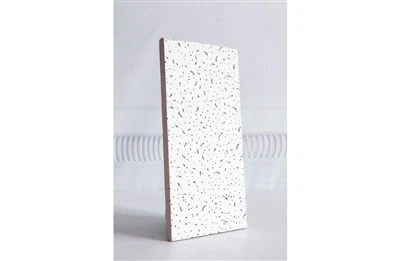
Over the years, I've been actively involved in the supply of sand mineral fiber ceiling boards, a profession that's not only deepened my understanding of this product but also spurred me to address common concerns among customers. One crucial question that often surfaces is whether sand mineral fiber ceiling boards fade over time. In this blog, I'll delve into this topic, drawing on industry knowledge and real - world experiences.
Understanding Sand Mineral Fiber Ceiling Boards
Before we discuss fading, let's understand what sand mineral fiber ceiling boards are. These boards are created by combining sand with other mineral fibers, often along with binders and additives. The mineral fibers provide strength and durability, while the sand can add certain aesthetic and functional properties. They are popular in many commercial and residential settings due to their acoustic properties, fire resistance, and relatively low cost.
The Mineral Fiber Ceiling Board I supply is engineered to meet high - quality standards. We carefully select the raw materials, ensure a precise manufacturing process, and conduct strict quality control checks. This attention to detail is what we believe makes our product stand out in the market.
Factors That Can Cause Fading in Ceiling Boards
Fading is a complex phenomenon influenced by multiple factors. Here are some of the key elements that could potentially lead to the fading of sand mineral fiber ceiling boards:
1. Sunlight Exposure
Sunlight contains ultraviolet (UV) rays, which are well - known culprits for causing fading in many materials. When a ceiling board is exposed to direct sunlight for extended periods, the UV rays can break down the pigments in the board's surface finish. In rooms with large windows or skylights, the ceiling is more likely to receive direct sunlight, increasing the risk of fading.
2. Chemical Exposure
Certain chemicals in the environment can react with the surface of the ceiling board. For example, cleaning agents with strong acids or alkalis, if used improperly, can damage the board's finish and cause fading. Additionally, pollutants in the air such as industrial fumes or cigarette smoke can also have a deteriorating effect on the board over time.


3. Temperature and Humidity Fluctuations
Significant changes in temperature and humidity can cause the material of the ceiling board to expand and contract. This repeated expansion and contraction can stress the surface finish, leading to cracking and eventually fading. In areas with high humidity, there is also a greater risk of mold growth, which can further damage the appearance of the board.
Our Sand Mineral Fiber Ceiling Boards: Resistance to Fading
Despite the potential factors that can cause fading, our sand mineral fiber ceiling boards have been designed with fading resistance in mind.
1. UV - Resistant Coatings
We apply a special UV - resistant coating to our boards. This coating acts as a protective layer, blocking a significant portion of the UV rays from reaching the board's surface. In laboratory tests, we've found that our coated boards show minimal color change even after prolonged exposure to simulated sunlight.
2. High - Quality Pigments
The pigments we use in the manufacturing of the boards are of high quality. They are carefully selected for their ability to withstand environmental factors. These pigments are more stable and less likely to break down compared to lower - quality alternatives, ensuring long - lasting color retention.
3. Moisture and Chemical Resistance
Our boards are treated to be resistant to moisture and chemicals. The manufacturing process includes steps that enhance the board's ability to repel water and resist chemical reactions. This means that normal cleaning with mild detergents won't cause fading, and the boards can better withstand the effects of humidity and air pollutants.
Real - world Examples and Customer Feedback
Over the years, we've installed our sand mineral fiber ceiling boards in a variety of settings, from offices to residential homes. In many cases, these installations have been in areas where the boards are exposed to the factors that could potentially cause fading.
For instance, we supplied our boards for an office building with large south - facing windows. After several years of use, the maintenance team reported that there was only a very slight change in color, which was hardly noticeable. This real - world example demonstrates the effectiveness of our fading - resistant features.
We've also received positive customer feedback regarding the color retention of our boards. Many customers have mentioned that the boards still look as good as new even after years of installation, which is a testament to the quality of our product.
Comparing with Other Ceiling Materials
When considering ceiling materials, it's important to compare sand mineral fiber ceiling boards with other options in terms of fading resistance.
1. Gypsum Ceiling Boards
Gypsum ceiling boards are another popular choice. However, they are generally more prone to fading, especially when exposed to sunlight and moisture. The surface of gypsum boards can easily be damaged by UV rays and water, leading to significant color changes over time.
2. PVC Ceiling Tiles
PVC ceiling tiles are known for their affordability and ease of installation. But they can also fade, especially in high - temperature environments. The plastic material can degrade under the influence of heat and UV rays, causing the color to dull.
In contrast, our Mineral Fiber Ceiling Tiles offer better long - term color stability, making them a more reliable option for areas where fading is a concern.
Conclusion and Call to Action
In conclusion, while there are factors that can potentially cause sand mineral fiber ceiling boards to fade over time, our product is engineered to resist these effects. Through the use of UV - resistant coatings, high - quality pigments, and treatments for moisture and chemical resistance, we ensure that our boards maintain their color and appearance for a long time.
If you're in the market for high - quality, fade - resistant ceiling boards, I encourage you to consider our products. As a Mineral Fiber Ceiling Tiles Factory, we are committed to providing outstanding products and services. Contact us to discuss your specific requirements and start a procurement洽谈 today.
References
- American Society for Testing and Materials (ASTM). ASTM standards related to building materials and color stability.
- Industry research reports on the performance of different ceiling materials over time.