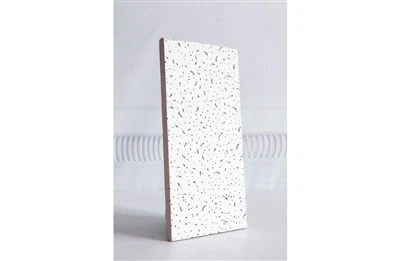
How do I measure for dune mineral fiber ceiling tiles?
When it comes to installing dune mineral fiber ceiling tiles, accurate measurement is the first and crucial step. As a supplier of high - quality dune mineral fiber ceiling tiles, I understand the importance of getting these measurements right to ensure a seamless installation process and a perfect finish for your ceiling.
Understanding the Basics of Measurement
Before you start taking measurements, it's essential to understand the different types of dune mineral fiber ceiling tiles available. We offer a variety of options such as Square Colors Mineral Fiber Board, Tegular Sand Hole Mineral Fiber Board, and Tegular Pinhole Mineral Fiber Board. Each type may have specific installation requirements that can influence the measurement process.
Measuring the Ceiling Area
The first step in measuring for dune mineral fiber ceiling tiles is to calculate the total area of the ceiling. To do this, you'll need a measuring tape, a pencil, and a piece of paper to record your measurements.
- Measure the Length and Width: Measure the length and width of the ceiling in feet or meters. For rectangular or square rooms, this is a straightforward process. Simply extend the measuring tape from one end of the ceiling to the other for the length and then repeat for the width. Make sure the tape is straight and level to get an accurate measurement.
- Calculate the Area: Once you have the length and width measurements, multiply them together to get the total area of the ceiling. For example, if the length of the ceiling is 12 feet and the width is 10 feet, the area would be 12 x 10 = 120 square feet.
If your room has an irregular shape, you may need to divide the ceiling into smaller, regular shapes (such as rectangles and triangles), measure each section separately, and then add up the areas of all the sections to get the total ceiling area.
Accounting for Waste
When ordering dune mineral fiber ceiling tiles, it's important to account for waste. Waste can occur due to cutting tiles to fit around corners, vents, light fixtures, and other obstacles on the ceiling. As a general rule, it's recommended to add an extra 10% - 15% to the total ceiling area to account for waste.
For example, if your calculated ceiling area is 120 square feet, adding 10% for waste would mean you need to order enough tiles to cover 120 + (120 x 0.1) = 132 square feet.
Measuring for Cutouts
In addition to measuring the overall ceiling area, you'll also need to measure for any cutouts or openings on the ceiling. These can include vents, light fixtures, fans, and skylights.
- Measure the Dimensions of the Cutout: Use the measuring tape to measure the length and width of each cutout. Record these measurements on your paper.
- Calculate the Area of the Cutout: Multiply the length and width of the cutout to get its area. Subtract the total area of all the cutouts from the total ceiling area to determine the actual area that will be covered by the ceiling tiles.
Measuring for Ceiling Grid
Dune mineral fiber ceiling tiles are typically installed on a ceiling grid system. The grid provides support for the tiles and helps to create a uniform and professional look.
- Measure the Grid Spacing: Measure the distance between the main beams (also known as runners) of the ceiling grid. This is usually 2 feet or 4 feet, but it can vary depending on the specific grid system you're using.
- Determine the Tile Size: Dune mineral fiber ceiling tiles come in a variety of sizes, but the most common sizes are 2 x 2 feet and 2 x 4 feet. Make sure the tile size you choose is compatible with the grid spacing.
Special Considerations
- Ceiling Height: If your ceiling has a high or sloped ceiling, you may need to take additional measurements and consider special installation techniques. High ceilings may require longer ladder access, and sloped ceilings may require custom - cut tiles to fit the angle.
- Existing Ceiling Conditions: If there are existing ceiling tiles or other materials on the ceiling, you'll need to remove them before taking measurements. Make sure the ceiling surface is clean, dry, and level before installing the new dune mineral fiber ceiling tiles.
Ordering the Right Quantity of Tiles
Once you have all your measurements and have accounted for waste and cutouts, you're ready to order the right quantity of dune mineral fiber ceiling tiles. Check the specifications of the tiles you're interested in to find out how many square feet each tile covers. Then, divide the total area (including waste) by the area covered by each tile to determine the number of tiles you need to order.


Conclusion
Accurate measurement is the key to a successful installation of dune mineral fiber ceiling tiles. By following the steps outlined in this guide, you can ensure that you order the right quantity of tiles and achieve a professional - looking finish for your ceiling.
If you're in the market for high - quality dune mineral fiber ceiling tiles, we're here to help. Our team of experts can assist you with any measurement questions or installation advice you may need. Contact us today to discuss your project and start the process of transforming your ceiling with our top - notch products.
References
- Ceiling Tile Installation Guide - Industry Standard Handbook
- Mineral Fiber Ceiling Tile Manufacturer's Technical Documentation