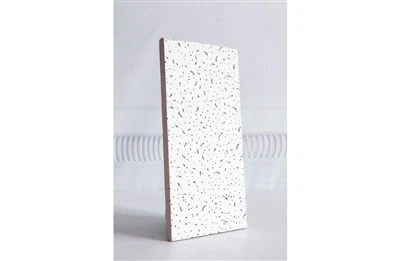
As a supplier of dune mineral fiber ceiling tiles, I've encountered numerous customers concerned about the sagging of these tiles. Sagging not only affects the aesthetic appeal of a ceiling but can also pose potential safety risks. In this blog, I'll share some effective strategies to prevent dune mineral fiber ceiling tiles from sagging.
Understanding the Causes of Sagging
Before delving into prevention methods, it's crucial to understand what causes dune mineral fiber ceiling tiles to sag. The primary culprits include:
- Moisture Exposure: Mineral fiber ceiling tiles are porous, which means they can absorb moisture from the air. When exposed to high humidity or water leaks, the tiles can become saturated, causing them to expand and lose their structural integrity. Over time, this leads to sagging.
- Inadequate Installation: If the ceiling tiles are not installed correctly, they may not be properly supported. This can result in uneven distribution of weight, causing some areas of the tiles to sag.
- Excessive Load: Placing too much weight on the ceiling tiles, such as hanging heavy objects or installing additional fixtures, can cause them to sag under the pressure.
- Aging and Wear: Over time, the materials in the ceiling tiles can break down, reducing their strength and causing them to sag.
Prevention Strategies
1. Control Moisture Levels
- Proper Ventilation: Ensure that the space has adequate ventilation to reduce humidity levels. This can be achieved by installing exhaust fans in areas prone to moisture, such as bathrooms, kitchens, and laundry rooms. Ventilation helps to remove moist air from the room, preventing it from being absorbed by the ceiling tiles.
- Seal Leaks: Regularly inspect the ceiling and surrounding areas for any signs of water leaks. If a leak is detected, it should be repaired immediately to prevent water from seeping into the tiles. This may involve fixing a leaky roof, plumbing pipes, or windows.
- Use a Dehumidifier: In areas with high humidity, consider using a dehumidifier to maintain optimal moisture levels. A dehumidifier can help to remove excess moisture from the air, reducing the risk of the ceiling tiles absorbing water.
2. Ensure Proper Installation
- Follow Manufacturer's Instructions: When installing dune mineral fiber ceiling tiles, it's essential to follow the manufacturer's instructions carefully. This includes using the recommended installation methods, tools, and materials. Proper installation ensures that the tiles are securely attached to the ceiling and evenly supported.
- Use Adequate Support: The ceiling tiles should be installed on a sturdy framework that can support their weight. This may involve using metal or wooden furring strips, which provide a solid base for the tiles. Make sure the support structure is properly spaced and level to prevent uneven stress on the tiles.
- Check for Levelness: Before installing the tiles, ensure that the ceiling surface is level. Any unevenness can cause the tiles to sag over time. Use a level to check the surface and make any necessary adjustments.
3. Avoid Excessive Load
- Limit Hanging Objects: Refrain from hanging heavy objects from the ceiling tiles. If you need to install fixtures or decorations, use a separate support system that is not attached to the tiles. For example, instead of hanging a heavy chandelier directly from the ceiling tile, install a ceiling joist hanger to support the weight.
- Distribute Weight Evenly: If you need to place objects on the ceiling, such as storage boxes or equipment, make sure the weight is evenly distributed. Avoid concentrating the weight in one area, as this can cause the tiles to sag.
4. Regular Maintenance
- Inspect the Ceiling: Periodically inspect the ceiling tiles for any signs of damage or sagging. Look for cracks, discoloration, or unevenness in the tiles. Early detection of problems allows for timely repairs, preventing further damage.
- Clean the Tiles: Regularly clean the ceiling tiles to remove dust, dirt, and debris. Use a soft brush or a vacuum cleaner with a soft brush attachment to avoid scratching the tiles. Cleaning the tiles not only improves their appearance but also helps to maintain their structural integrity.
- Replace Damaged Tiles: If you notice any damaged or sagging tiles, replace them immediately. Damaged tiles can compromise the stability of the entire ceiling and increase the risk of further sagging. Make sure to use the same type and quality of tiles as the original installation.
Choosing the Right Ceiling Tiles
- High - Quality Materials: When selecting dune mineral fiber ceiling tiles, choose products made from high - quality materials. High - quality tiles are more resistant to moisture, wear, and tear, reducing the risk of sagging. Look for tiles that are certified by relevant industry standards.
- Consider the Application: Different types of dune mineral fiber ceiling tiles are designed for different applications. For example, some tiles are more suitable for areas with high humidity, while others are better for sound absorption. Choose the tiles that are appropriate for the specific needs of your space.
Additional Resources
If you're interested in learning more about dune mineral fiber ceiling tiles, you can visit the following links:
- Mineral Fiber Wool Ceiling Tiles
- Tegular Sand Hole Mineral Fiber Board
- Mineral Fiber Board, Mineral Wool Ceiling Tiles
Conclusion
Preventing dune mineral fiber ceiling tiles from sagging requires a combination of proper installation, moisture control, load management, and regular maintenance. By following the strategies outlined in this blog, you can ensure that your ceiling tiles remain in good condition for years to come.
If you're in the market for high - quality dune mineral fiber ceiling tiles or need further advice on installation and maintenance, feel free to contact us for more information. We're here to help you make the best choices for your ceiling needs and ensure a long - lasting, beautiful ceiling.

References
- Building Construction Handbook, Various authors
- Mineral Fiber Ceiling Tile Manufacturer's Manuals