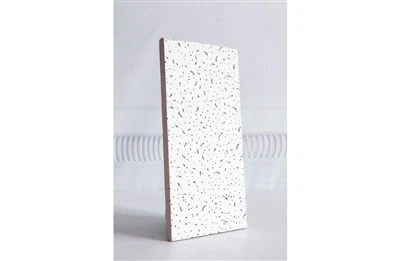
When it comes to ceiling materials, two popular choices that often come under consideration are sand mineral fiber tiles and gypsum boards. As a supplier of sand mineral fiber tiles, I am frequently asked about how these two materials stack up against each other, especially in terms of cost. In this blog, I will delve into a comprehensive comparison of the costs associated with sand mineral fiber tiles and gypsum boards to help you make an informed decision for your construction or renovation projects.
Understanding the Basics
Before we jump into the cost analysis, it's essential to understand what sand mineral fiber tiles and gypsum boards are. Sand mineral fiber tiles, also known as Mineral Fiber Ceiling Tile, are made from a combination of sand, mineral fibers, and other additives. These tiles are known for their excellent acoustic properties, fire resistance, and moisture resistance. They come in a variety of designs and textures, making them a versatile option for both residential and commercial spaces.
On the other hand, gypsum boards are made from gypsum plaster, which is sandwiched between two layers of paper. Gypsum boards are widely used for interior wall and ceiling applications due to their ease of installation, smooth finish, and relatively low cost. They are also known for their fire-resistant properties to some extent.
Initial Purchase Cost
The initial purchase cost is often the first factor that comes to mind when comparing materials. In general, gypsum boards tend to have a lower upfront cost compared to sand mineral fiber tiles. Gypsum boards are mass-produced and readily available in the market, which drives down their price. They are sold in large sheets, and the cost per square foot is typically lower than that of sand mineral fiber tiles.
However, it's important to note that the price of sand mineral fiber tiles can vary depending on several factors, such as the quality, thickness, and design of the tiles. Higher-quality tiles with advanced features like enhanced acoustic performance or better moisture resistance may come at a higher price. Additionally, the cost of sand mineral fiber tiles can also be influenced by the brand and the supplier. As a MINERAL FIBER TILES FACTORY, we strive to offer competitive prices without compromising on the quality of our products.
Installation Cost
Installation cost is another significant aspect to consider when comparing sand mineral fiber tiles and gypsum boards. The installation process for both materials differs, which can have an impact on the overall cost.
Gypsum boards are relatively easy to install, especially for experienced contractors. They can be cut to size using a utility knife and attached to the ceiling or wall framing using screws or nails. The installation process is straightforward and can be completed relatively quickly, which helps to keep the labor cost down.

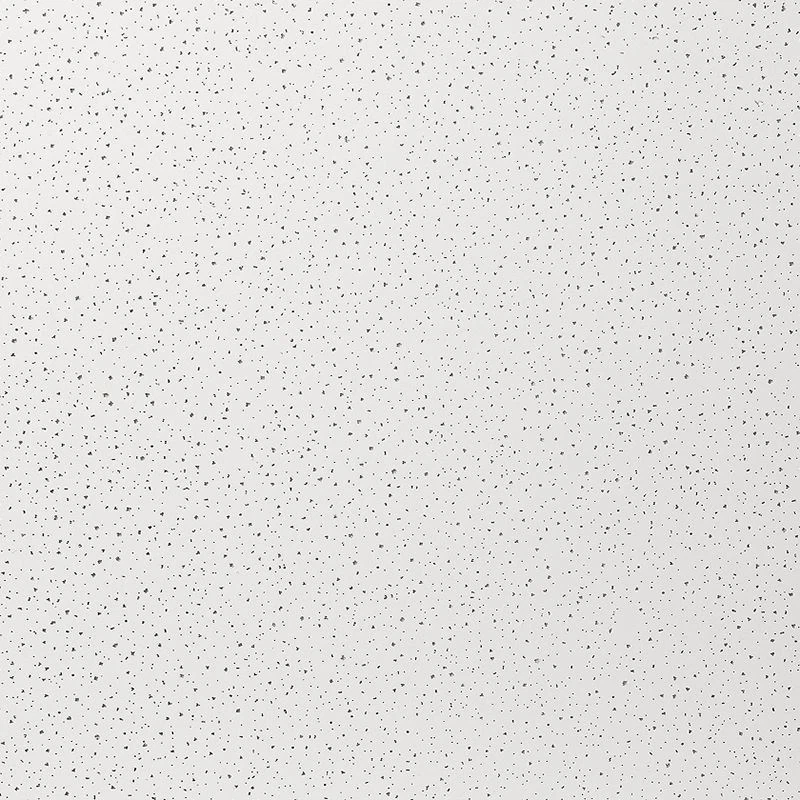
On the other hand, the installation of sand mineral fiber tiles requires more skill and precision. These tiles are typically installed using a suspension system, which involves hanging the tiles from the ceiling using wires or metal frames. The suspension system needs to be properly installed to ensure the tiles are level and secure. Additionally, the edges of the tiles need to be carefully aligned to create a seamless appearance. As a result, the installation of sand mineral fiber tiles may take longer and require more labor, which can increase the overall installation cost.
However, it's worth noting that the installation cost can also vary depending on the complexity of the project and the location. In some cases, the installation cost of sand mineral fiber tiles may be comparable to that of gypsum boards, especially if the project requires a high level of precision or if the installation area has irregular shapes.
Long-Term Cost
When evaluating the cost of ceiling materials, it's important to consider the long-term cost as well. This includes factors such as maintenance, durability, and energy efficiency.
Sand mineral fiber tiles are known for their durability and long lifespan. They are resistant to moisture, fire, and pests, which means they require less maintenance compared to gypsum boards. Gypsum boards are more prone to damage from moisture and impact, and they may need to be replaced more frequently. Additionally, sand mineral fiber tiles have excellent acoustic properties, which can help to reduce noise levels in the space. This can lead to a more comfortable and productive environment, which may have long-term benefits for businesses or homeowners.
In terms of energy efficiency, sand mineral fiber tiles can also offer some advantages. These tiles have a high thermal insulation value, which means they can help to reduce heat transfer between the ceiling and the room below. This can lead to lower energy consumption and cost savings on heating and cooling bills.
On the other hand, gypsum boards have relatively low thermal insulation value, which means they may not be as effective in reducing energy consumption. Additionally, gypsum boards may need to be painted or finished periodically to maintain their appearance, which can add to the long-term cost.
Cost-Effectiveness
When considering the cost-effectiveness of sand mineral fiber tiles and gypsum boards, it's important to look at the overall value that each material provides. While gypsum boards may have a lower upfront cost, sand mineral fiber tiles offer several advantages in terms of durability, maintenance, and energy efficiency. These factors can offset the initial higher cost of sand mineral fiber tiles over the long term.
For example, if you are building a commercial space where noise reduction and fire resistance are important, sand mineral fiber tiles may be a more cost-effective option. The excellent acoustic properties of these tiles can help to create a more comfortable and productive environment for employees, which can lead to increased productivity and reduced absenteeism. Additionally, the fire-resistant properties of sand mineral fiber tiles can provide an added layer of safety for the building and its occupants.
On the other hand, if you are working on a budget-friendly residential project where aesthetics and ease of installation are the primary concerns, gypsum boards may be a more suitable choice. Gypsum boards can be easily painted or decorated to match the interior design of the space, and their relatively low cost makes them a popular option for homeowners.
Conclusion
In conclusion, the cost comparison between sand mineral fiber tiles and gypsum boards depends on several factors, including the initial purchase cost, installation cost, long-term cost, and cost-effectiveness. While gypsum boards may have a lower upfront cost, sand mineral fiber tiles offer several advantages in terms of durability, maintenance, and energy efficiency. These factors need to be carefully considered when making a decision on which material to use for your ceiling project.
As a supplier of Dampproof Acoustic Mineral Fiber Ceiling Board, I am confident in the quality and performance of our sand mineral fiber tiles. We offer a wide range of products to meet the diverse needs of our customers, and our team of experts is always available to provide professional advice and support.
If you are interested in learning more about our sand mineral fiber tiles or would like to discuss your project requirements, please feel free to contact us. We look forward to the opportunity to work with you and help you find the best ceiling solution for your needs.
References
- Building Construction Handbook, various editions
- Journal of Building Materials and Construction Research, multiple articles on ceiling materials
- Industry reports on the cost and performance of ceiling materials