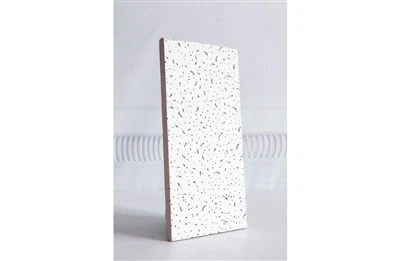
When it comes to ceiling materials, there is a wide range of options available in the market. Each material has its own set of characteristics, advantages, and disadvantages. As a supplier of square mineral fiber ceiling tiles, I am often asked how these tiles compare with other ceiling materials. In this blog post, I will provide a detailed comparison to help you make an informed decision for your next ceiling project.
1. Aesthetic Appeal
Square mineral fiber ceiling tiles offer a clean and modern look that can complement various interior design styles. They come in a variety of textures and patterns, from smooth finishes to more textured and decorative designs. For those looking for a more customized appearance, Square Colors Mineral Fiber Board provides a range of color options to match any color scheme.
In contrast, materials like wood ceilings can bring a warm and natural feel to a space. However, they may not be as versatile in terms of color and pattern options. Metal ceilings, on the other hand, offer a sleek and industrial look but may not be suitable for all design concepts. Gypsum board ceilings can be customized with different shapes and designs, but they often require more complex installation and finishing work to achieve a polished look.
2. Acoustic Performance
One of the significant advantages of square mineral fiber ceiling tiles is their excellent acoustic performance. These tiles are designed to absorb sound, reducing echo and noise levels in a room. This makes them an ideal choice for spaces where noise control is crucial, such as offices, classrooms, auditoriums, and restaurants. The Square Sand Mineral Fiber Board is specifically engineered to enhance acoustic absorption, providing a quieter and more comfortable environment.
Compared to other materials, wood ceilings have limited acoustic properties. While some types of wood can absorb a small amount of sound, they are generally not as effective as mineral fiber tiles. Metal ceilings are also poor sound absorbers and can even reflect sound, increasing noise levels in a room. Gypsum board ceilings can be improved with the addition of acoustic insulation, but this adds to the cost and complexity of the installation.
3. Fire Resistance
Fire safety is a critical consideration in any building project. Square mineral fiber ceiling tiles are inherently fire-resistant. They are made from inorganic materials that do not burn easily and can help prevent the spread of fire. This makes them a reliable choice for commercial and public buildings where fire safety codes are strict.
In comparison, wood ceilings are highly flammable and pose a significant fire hazard. Metal ceilings, while not flammable, can conduct heat and may contribute to the spread of fire by transferring heat to other parts of the building. Gypsum board ceilings have some fire-resistant properties, but they may not be as effective as mineral fiber tiles in containing a fire.
4. Durability and Maintenance
Square mineral fiber ceiling tiles are known for their durability. They are resistant to moisture, mold, and mildew, making them suitable for areas with high humidity, such as bathrooms and kitchens. These tiles are also easy to clean and maintain. A simple wipe-down with a damp cloth is usually sufficient to keep them looking clean and fresh.


Wood ceilings require regular maintenance to prevent rot, warping, and insect damage. They may need to be refinished periodically to maintain their appearance. Metal ceilings can be prone to corrosion in humid environments and may require special coatings to protect them. Gypsum board ceilings can be damaged easily by impacts and may require patching and repainting over time.
5. Cost
Cost is an important factor in any construction or renovation project. Square mineral fiber ceiling tiles are generally more affordable than some other ceiling materials, especially when considering their long-term benefits. They offer a good balance between quality and cost, making them a cost-effective choice for many applications.
Wood ceilings can be expensive, especially if you choose high-quality hardwoods. The cost of installation and maintenance also adds to the overall expense. Metal ceilings can vary in price depending on the type of metal and the complexity of the design. Gypsum board ceilings can be relatively inexpensive, but the cost of installation and finishing work can quickly add up, especially if you require custom designs.
6. Installation
Square mineral fiber ceiling tiles are relatively easy to install. They can be installed using a variety of methods, including suspension systems and direct mounting. This makes them a popular choice for DIY projects as well as professional installations. The Mineral Fiber Board comes with clear installation instructions, making the process straightforward.
Wood ceilings often require skilled carpenters for installation, which can increase the cost. Metal ceilings may require specialized tools and techniques, and the installation process can be more complex. Gypsum board ceilings require careful measurement and installation to ensure a smooth and even finish, and the process can be time-consuming.
Conclusion
In conclusion, square mineral fiber ceiling tiles offer a range of benefits that make them a competitive choice compared to other ceiling materials. They provide excellent aesthetic appeal, acoustic performance, fire resistance, durability, and are cost-effective. Their ease of installation also makes them a practical option for many projects.
If you are considering a ceiling project and want to learn more about our square mineral fiber ceiling tiles, we invite you to contact us for a detailed discussion. Our team of experts can provide you with more information, samples, and pricing to help you make the right decision for your specific needs. Whether you are a contractor, designer, or property owner, we are here to assist you in creating the perfect ceiling solution.
References
- Building Materials Handbook. McGraw-Hill Education.
- Acoustic Design for Buildings. Elsevier.
- Fire Safety in Buildings. Wiley.