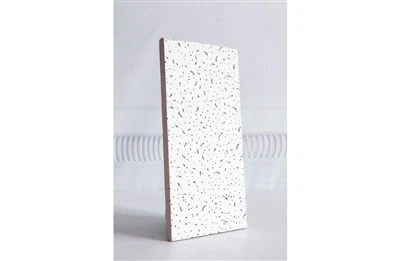
The density of dune mineral fiber board is a critical factor that significantly influences its performance across various aspects. As a supplier of high - quality dune mineral fiber boards, I have witnessed firsthand how different densities can lead to distinct characteristics in these boards, which in turn determine their suitability for different applications.
Physical Properties
One of the most noticeable impacts of density on dune mineral fiber board is its physical strength. Generally, as the density of the board increases, so does its strength. A higher - density board can withstand greater pressure and weight without deforming. For example, in commercial buildings where there may be a lot of foot traffic or where heavy equipment is installed on the ceiling, a high - density dune mineral fiber board is preferred. These boards can support the weight of additional fixtures such as lighting systems and ventilation ducts without sagging or cracking.
On the other hand, lower - density dune mineral fiber boards are lighter in weight. This makes them easier to handle during installation, reducing labor costs and the risk of injury to workers. They are also more suitable for applications where weight is a major concern, such as in some residential settings or in mobile structures where minimizing the overall weight is crucial.
The density also affects the board's durability. High - density boards are more resistant to wear and tear, scratches, and impacts. They can maintain their appearance and structural integrity over a longer period, even in harsh environments. This durability makes them a cost - effective choice in the long run, as they may not need to be replaced as frequently as lower - density boards.


Acoustic Performance
Acoustic performance is another area where the density of dune mineral fiber board plays a vital role. Dune mineral fiber boards are commonly used for sound absorption in buildings, such as in auditoriums, offices, and schools. Higher - density boards tend to have better sound - blocking capabilities. They can prevent sound from passing through the board more effectively, creating a quieter indoor environment.
The internal structure of a high - density dune mineral fiber board is more compact, which helps to disrupt the transmission of sound waves. When sound waves hit the board, the dense fibers absorb and dissipate the energy of the waves, reducing the amount of sound that can travel through to the other side.
In contrast, lower - density boards are better at diffusing sound. They can scatter sound waves in different directions, which can be useful in spaces where a more even distribution of sound is desired, such as in some recording studios or small meeting rooms. The open and porous structure of lower - density boards allows sound waves to enter and bounce around within the board, creating a more balanced acoustic environment.
Thermal Performance
The density of dune mineral fiber board also has an impact on its thermal insulation properties. Higher - density boards typically have better thermal insulation capabilities. The closely packed fibers in these boards reduce the movement of air within the board, which in turn reduces heat transfer. This is beneficial in both hot and cold climates. In cold climates, a high - density dune mineral fiber board can help to keep the indoor environment warm by preventing heat from escaping. In hot climates, it can block the entry of external heat, reducing the need for excessive air - conditioning.
Lower - density boards, while not as effective in terms of pure thermal insulation, can still contribute to a building's energy efficiency in other ways. Their lighter weight and more porous structure can allow for better ventilation in some cases, which can help to regulate the indoor temperature naturally.
Fire Resistance
Fire resistance is a crucial consideration in building materials, and the density of dune mineral fiber board can affect this property. High - density dune mineral fiber boards generally have better fire - resistant characteristics. The dense fibers are more difficult to ignite and can slow down the spread of fire. They can also maintain their structural integrity for a longer time during a fire, providing valuable time for evacuation and firefighting.
Lower - density boards, although still having some degree of fire resistance, may not be as effective in preventing the spread of fire. However, they can still be used in areas where the fire risk is relatively low, and additional fire - protection measures are in place.
Aesthetic and Installation Considerations
From an aesthetic perspective, the density of the board can influence its appearance. Higher - density boards often have a smoother and more uniform surface, which can be more appealing in some applications where a high - end finish is required. They can also be painted or decorated more easily, allowing for greater design flexibility.
In terms of installation, as mentioned earlier, lower - density boards are easier to cut, shape, and install due to their lighter weight. However, high - density boards may require more specialized tools and skills for installation, but they can provide a more stable and long - lasting installation.
Applications Based on Density
The different performance characteristics of dune mineral fiber boards with varying densities make them suitable for different applications. High - density boards are ideal for commercial buildings, industrial facilities, and areas with high traffic or strict performance requirements. For example, in large shopping malls, high - density Square Pinhole Mineral Fiber Board can be used for ceiling installations to provide excellent sound insulation and durability.
Lower - density boards are well - suited for residential applications, small offices, and areas where a more cost - effective and easy - to - install solution is needed. The Square Colors Mineral Fiber Board with lower density can add a decorative touch to a living room ceiling while also providing some acoustic benefits.
If you are looking for a comprehensive solution for your building project, our Mineral Fiber Board, Mineral Wool Ceiling Tiles come in a range of densities to meet your specific needs.
Conclusion
In conclusion, the density of dune mineral fiber board has a profound impact on its performance in terms of physical properties, acoustic performance, thermal performance, fire resistance, aesthetics, and installation. As a supplier, I understand the importance of choosing the right density for each application. Whether you need a high - density board for its strength and durability or a lower - density board for its light weight and sound - diffusing properties, we can provide you with the best solution.
If you are interested in learning more about our dune mineral fiber boards or would like to discuss your specific requirements for a project, please feel free to contact us. We are committed to providing high - quality products and professional advice to help you achieve the best results for your building.
References
- ASTM International. (Year). Standard test methods for properties of mineral fiber ceiling tiles.
- Building Research Establishment. (Year). Research report on the performance of dune mineral fiber boards in different densities.
- International Building Code. (Year). Regulations related to the use of mineral fiber boards in building construction.