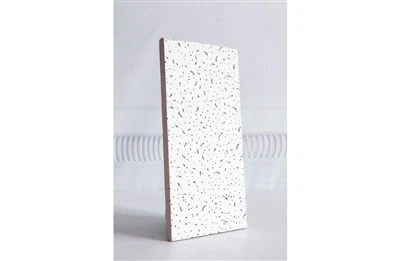
Hey there! So, you're on the hunt for the right square mineral fiber ceiling tiles for your room. Well, you've come to the right place. I'm a supplier of these awesome ceiling tiles, and I'm gonna walk you through everything you need to know to make the best choice.
Understanding Square Mineral Fiber Ceiling Tiles
First off, let's talk about what square mineral fiber ceiling tiles are. These tiles are made from a blend of minerals, like rock wool or slag wool, and other fibers. They're super popular for ceilings because they're affordable, easy to install, and offer a bunch of great benefits.
One of the biggest perks is their acoustic performance. They can absorb sound, which is really handy if you've got a noisy room or if you want to create a more peaceful environment. For example, in an office, these tiles can help cut down on the chatter and make it easier to focus.
They also come in a variety of styles and finishes. You can get smooth tiles for a clean, modern look, or textured ones that add a bit of character. And because they're square, they're easy to arrange in different patterns on your ceiling.
Factors to Consider When Choosing
Now, let's get into the nitty - gritty of what you should think about when picking the right tiles for your room.
Room Function
The first thing you need to consider is what the room is used for. If it's a home theater, you'll want tiles with excellent sound - absorbing properties. You don't want all that great audio to bounce around the room and sound muddled. Check out our Mineral Fiber Board, Mineral Wool Ceiling Tiles which are designed to do just that.
On the other hand, if it's a bathroom or a kitchen, you'll need tiles that are moisture - resistant. These areas tend to have high humidity, and regular tiles can get damaged. Look for tiles with a special coating that can withstand the moisture.
Aesthetic Appeal
How the tiles look is also a big deal. You want them to match the overall style of your room. If you've got a contemporary space, a smooth, white tile might be the way to go. But if your room has a more rustic or industrial vibe, a textured tile like our Tegular Fine Fissure Mineral Fiber Board could add just the right touch.
Think about the color too. Light - colored tiles can make a room feel bigger and brighter, while darker ones can create a more cozy and intimate atmosphere.
Budget
Let's face it, budget is always a factor. Square mineral fiber ceiling tiles are generally affordable, but the price can vary depending on the quality, style, and brand. You can find basic tiles that are really budget - friendly, but if you want something with more features like better sound absorption or a unique finish, you might have to spend a bit more.
It's important to set a budget and then look for tiles that fit within it. Our Mineral Fiber Board comes in a range of prices, so you're sure to find something that works for you.


Installation
Some tiles are easier to install than others. If you're planning to do the installation yourself, you'll want tiles that are lightweight and easy to handle. Many of our square mineral fiber ceiling tiles come with a simple installation system that doesn't require a lot of special tools or skills.
But if you're not confident in your DIY abilities, you can always hire a professional. Just make sure to factor in the cost of installation when you're budgeting.
Quality and Durability
You don't want to invest in ceiling tiles that are going to fall apart after a few years. Look for tiles that are made from high - quality materials. Good quality tiles will be more resistant to damage from moisture, scratches, and general wear and tear.
Check the manufacturer's warranty. A longer warranty usually means the manufacturer has confidence in the quality of their product. Our tiles are made with top - notch materials and come with a solid warranty, so you can be sure you're getting a durable product.
Maintenance
Maintenance is another thing to think about. Some tiles are easier to clean than others. Smooth tiles are generally easier to wipe down, while textured tiles might require a bit more effort to get the dirt out of the crevices.
You'll also want to consider how often the tiles need to be replaced. High - quality tiles can last for many years with proper maintenance, so it's worth investing in them.
Sizing and Pattern
Square tiles come in different sizes. The most common sizes are 2x2 feet and 2x4 feet. The size you choose depends on the size of your room and the look you want to achieve. Smaller tiles can give a more detailed, intricate look, while larger tiles can make the ceiling look more seamless.
You can also play around with different patterns. You can do a simple grid pattern, or get creative with diagonal or staggered patterns. This can really add a unique touch to your ceiling.
Environmental Impact
If you're environmentally conscious, you'll want to look for tiles that are eco - friendly. Many of our square mineral fiber ceiling tiles are made from recycled materials and are also recyclable at the end of their life. This means you can have a beautiful ceiling without harming the environment too much.
Conclusion
Choosing the right square mineral fiber ceiling tiles for your room doesn't have to be a headache. By considering factors like room function, aesthetic appeal, budget, installation, quality, maintenance, sizing, and environmental impact, you can find the perfect tiles for your space.
We're here to help you every step of the way. As a supplier of square mineral fiber ceiling tiles, we have a wide range of products to meet your needs. Whether you're looking for a basic tile for a small room or something more high - end for a large commercial space, we've got you covered.
If you're interested in learning more or want to start a purchase, feel free to reach out. We're happy to answer any questions you might have and help you get the best ceiling tiles for your room.
References
- "Ceiling Tile Buying Guide" - Home Improvement Magazine
- "The Benefits of Mineral Fiber Ceiling Tiles" - Building Materials Journal
- "Acoustic Performance of Ceiling Tiles" - Sound Engineering Research Report