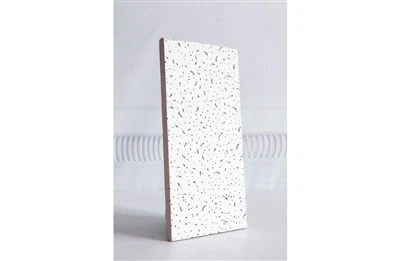
Colored mineral fiber ceiling boards are a popular choice for both residential and commercial spaces due to their aesthetic appeal, acoustic properties, and fire resistance. However, like any building material, they can become damaged over time. As a supplier of colored mineral fiber ceiling boards, I understand the importance of addressing these issues effectively. In this blog post, I'll share some practical tips on how to deal with damaged colored mineral fiber ceiling boards.
Identifying the Type of Damage
The first step in dealing with damaged ceiling boards is to accurately identify the type of damage. There are several common types of damage that colored mineral fiber ceiling boards may encounter:
- Scratches and Abrasions: These can occur during installation, cleaning, or due to contact with sharp objects. Minor scratches may only affect the surface finish, while deeper abrasions can expose the underlying mineral fiber material.
- Stains: Stains can be caused by water leaks, smoke, dirt, or chemical spills. They can significantly affect the appearance of the ceiling boards and may require special treatment to remove.
- Holes and Cracks: Holes can be the result of accidental impacts, such as a dropped tool or a nail being driven through the board. Cracks may develop over time due to structural movement or temperature changes.
- Water Damage: Exposure to water can cause the ceiling boards to warp, swell, or become discolored. Water damage is often a sign of a more serious underlying problem, such as a leaky roof or plumbing issue.
Assessing the Severity of Damage
Once you've identified the type of damage, the next step is to assess its severity. Minor damage, such as small scratches or stains, can often be repaired without replacing the entire ceiling board. However, more severe damage, such as large holes or extensive water damage, may require the replacement of the affected board.
When assessing the severity of damage, consider the following factors:
- Size and Location: The size and location of the damage can affect the ease of repair. Small, isolated areas of damage may be easier to repair than large, widespread areas.
- Depth of Damage: Deeper damage, such as holes or cracks that penetrate the entire thickness of the board, may require more extensive repair or replacement.
- Aesthetic Impact: The aesthetic impact of the damage is also an important consideration. If the damage is visible from a prominent location, it may be necessary to take more drastic measures to restore the appearance of the ceiling.
Repairing Minor Damage
For minor damage, such as scratches, stains, or small holes, there are several repair options available:
- Scratch Repair: Minor scratches can often be repaired by using a touch-up paint or a color-matching marker. First, clean the scratched area with a mild detergent and water to remove any dirt or debris. Then, apply the touch-up paint or marker to the scratch, following the manufacturer's instructions. Allow the paint or marker to dry completely before assessing the results.
- Stain Removal: The method of stain removal depends on the type of stain. For water stains, try using a mixture of equal parts white vinegar and water. Apply the solution to the stain with a clean cloth and gently rub the area until the stain begins to fade. For more stubborn stains, such as smoke or grease stains, you may need to use a specialized stain remover. Always test the stain remover on a small, inconspicuous area of the ceiling board first to ensure that it does not cause any discoloration or damage.
- Small Hole Repair: Small holes can be filled with a spackling compound or a ceiling repair kit. First, clean the hole and the surrounding area to remove any loose debris. Then, apply the spackling compound or repair kit to the hole, using a putty knife to smooth the surface. Allow the compound or kit to dry completely, and then sand the area lightly to blend it in with the surrounding ceiling board. You may need to apply a second coat of compound or kit if the hole is deep or large.
Replacing Damaged Boards
In cases where the damage is too severe to repair, it may be necessary to replace the damaged ceiling board. Here's a step-by-step guide on how to replace a colored mineral fiber ceiling board:


- Prepare the Area: Before you begin, turn off the power to any electrical fixtures in the area to avoid the risk of electrocution. Cover the floor and any furniture or equipment below the ceiling with a drop cloth to protect them from dust and debris.
- Remove the Damaged Board: Use a utility knife to cut along the edges of the damaged board, separating it from the surrounding boards. Be careful not to damage the adjacent boards. Once the board is cut free, gently lift it out of the ceiling grid and set it aside.
- Measure and Cut the Replacement Board: Measure the dimensions of the opening left by the removed board. Use these measurements to cut a replacement board to the correct size. You can use a sharp utility knife or a fine-tooth saw to cut the board. Make sure to wear protective gloves and goggles when cutting the board to avoid injury.
- Install the Replacement Board: Carefully place the replacement board into the opening, aligning it with the surrounding boards. Press the board firmly into place to ensure a snug fit. If necessary, use a ceiling tile adhesive or clips to secure the board to the ceiling grid.
- Finish the Installation: Once the replacement board is installed, use a putty knife to smooth any seams or edges. You may also need to touch up the paint or finish on the replacement board to match the surrounding ceiling. Allow the paint or finish to dry completely before turning the power back on and removing the drop cloth.
Preventing Future Damage
To minimize the risk of future damage to your colored mineral fiber ceiling boards, consider the following preventive measures:
- Proper Installation: Ensure that the ceiling boards are installed correctly by following the manufacturer's instructions. Improper installation can lead to gaps, warping, or other issues that can make the boards more susceptible to damage.
- Regular Maintenance: Perform regular inspections of your ceiling boards to check for signs of damage or wear. Clean the boards regularly using a soft brush or a vacuum cleaner with a soft brush attachment to remove dust and debris. Avoid using abrasive cleaners or tools that can scratch or damage the surface of the boards.
- Address Water Issues Promptly: If you notice any signs of water damage, such as stains or warping, immediately address the underlying water issue. This may involve fixing a leaky roof, plumbing problem, or improving ventilation in the area to reduce humidity.
- Protect the Ceiling: Take precautions to protect the ceiling from accidental damage. For example, use caution when moving furniture or equipment near the ceiling, and avoid hanging heavy objects from the ceiling without proper support.
Conclusion
Dealing with damaged colored mineral fiber ceiling boards requires a careful assessment of the type and severity of the damage, followed by appropriate repair or replacement measures. As a supplier of colored mineral fiber ceiling boards, I offer a wide range of products, including Tegular Sand Hole Mineral Fiber Board, Tegular Pinhole Mineral Fiber Board, and Square Sand Mineral Fiber Board, to meet your specific needs. If you have any questions or need assistance with your ceiling board installation or repair, please don't hesitate to contact us for a professional consultation and procurement negotiation.
References
- Manufacturer's guidelines for colored mineral fiber ceiling boards.
- Building maintenance and repair manuals.
- Online resources on ceiling board installation and repair.