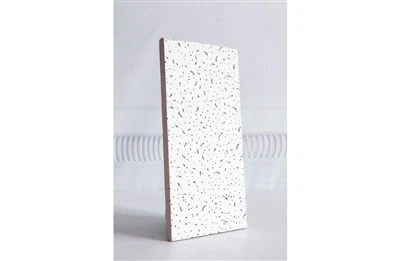
As a seasoned supplier of mineral fiber boards, I've witnessed firsthand the growing demand for high-quality sound-insulating materials in various construction and interior design projects. Mineral fiber boards are a popular choice due to their excellent fire resistance, thermal insulation, and acoustic properties. However, there's always room for improvement when it comes to enhancing their sound-insulation performance. In this blog post, I'll share some practical tips and strategies that can help you achieve better sound insulation with mineral fiber boards.
Understanding the Basics of Sound Insulation
Before delving into the ways to improve sound insulation, it's essential to understand how sound travels and how mineral fiber boards work to reduce noise. Sound is a form of energy that travels through the air in waves. When these waves encounter a barrier, such as a wall or a ceiling made of mineral fiber board, some of the sound energy is reflected, some is absorbed, and some is transmitted through the material.
The ability of a material to block sound transmission is measured by its Sound Transmission Class (STC) rating. The higher the STC rating, the better the material is at reducing sound transmission. Mineral fiber boards typically have an STC rating ranging from 30 to 50, depending on their thickness, density, and composition.
Factors Affecting the Sound-Insulation Performance of Mineral Fiber Boards
Several factors can influence the sound-insulation performance of mineral fiber boards. Understanding these factors is crucial for implementing effective improvement strategies.
- Thickness: Generally, thicker mineral fiber boards provide better sound insulation than thinner ones. As the thickness increases, the board can absorb more sound energy and reduce the transmission of noise.
- Density: Higher density mineral fiber boards tend to have better sound-insulation properties. A denser board can block more sound waves and prevent them from passing through.
- Composition: The composition of the mineral fiber board, including the type of fibers used and the additives incorporated, can also affect its sound-insulation performance. Some additives can enhance the absorption of sound energy, while others can improve the structural integrity of the board.
- Installation: Proper installation is essential for achieving optimal sound insulation. Gaps, seams, and improper sealing can allow sound to leak through, reducing the effectiveness of the board.
Strategies to Improve the Sound-Insulation Performance of Mineral Fiber Boards
1. Choose the Right Type of Mineral Fiber Board
There are various types of mineral fiber boards available in the market, each with its own unique properties and applications. When selecting a mineral fiber board for sound insulation, consider the following options:
- Mineral Fiber Ceiling: These boards are specifically designed for ceiling applications and offer excellent sound absorption and insulation. They are available in different thicknesses and densities to suit various requirements.
- Tegular Sand Hole Mineral Fiber Board: This type of board features a unique tegular edge and sand hole design, which enhances its sound absorption capabilities. The sand holes act as sound traps, capturing and dissipating sound energy.
- Mineral Fiber Wool Ceiling Tiles: Made from mineral fiber wool, these tiles provide superior sound insulation and are ideal for commercial and residential buildings. They are lightweight, easy to install, and available in a variety of colors and patterns.
2. Increase the Thickness and Density of the Board
As mentioned earlier, thicker and denser mineral fiber boards offer better sound insulation. If possible, choose a board with a higher thickness and density to improve its performance. However, keep in mind that increasing the thickness and density may also increase the cost and weight of the board.
3. Use Multiple Layers of Mineral Fiber Boards
Another effective way to enhance sound insulation is to use multiple layers of mineral fiber boards. By stacking two or more boards together, you can create a thicker and more effective sound barrier. Make sure to stagger the seams between the layers to prevent sound from leaking through.
4. Seal Gaps and Joints
Proper sealing of gaps and joints is crucial for preventing sound leakage. Use a high-quality acoustic sealant to fill any gaps between the boards, around pipes, and at the edges of the installation area. This will help to create a continuous sound barrier and improve the overall sound-insulation performance.
5. Install a Soundproof Underlayment
A soundproof underlayment can be installed beneath the mineral fiber board to further enhance its sound-insulation properties. The underlayment acts as an additional layer of absorption, reducing the transmission of sound through the floor or ceiling. There are various types of soundproof underlayments available, including rubber, foam, and felt.
6. Incorporate Acoustic Insulation in the Surrounding Structure
In addition to using mineral fiber boards, consider incorporating acoustic insulation in the surrounding structure, such as walls, floors, and ceilings. This can include materials like fiberglass insulation, cellulose insulation, or acoustic foam. By creating a comprehensive soundproofing system, you can significantly reduce the transmission of noise.
Testing and Evaluation
Once you have implemented the above strategies, it's important to test and evaluate the sound-insulation performance of the mineral fiber boards. You can use a sound level meter to measure the sound intensity before and after the installation of the boards. Compare the results to determine the effectiveness of the improvement measures.


Conclusion
Improving the sound-insulation performance of mineral fiber boards is a multi-faceted process that requires careful consideration of various factors. By choosing the right type of board, increasing its thickness and density, using multiple layers, sealing gaps and joints, installing a soundproof underlayment, and incorporating acoustic insulation in the surrounding structure, you can achieve significant improvements in sound insulation.
As a supplier of mineral fiber boards, I'm committed to providing high-quality products and expert advice to help you achieve your soundproofing goals. If you have any questions or need further information about our products, please don't hesitate to contact us for procurement and negotiation.
References
- ASTM International. (2019). Standard Test Method for Laboratory Measurement of Airborne Sound Transmission Loss of Building Partitions and Elements (ASTM E90).
- International Building Code (IBC). (2018). Chapter 12: Sound Transmission.
- Sound and Vibration. (2020). Acoustical Materials: A Guide to Selection and Application.