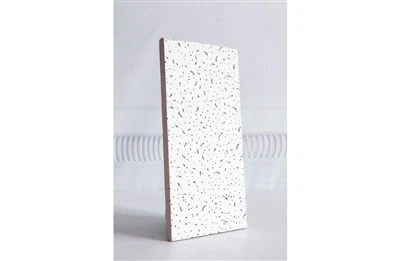
Installing mineral fiber boards can transform the look and functionality of your space, whether it's a commercial building or a residential property. As a trusted mineral fiber board supplier, I'm here to guide you through the installation process step by step.
Preparation
Before you start the installation, you need to gather all the necessary tools and materials. Here's a list of what you'll typically need:
- Mineral fiber boards: We offer a variety of options, such as the Square Sand Hole Mineral Fiber Board, Dampproof Acoustic Mineral Fiber Ceiling Board, and Mineral Fiber Ceiling. Choose the one that best suits your needs.
- Measuring tape: To measure the area where you'll be installing the boards accurately.
- Utility knife: For cutting the boards to the required size.
- Straightedge: To ensure straight cuts.
- Screwdriver or drill: Depending on the installation method, you'll need these to attach the boards.
- Adhesive: If you're using an adhesive installation method.
- Safety equipment: This includes safety glasses, gloves, and a dust mask to protect yourself during the installation process.
Measuring and Planning
The first step in the installation process is to measure the area where you'll be installing the mineral fiber boards. Use a measuring tape to measure the length and width of the ceiling or wall. Make sure to account for any obstacles such as light fixtures, vents, or pipes.
Once you have the measurements, you can plan the layout of the boards. Start by marking the center point of the area with a chalk line. This will help you align the boards evenly. If you're installing the boards on a ceiling, you may also want to mark the location of the ceiling joists.
Cutting the Boards
After you've planned the layout, it's time to cut the mineral fiber boards to the required size. Use a utility knife and a straightedge to make straight cuts. Score the board along the cutting line several times, then snap the board along the scored line.
If you need to make curved cuts or cutouts for light fixtures or vents, you can use a jigsaw or a hole saw. Make sure to wear safety glasses and a dust mask when cutting the boards to protect yourself from dust.
Installation Methods
There are several methods you can use to install mineral fiber boards, including:
- Suspended Ceiling Installation: This is a popular method for commercial buildings. In this method, a grid system is installed on the ceiling, and the mineral fiber boards are placed in the grid. The grid system provides support for the boards and allows for easy installation and removal.
- Direct Adhesive Installation: This method involves applying adhesive directly to the back of the mineral fiber boards and then pressing them onto the ceiling or wall. This method is suitable for smooth surfaces and is often used in residential applications.
- Mechanical Fastening Installation: In this method, the mineral fiber boards are attached to the ceiling or wall using screws or nails. This method is suitable for surfaces that are not smooth or for areas where there is a lot of vibration.
Suspended Ceiling Installation
If you're using the suspended ceiling installation method, follow these steps:
- Install the main runners: Use a drill to attach the main runners to the ceiling joists. Make sure the main runners are level and spaced evenly.
- Install the cross tees: Attach the cross tees to the main runners using the clips provided. Make sure the cross tees are level and spaced evenly.
- Place the mineral fiber boards in the grid: Carefully place the mineral fiber boards in the grid, making sure they fit snugly. If necessary, cut the boards to fit around obstacles.
- Secure the boards: Use the clips provided to secure the boards to the grid. Make sure the boards are firmly attached and do not move.
Direct Adhesive Installation
If you're using the direct adhesive installation method, follow these steps:
- Prepare the surface: Make sure the surface where you'll be installing the boards is clean, dry, and smooth. Remove any dirt, dust, or debris.
- Apply the adhesive: Use a trowel or a notched spreader to apply the adhesive to the back of the mineral fiber boards. Make sure to apply the adhesive evenly.
- Press the boards onto the surface: Carefully press the boards onto the surface, starting from one corner. Use a roller or a flat tool to smooth out the boards and remove any air bubbles.
- Secure the boards: If necessary, use screws or nails to secure the boards to the surface. Make sure to countersink the screws or nails so they are flush with the surface of the board.
Mechanical Fastening Installation
If you're using the mechanical fastening installation method, follow these steps:
- Mark the location of the fasteners: Use a drill to mark the location of the screws or nails on the back of the mineral fiber boards. Make sure to space the fasteners evenly.
- Drill pilot holes: Use a drill bit that is slightly smaller than the diameter of the screws or nails to drill pilot holes in the marked locations.
- Attach the boards: Place the mineral fiber boards on the ceiling or wall and align them with the pilot holes. Use a screwdriver or drill to attach the boards using the screws or nails. Make sure to tighten the screws or nails securely.
Finishing Touches
Once you've installed the mineral fiber boards, you can add some finishing touches to complete the look. You can use a caulking gun to fill any gaps between the boards and the ceiling or wall. This will give the installation a clean and professional look.
If you're installing the boards on a ceiling, you may also want to install a trim around the perimeter of the ceiling. This will hide the edges of the boards and give the ceiling a finished look.
Maintenance and Care
Mineral fiber boards are relatively low-maintenance. To keep them looking their best, you can vacuum or dust them regularly to remove any dust or debris. If the boards get dirty, you can clean them with a mild detergent and water.
Avoid using abrasive cleaners or scrubbing the boards too hard, as this can damage the surface of the boards. If you need to repair a damaged board, you can replace it with a new one.
Conclusion
Installing mineral fiber boards is a relatively straightforward process that can be completed by most DIYers. By following the steps outlined in this guide, you can install mineral fiber boards on your ceiling or wall and transform the look and functionality of your space.
If you have any questions or need further assistance with the installation process, please don't hesitate to contact us. As a leading mineral fiber board supplier, we have the expertise and experience to help you choose the right product for your needs and provide you with the support you need during the installation process.


Whether you're looking for a Square Sand Hole Mineral Fiber Board, Dampproof Acoustic Mineral Fiber Ceiling Board, or Mineral Fiber Ceiling, we have a wide range of products to choose from. Contact us today to discuss your requirements and start your installation project.
References
- "Mineral Fiber Ceiling Installation Guide." [Manufacturer's Name], [Year].
- "Safety Guidelines for Working with Mineral Fiber Products." [Safety Organization Name], [Year].