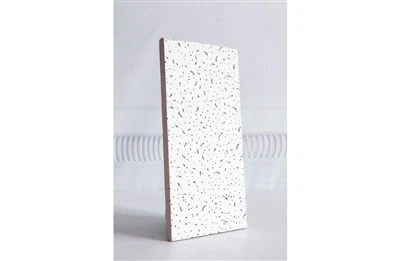
Hey there! As a supplier of sand mineral fiber ceiling products, I've had my fair share of experiences with installations. One of the most common concerns I hear from customers is how to install sand mineral fiber ceiling with minimal noise. Well, you're in luck because I'm gonna share some tips and tricks that'll help you achieve just that.
Understanding Sand Mineral Fiber Ceiling
First things first, let's talk a bit about sand mineral fiber ceiling. It's a popular choice for both residential and commercial spaces because of its great acoustic properties, fire resistance, and affordability. Sand mineral fiber ceiling tiles, like the ones you can find Mineral Fiber Ceiling Tiles, are made from a combination of sand, mineral fibers, and other additives. They come in various shapes, sizes, and designs, such as the Tegular Sand Mineral Fiber Board, which has a unique tegular edge for a more decorative look.
Planning for a Quiet Installation
Before you even start the installation process, proper planning is key to minimizing noise. Here are some steps you can take:
Choose the Right Time
Pick a time when there are fewer distractions and less background noise. For example, if you're doing a residential installation, try to avoid weekends or evenings when neighbors might be home and more likely to be bothered by the noise. In a commercial setting, plan the installation during off - peak hours.
Prepare the Workspace
Clear the area where you'll be installing the ceiling. Remove any furniture, equipment, or debris. This not only makes the installation process smoother but also reduces the chances of accidental noise from moving objects around.
Gather the Right Tools
Make sure you have all the necessary tools before you start. Using the right tools can make the job quicker and quieter. For example, a sharp utility knife for cutting the ceiling tiles will make cleaner cuts with less noise compared to a dull one.
Installation Techniques to Minimize Noise
Now, let's get into the actual installation process and how to keep the noise down.
Measuring and Cutting
- Accurate Measuring: Take your time to measure the area where the ceiling tiles will be installed. Use a measuring tape and mark the dimensions clearly. This reduces the need for re - cutting, which can be noisy.
- Quiet Cutting Methods: When it comes to cutting the sand mineral fiber ceiling tiles, there are a few options. You can use a sharp utility knife for straight cuts. Score the tile on the front side and then snap it along the scored line. This method is relatively quiet compared to using a saw. If you need to make more complex cuts, a fine - toothed hand saw can be used, but make sure to cut slowly and steadily to minimize the noise.
Mounting the Ceiling Grid
- Pre - Assemble the Grid: If possible, pre - assemble the ceiling grid in an area away from the installation site. This way, you can do the noisy part of putting the grid together without disturbing others.
- Use Quiet Fasteners: When attaching the ceiling grid to the ceiling joists or walls, use screws or nails that are designed to reduce noise. Some screws have special coatings or designs that dampen the sound when being driven in.
Installing the Ceiling Tiles
- Gentle Placement: Carefully place the ceiling tiles into the grid. Avoid dropping or slamming them, as this can create a loud noise. Hold the tile firmly but gently and lower it into position.
- Proper Alignment: Make sure the tiles are properly aligned in the grid. This not only gives a better aesthetic result but also reduces the need for readjustment, which can be noisy.
Additional Noise - Reducing Tips
Here are some extra things you can do to further minimize noise during the installation:
Use Sound - Dampening Materials
You can line the ceiling joists or the area around the installation site with sound - dampening materials. For example, acoustic insulation can absorb some of the noise generated during the installation process.
Cover the Floor
Lay down a drop cloth or a thick carpet on the floor below the installation area. This helps to muffle the sound of any tools or materials that might accidentally fall.
Communicate with Others
If you're working in a shared space, let others know about the installation in advance. This way, they can prepare themselves and take any necessary precautions to minimize the impact of the noise on them.


Maintenance and Long - Term Noise Reduction
Once the sand mineral fiber ceiling is installed, proper maintenance can also contribute to long - term noise reduction.
Regular Cleaning
Keep the ceiling clean. Dust and debris can accumulate on the tiles over time, which can affect their acoustic properties. Use a soft brush or a vacuum cleaner with a soft brush attachment to clean the tiles gently.
Check for Damage
Periodically check the ceiling for any signs of damage, such as cracks or loose tiles. Repair or replace damaged tiles as soon as possible. A damaged ceiling can not only look bad but also reduce the noise - absorbing capabilities of the ceiling.
Conclusion
Installing a sand mineral fiber ceiling with minimal noise is definitely achievable with the right planning, techniques, and tools. By following the tips I've shared, you can ensure a smooth and quiet installation process. Whether you're a DIY enthusiast or a professional installer, these methods will help you get the job done without causing too much disturbance.
If you're interested in purchasing high - quality sand mineral fiber ceiling products, including the Tegular Sand Mineral Fiber Board and Mineral Fiber Ceiling Tiles, or if you have any questions about installation or maintenance, feel free to reach out. We're here to help you with all your ceiling needs. And don't forget, our Embossed PVC Film For Gypsum Tile can add an extra touch of style to your ceiling.
References
- Building Construction Handbook, various editions
- Acoustic Materials and Their Applications, industry research papers