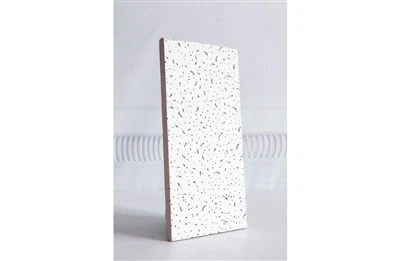
Hey there, folks! I'm a supplier of sand hole mineral fiber boards, and I often get asked about how to join two pieces of these boards together. Well, you've come to the right place. In this blog, I'm gonna share some practical methods and tips on making that happen.
First off, let's talk a bit about sand hole mineral fiber boards. These boards are pretty awesome. They're known for their great acoustic properties, fire resistance, and durability. Whether you're using them for ceiling installations in commercial buildings or for some DIY home projects, they're a solid choice. We offer different types, like the Square Colors Mineral Fiber Board, Square Sand Hole Mineral Fiber Board, and Tegular Pinhole Mineral Fiber Board. Each type has its own unique look and features, but the process of joining them is somewhat similar.
Method 1: Using Adhesives
One of the most common ways to join two pieces of sand hole mineral fiber board is by using adhesives. There are several types of adhesives that work well for this purpose.


Construction Adhesive
Construction adhesive is a heavy - duty option. It's thick and sticky, which means it can hold the boards together firmly. Before you start, make sure the surfaces of the boards are clean and dry. Any dust or debris can reduce the adhesive's effectiveness.
Here's how you do it:
- Apply the construction adhesive to one of the edges of the board in a zig - zag pattern. Don't put too much on, but make sure there's enough to cover the area evenly.
- Press the two boards together firmly. You might need to use some clamps to hold them in place while the adhesive dries. Follow the drying time recommended on the adhesive packaging. Usually, it takes a few hours for the adhesive to set, and it might need 24 hours to fully cure.
Contact Cement
Contact cement is another option. It works a bit differently from construction adhesive. You apply the contact cement to both surfaces that you want to join. Let the cement dry for a few minutes until it becomes tacky. Then, carefully align the two boards and press them together. The advantage of contact cement is that it bonds quickly once the two surfaces touch. However, it's important to get the alignment right on the first try because once they're stuck together, it's hard to reposition them.
Method 2: Mechanical Fasteners
If you're not a fan of adhesives or if you need a more immediate and strong connection, mechanical fasteners are a good alternative.
Screws
Screws are a reliable way to join the boards. You'll need a drill and the appropriate screws. First, mark the spots where you want to insert the screws on both boards. Make sure the marks align. Then, drill pilot holes in the boards. This helps prevent the boards from cracking when you insert the screws.
After drilling the pilot holes, insert the screws. You can use washers under the screw heads to distribute the pressure evenly and prevent the screws from sinking too deep into the board. This method is great for larger boards or when you need a very secure connection.
Nails
Nails can also be used, but they're not as strong as screws. You can use a nail gun or a hammer to drive the nails into the boards. Just like with screws, it's a good idea to pre - drill holes to avoid splitting the boards. Nails are a bit faster to install than screws, but they might not hold as well over time, especially if there's a lot of movement or stress on the joined boards.
Method 3: Edge Connectors
Some sand hole mineral fiber boards come with edge connectors. These are specially designed pieces that fit between the edges of two boards and hold them together.
To use edge connectors, first, make sure the edges of the boards are clean and straight. Then, insert the edge connector into one of the board edges. Align the second board with the connector and slide it into place. Edge connectors are convenient because they provide a neat and professional - looking joint. They're also relatively easy to install, even for beginners.
Tips for a Successful Join
- Alignment: This is crucial. Whether you're using adhesives, fasteners, or edge connectors, make sure the two boards are properly aligned. You can use a straightedge or a level to check. A misaligned joint can look bad and might also affect the structural integrity of the installation.
- Sealing the Joint: After joining the boards, it's a good idea to seal the joint. You can use a joint compound or a caulk that matches the color of the boards. This helps to hide the joint and gives the installation a more finished look.
- Testing the Joint: Before you finish the entire installation, it's a good idea to test the joint. Apply a little pressure to make sure it holds up. If you notice any signs of weakness, you might need to reinforce the joint.
Conclusion
Joining two pieces of sand hole mineral fiber board isn't rocket science. Whether you choose adhesives, mechanical fasteners, or edge connectors, each method has its own pros and cons. The key is to choose the method that suits your project best and to follow the proper steps.
If you're interested in purchasing sand hole mineral fiber boards for your project, we're here to help. We have a wide range of high - quality boards, including the Square Colors Mineral Fiber Board, Square Sand Hole Mineral Fiber Board, and Tegular Pinhole Mineral Fiber Board. If you have any questions about the products or the joining process, feel free to reach out to us for more information and to start a purchase negotiation.
References
- "Building Materials Handbook" - A comprehensive guide on different building materials and their installation methods.
- Manufacturer's guides for sand hole mineral fiber boards, which often include joining instructions.