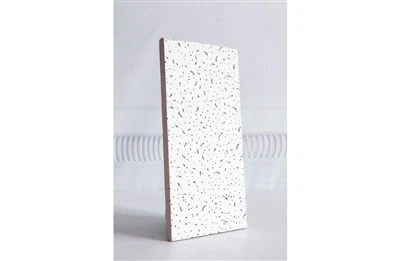
In the realm of construction materials, PVC gypsum board has emerged as a popular choice due to its versatility, affordability, and aesthetic appeal. As a supplier of PVC gypsum board, I am constantly exploring ways to enhance its performance, especially in terms of energy efficiency. In this blog post, I will share some insights and strategies on how to make PVC gypsum board more energy - efficient, which not only benefits the environment but also offers long - term cost savings for end - users.
Understanding the Basics of Energy Efficiency in PVC Gypsum Board
Before delving into the methods of improving energy efficiency, it is essential to understand how PVC gypsum board interacts with energy in a building. Energy efficiency in building materials is primarily concerned with reducing heat transfer, which can occur through conduction, convection, and radiation. PVC gypsum board, by its nature, has certain thermal properties that can be optimized.
The gypsum core in PVC gypsum board has a relatively low thermal conductivity compared to some other building materials. However, the overall energy efficiency of the board can be affected by factors such as its thickness, density, and the presence of any insulating layers. Additionally, the installation method and the surrounding environment also play crucial roles in determining how well the board can retain or resist heat.
Improving the Thermal Insulation of PVC Gypsum Board
One of the most effective ways to make PVC gypsum board more energy - efficient is to enhance its thermal insulation properties. There are several approaches to achieving this:
Adding Insulating Layers
Integrating insulating materials within the PVC gypsum board can significantly improve its thermal performance. For example, adding a layer of expanded polystyrene (EPS) or polyurethane foam between the PVC facing and the gypsum core can create a barrier that reduces heat transfer. These insulating materials have low thermal conductivity, which means they can prevent heat from easily passing through the board.
When choosing an insulating layer, it is important to consider factors such as its fire resistance, moisture resistance, and environmental impact. EPS is a popular choice due to its lightweight nature, good insulation properties, and relatively low cost. Polyurethane foam, on the other hand, offers even better insulation performance but may be more expensive.
Increasing the Thickness of the Board
Thicker PVC gypsum boards generally have better thermal insulation capabilities. By increasing the thickness of the gypsum core or adding additional layers, the board can provide a greater resistance to heat flow. However, it is important to strike a balance, as increasing the thickness too much may also increase the weight of the board, which can pose challenges during installation and may require additional structural support.
Using High - Density Gypsum
High - density gypsum has better thermal properties compared to low - density gypsum. By using high - density gypsum in the production of PVC gypsum board, we can improve its ability to resist heat transfer. High - density gypsum also offers better sound insulation, which is an added benefit in many building applications.
Enhancing the Air Sealing of PVC Gypsum Board Installations
Another important aspect of energy efficiency is air sealing. Air leakage can significantly reduce the energy performance of a building, as it allows heat to escape or enter through gaps and cracks. When installing PVC gypsum board, proper air sealing techniques should be employed:
Sealing Joints and Edges
During installation, it is crucial to seal the joints and edges of the PVC gypsum board properly. This can be done using high - quality sealants that are specifically designed for building applications. Sealing the joints not only prevents air leakage but also helps to improve the overall structural integrity of the installation.
Insulating Around Penetrations
Penetrations such as electrical outlets, pipes, and vents can create pathways for air leakage. To address this issue, insulating materials should be used to fill the gaps around these penetrations. For example, fire - resistant foam can be used to seal around electrical boxes, while flexible insulation can be wrapped around pipes.
Ensuring a Tight Fit
When installing PVC gypsum board, it is important to ensure a tight fit between the boards and the surrounding structures. This can be achieved by using proper installation techniques and tools. For example, using a level and a straight edge to ensure that the boards are installed evenly and without gaps.
Optimizing the Surface Properties of PVC Gypsum Board
The surface properties of PVC gypsum board can also have an impact on its energy efficiency. By optimizing the surface, we can reduce heat gain or loss through radiation:
Using Reflective Coatings
Applying a reflective coating to the surface of the PVC gypsum board can help to reduce heat absorption. Reflective coatings work by reflecting a significant portion of the solar radiation that hits the board, rather than absorbing it. This can be particularly beneficial in hot climates, where reducing heat gain can lead to significant energy savings.
Improving the Emissivity of the Surface
Emissivity refers to the ability of a surface to emit thermal radiation. By reducing the emissivity of the PVC gypsum board surface, we can reduce the amount of heat that is radiated from the board. This can be achieved by using materials or coatings with low emissivity values.
Incorporating Smart Technologies
In today's digital age, smart technologies can be integrated into PVC gypsum board to enhance its energy efficiency. For example, sensors can be embedded in the board to monitor temperature, humidity, and air quality. These sensors can be connected to a building automation system, which can adjust the heating, ventilation, and air - conditioning (HVAC) systems based on the real - time data.
Another smart technology that can be incorporated is phase - change materials (PCMs). PCMs can absorb and release heat at specific temperatures, which can help to regulate the temperature within a building. By incorporating PCMs into the PVC gypsum board, we can reduce the need for constant heating and cooling, thereby saving energy.
Conclusion
As a supplier of PVC gypsum board, I am committed to providing products that are not only of high quality but also energy - efficient. By implementing the strategies outlined in this blog post, we can make PVC gypsum board a more sustainable and cost - effective choice for construction projects.
Whether you are an architect, a contractor, or a building owner, if you are interested in learning more about our energy - efficient PVC gypsum board products, I encourage you to contact us for a detailed discussion. We can provide you with samples, technical specifications, and cost estimates to help you make an informed decision. Let's work together to create more energy - efficient buildings and a greener future.
References
- "Building Materials and Technology in Tropical Africa" by H. J. G. Eggleston.
- "Thermal Insulation Materials and Systems" by M. P. D. Pilon.
- "Energy - Efficient Building Design" by John E. Krigger.