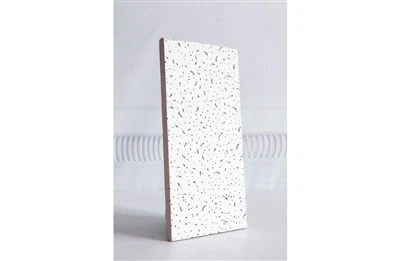
Hey there! As a supplier of colored mineral fiber ceiling boards, I've seen my fair share of issues, and one of the most common problems is ceiling board sagging. It's not only an eyesore but can also be a sign of potential structural problems. In this blog post, I'm gonna share some tips on how to prevent colored mineral fiber ceiling boards from sagging.
Understanding the Causes of Sagging
Before we dive into the prevention methods, it's important to understand why ceiling boards sag in the first place. There are several factors that can contribute to this problem:


- Moisture: Mineral fiber ceiling boards are porous, which means they can absorb moisture from the air. When the boards absorb too much moisture, they can become heavy and start to sag. This is especially common in areas with high humidity, such as bathrooms, kitchens, and basements.
- Improper Installation: If the ceiling boards are not installed correctly, they may not be properly supported, which can cause them to sag over time. This can happen if the boards are not attached to the ceiling joists securely or if the spacing between the joists is too wide.
- Overloading: If the ceiling boards are overloaded with heavy objects, such as lighting fixtures or HVAC equipment, they can start to sag. This is why it's important to make sure that the weight of any objects attached to the ceiling is evenly distributed and within the recommended load capacity of the boards.
- Aging: Like any other building material, colored mineral fiber ceiling boards can deteriorate over time. As the boards age, they may become weaker and more prone to sagging.
Prevention Methods
Now that we know the causes of sagging, let's take a look at some prevention methods that can help keep your colored mineral fiber ceiling boards in good condition:
1. Control Moisture Levels
- Use a Dehumidifier: In areas with high humidity, using a dehumidifier can help reduce the moisture content in the air and prevent the ceiling boards from absorbing too much moisture. Make sure to set the dehumidifier to the appropriate humidity level (usually between 30% and 50%) and empty the water reservoir regularly.
- Ventilate Properly: Proper ventilation is essential for preventing moisture buildup in your home or building. Make sure that your bathrooms, kitchens, and other areas with high moisture levels are equipped with exhaust fans that are vented to the outside. You can also open windows and doors to allow fresh air to circulate.
- Seal Leaks: Check your ceiling for any leaks or water damage and repair them immediately. Leaks can cause moisture to seep into the ceiling boards and lead to sagging. Make sure to seal any cracks or holes in the ceiling with caulk or other appropriate sealants.
2. Ensure Proper Installation
- Follow Manufacturer's Instructions: When installing colored mineral fiber ceiling boards, it's important to follow the manufacturer's instructions carefully. This includes using the recommended fasteners, spacing the joists correctly, and ensuring that the boards are properly supported.
- Use a Professional Installer: If you're not confident in your ability to install the ceiling boards yourself, it's a good idea to hire a professional installer. A professional installer will have the experience and expertise to ensure that the boards are installed correctly and that they are properly supported.
- Inspect the Installation: After the ceiling boards are installed, it's important to inspect the installation to make sure that everything is in good condition. Check for any loose or damaged boards, and make sure that the fasteners are secure.
3. Avoid Overloading
- Distribute Weight Evenly: When attaching objects to your ceiling, such as lighting fixtures or HVAC equipment, make sure that the weight is evenly distributed. Avoid placing heavy objects in one area of the ceiling, as this can cause the boards to sag.
- Check the Load Capacity: Before attaching any objects to your ceiling, make sure that the weight of the objects is within the recommended load capacity of the boards. You can find this information in the manufacturer's instructions or by contacting the manufacturer directly.
- Use Support Brackets: If you need to attach heavy objects to your ceiling, consider using support brackets to help distribute the weight evenly. Support brackets can help prevent the boards from sagging and ensure that the objects are securely attached to the ceiling.
4. Maintain the Ceiling Boards
- Clean Regularly: Regular cleaning can help prevent dirt and debris from accumulating on the ceiling boards, which can make them heavier and more prone to sagging. Use a soft brush or vacuum cleaner to remove any dust or dirt from the boards, and avoid using harsh chemicals or abrasive cleaners.
- Inspect Regularly: It's a good idea to inspect your ceiling boards regularly for any signs of damage or sagging. Check for any cracks, holes, or water stains, and make sure that the boards are still securely attached to the ceiling. If you notice any problems, make sure to address them immediately.
- Replace Damaged Boards: If you find any damaged or sagging ceiling boards, it's important to replace them as soon as possible. Damaged boards can weaken the structure of the ceiling and lead to further problems. Make sure to use the same type and color of boards as the original ones to ensure a seamless appearance.
Recommended Products
At our company, we offer a wide range of colored mineral fiber ceiling boards that are designed to be durable, attractive, and easy to install. Here are some of our recommended products:
- Mineral Fiber Ceiling Boards & Tiles: These boards are made from high-quality mineral fiber and are available in a variety of colors and textures. They are designed to be lightweight, easy to install, and resistant to moisture and fire.
- Square Colors Mineral Fiber Board: These boards feature a unique square pattern and are available in a range of colors. They are perfect for adding a modern and stylish touch to your home or building.
- Tegular Sand Mineral Fiber Board: These boards have a textured surface that resembles sand and are available in a variety of colors. They are ideal for creating a natural and rustic look in your home or building.
Conclusion
Preventing colored mineral fiber ceiling boards from sagging is essential for maintaining the appearance and structural integrity of your home or building. By controlling moisture levels, ensuring proper installation, avoiding overloading, and maintaining the ceiling boards, you can help keep your ceiling looking great for years to come.
If you're interested in purchasing colored mineral fiber ceiling boards or have any questions about preventing sagging, please don't hesitate to contact us. We'd be happy to help you find the right products for your needs and provide you with expert advice and support.
References
- Building Construction Handbook
- Manufacturer's Instructions for Colored Mineral Fiber Ceiling Boards