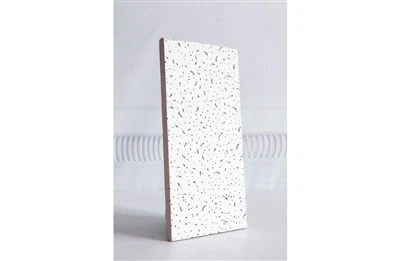
Hey there! I'm a supplier of mineral fiber boards, and I know firsthand how important it is to transport these boards safely. Mineral fiber boards are widely used in construction for their great properties like fire resistance, sound insulation, and thermal insulation. But they can be a bit delicate during transportation. So, in this blog, I'll share some tips on how to transport mineral fiber boards safely.
1. Packaging is Key
Before you even think about loading the boards onto a vehicle, you need to make sure they're properly packaged. Good packaging acts as a shield, protecting the boards from scratches, dents, and moisture.
- Use Strong Cartons: Opt for high - quality cardboard cartons that are specifically designed to hold mineral fiber boards. These cartons should be sturdy enough to withstand the weight of the boards and any minor impacts during transit. You can find some great options at MINERAL FIBER TILES FACTORY. They offer a range of packaging solutions that are both durable and cost - effective.
- Add Cushioning: Inside the cartons, add some cushioning materials like bubble wrap or foam inserts. This will help absorb any shocks that the boards might experience during transportation. Place the boards carefully in the cartons, making sure they're snug but not overcrowded.
- Seal the Cartons Properly: Use strong packing tape to seal the cartons. Make sure all the edges are well - sealed to prevent any moisture from getting in. Moisture can damage the mineral fiber boards, reducing their effectiveness and lifespan.
2. Loading the Boards
Once the boards are packaged, it's time to load them onto the transport vehicle. This step requires careful planning and execution to avoid any damage.


- Use the Right Equipment: Depending on the size and weight of the boards, use appropriate loading equipment such as forklifts or pallet jacks. Make sure the equipment is in good working condition and that the operators are trained to handle the boards safely.
- Stack the Boards Correctly: When stacking the cartons on the vehicle, stack them in a stable and even manner. Avoid stacking them too high, as this can make the load unstable and increase the risk of toppling over. Also, make sure to leave some space between the stacks for ventilation.
- Secure the Load: Use straps or ropes to secure the load to the vehicle. This will prevent the boards from shifting during transit, which can cause damage. Check the straps regularly during the journey to make sure they're still tight.
3. Choosing the Right Transport Vehicle
The type of vehicle you choose for transporting mineral fiber boards can have a big impact on their safety.
- Consider the Size of the Load: Select a vehicle that is large enough to accommodate the entire load without overcrowding. A too - small vehicle can lead to the boards being squeezed together, increasing the risk of damage.
- Look for a Vehicle with Good Protection: Choose a vehicle that has a covered trailer to protect the boards from the elements. If possible, look for a vehicle with climate control to maintain a stable temperature and humidity level inside the trailer. This is especially important for transporting NOISE REDUCTION MINERAL FIBER CEILING TILE, as they can be sensitive to environmental conditions.
- Check the Vehicle's Condition: Before loading the boards, inspect the vehicle for any signs of damage or wear. Make sure the tires are in good condition, the brakes are working properly, and the suspension is stable.
4. During Transit
Once the boards are on the road, there are still some things you need to do to ensure their safety.
- Monitor the Temperature and Humidity: If the vehicle has climate control, monitor the temperature and humidity levels regularly. Keep them within the recommended range for mineral fiber boards. If the vehicle doesn't have climate control, try to choose a route that avoids extreme weather conditions.
- Take Breaks and Check the Load: During long journeys, take regular breaks to check the load. Make sure the straps are still tight and that the boards haven't shifted. If you notice any issues, stop and fix them immediately.
- Drive Carefully: The driver should drive carefully, avoiding sudden stops, starts, and turns. This will reduce the stress on the load and minimize the risk of damage.
5. Unloading the Boards
When you reach the destination, it's time to unload the boards. This step is just as important as loading and transporting them.
- Use the Right Equipment: Just like when loading, use appropriate unloading equipment such as forklifts or pallet jacks. Make sure the operators are trained to handle the boards safely.
- Unload the Boards Slowly: Take your time when unloading the boards. Avoid dropping or throwing them, as this can cause damage. Place the boards in a safe and dry area at the destination.
- Inspect the Boards: After unloading, inspect the boards for any signs of damage. If you find any damaged boards, document them and contact the relevant parties immediately.
Conclusion
Transporting mineral fiber boards safely requires careful planning and attention to detail. From proper packaging to careful unloading, every step plays a crucial role in ensuring that the boards arrive at their destination in good condition.
If you're in the market for high - quality mineral fiber boards like Tegular Sand Hole Mineral Fiber Board, or if you have any questions about transporting them safely, don't hesitate to reach out. We're here to help you with all your mineral fiber board needs. Whether you're a contractor, a builder, or a DIY enthusiast, we can provide you with the best products and advice. So, let's start a conversation and see how we can work together!
References
- Building Materials Handbook: A comprehensive guide on the properties and handling of various building materials, including mineral fiber boards.
- Transportation Safety Guidelines for Construction Materials: A set of industry - standard guidelines for safely transporting construction materials.