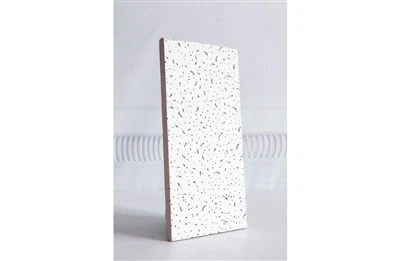
As a seasoned supplier of sand hole mineral fiber boards, I understand the criticality of proper transportation in maintaining the quality and integrity of these products. In this blog, I'll share some insights and best practices on how to transport sand hole mineral fiber boards effectively.
Understanding the Nature of Sand Hole Mineral Fiber Boards
Before delving into the transportation methods, it's essential to understand the characteristics of sand hole mineral fiber boards. These boards are typically made from mineral fibers, which offer excellent insulation, fire resistance, and acoustic properties. However, they are also relatively fragile and can be easily damaged if not handled properly.
The sand holes in the boards are designed to enhance their aesthetic appeal and acoustic performance. But these holes can also make the boards more susceptible to chipping and breakage during transportation. Therefore, special care must be taken to ensure that the boards arrive at their destination in pristine condition.
Pre - transportation Preparation
Inspection
Before loading the boards onto the transport vehicle, a thorough inspection is necessary. Check for any visible defects such as cracks, chips, or uneven surfaces. Any damaged boards should be set aside and not included in the shipment. This not only ensures that the customer receives high - quality products but also helps in avoiding disputes during delivery.
Packaging
Proper packaging is the first line of defense in protecting sand hole mineral fiber boards during transportation. Use high - quality packaging materials such as cardboard boxes, foam inserts, and shrink - wrap. The boxes should be of appropriate size to fit the boards snugly, reducing the movement inside the box. Foam inserts can be placed between the boards to prevent them from rubbing against each other and causing damage. Shrink - wrap can be used to secure the boxes and provide an additional layer of protection against moisture and dust.
Labeling
Each package should be clearly labeled with essential information such as the product name, size, quantity, and handling instructions. The handling instructions should include warnings about the fragile nature of the boards and the recommended way to lift and stack them. This helps the transport personnel to handle the packages correctly and reduces the risk of damage.
Choosing the Right Transport Mode
Road Transport
Road transport is one of the most common ways to transport sand hole mineral fiber boards, especially for short - to medium - distance deliveries. Trucks offer flexibility in terms of delivery schedules and can reach almost any destination. When choosing a truck for transportation, consider the following factors:
- Vehicle Condition: Ensure that the truck is in good mechanical condition. Check the suspension, brakes, and tires to prevent any jolts or vibrations during the journey that could damage the boards.
- Loading Capacity: Select a truck with an appropriate loading capacity. Overloading can cause the boards to shift and break during transit. Make sure to distribute the weight evenly across the truck bed.
- Weather Protection: If the journey involves exposure to adverse weather conditions, choose a truck with a covered body or use tarpaulins to protect the boards from rain, snow, and sunlight.
Rail Transport
For long - distance transportation, rail transport can be a cost - effective option. Trains can carry large volumes of sand hole mineral fiber boards at once. However, there are some considerations:
- Handling at Terminals: The boards may need to be transferred between different modes of transport at rail terminals. Ensure that proper handling equipment and procedures are in place to minimize the risk of damage during these transfers.
- Vibration and Shock: Trains can generate significant vibrations and shocks during the journey. Adequate cushioning and securing of the packages are necessary to protect the boards.
Sea Transport
If the destination is overseas, sea transport may be required. Shipping containers are commonly used for transporting sand hole mineral fiber boards by sea.
- Container Selection: Choose a clean, dry, and undamaged shipping container. Inspect the container for any signs of rust, leaks, or structural damage before loading the boards.
- Stowage: Inside the container, the packages should be stowed carefully to prevent them from shifting during the voyage. Use dunnage and securing materials to keep the packages in place.
Loading and Unloading
Loading
- Proper Lifting Equipment: Use appropriate lifting equipment such as forklifts or cranes to load the packages onto the transport vehicle. The lifting equipment should be operated by trained personnel to ensure safe and efficient loading.
- Stacking: Stack the packages in a stable and secure manner. Place heavier packages at the bottom and lighter ones on top. Avoid over - stacking, as it can cause the lower packages to be crushed.
- Securing: Once the packages are loaded, secure them using straps, ropes, or other securing devices. This prevents the packages from moving during transit.
Unloading
- Gentle Handling: During unloading, the same level of care should be taken as during loading. Use gentle handling techniques to avoid dropping or knocking the packages.
- Inspection on Unloading: Immediately after unloading, inspect the boards for any damage. If any damage is found, document it and notify the relevant parties such as the transport company and the customer.
Monitoring During Transportation
Real - time Tracking
Use real - time tracking systems to monitor the location and condition of the shipment. This allows you to keep an eye on the progress of the delivery and address any issues promptly. Some tracking systems can also provide information about temperature, humidity, and vibration levels inside the transport vehicle, which is crucial for ensuring the quality of the sand hole mineral fiber boards.


Communication
Maintain regular communication with the transport company. Keep them informed about any special requirements or concerns regarding the shipment. In case of delays or unexpected situations, the transport company can provide timely updates and work with you to find solutions.
Conclusion
Transporting sand hole mineral fiber boards requires careful planning and attention to detail. By understanding the nature of the boards, preparing them properly for transportation, choosing the right transport mode, and following proper loading, unloading, and monitoring procedures, you can ensure that the boards reach their destination in excellent condition.
If you are interested in our Square Sand Mineral Fiber Board, Mineral Fiber Board, or Mineral Fiber Board, Mineral Wool Ceiling Tiles, please feel free to contact us for further information and to discuss your procurement needs. We are committed to providing high - quality products and reliable transportation services to meet your requirements.
References
- Building Materials Handbook: A comprehensive guide on the properties and handling of various building materials.
- Transportation Best Practices Manual: A collection of industry - recognized methods for transporting fragile and sensitive goods.