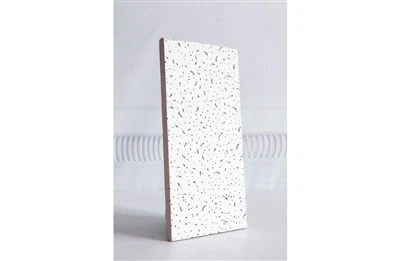
Hey there! I'm a supplier of square pinhole mineral fiber tiles, and I know how crucial it is to transport these tiles safely. In this blog, I'll share some tips and tricks that I've picked up over the years to ensure your square pinhole mineral fiber tiles arrive at their destination in perfect condition.
Understanding the Nature of Square Pinhole Mineral Fiber Tiles
First things first, let's talk about what square pinhole mineral fiber tiles are. These tiles are made from mineral fibers, which are known for their excellent acoustic and fire - resistant properties. They have a square shape with pinhole patterns, which not only add to their aesthetic appeal but also contribute to their sound - absorbing capabilities.
However, these tiles are also relatively fragile. The mineral fibers can be easily damaged if they're not handled properly. The pinhole patterns can also be affected by rough handling, which might reduce the tile's overall functionality and appearance. So, when it comes to transporting them, we need to be extra careful.


Pre - Transport Preparation
Inspection
Before you even think about packing the tiles for transport, you need to inspect them thoroughly. Check for any visible cracks, chips, or other damages. If you find any defective tiles, set them aside. You don't want to waste time and resources packing and transporting tiles that are already in bad shape.
Cleaning
Clean the tiles to remove any dust or debris. A clean tile is less likely to get damaged during transport. You can use a soft brush or a gentle vacuum cleaner to clean the surface of the tiles.
Packaging
Proper packaging is the key to safe transport. I recommend using high - quality cardboard boxes specifically designed for tile transport. The boxes should be sturdy enough to withstand the weight of the tiles and any external pressure during transit.
Place a layer of bubble wrap or foam padding at the bottom of the box. Then, stack the tiles carefully in the box, making sure they're arranged neatly and there's no movement between them. You can use dividers or additional padding to separate the tiles and prevent them from rubbing against each other.
Once the tiles are in the box, fill any empty spaces with more padding material. This will prevent the tiles from shifting during transport. Seal the box tightly with strong packing tape.
Choosing the Right Transport Method
Local Delivery
If you're delivering the tiles locally, a small truck or van might be a good option. Make sure the vehicle is clean and dry. You can use straps or ropes to secure the boxes of tiles in the vehicle. This will prevent them from moving around during the journey.
Long - Distance Transport
For long - distance transport, you might want to consider using a professional freight carrier. Look for a carrier with a good reputation for handling fragile goods. They should have experience in transporting building materials like mineral fiber tiles.
When working with a freight carrier, make sure you provide them with clear instructions on how to handle the tiles. Let them know that the tiles are fragile and need to be treated with care. You can also ask for insurance coverage for the shipment to protect yourself in case of any damages.
Loading and Unloading
Loading
When loading the tiles onto the vehicle, be very careful. Lift the boxes gently and place them in the vehicle in an orderly manner. Avoid dropping or throwing the boxes, as this can cause damage to the tiles inside.
If you're using a forklift to load the boxes, make sure the forks are properly positioned to avoid puncturing or damaging the boxes.
Unloading
Unloading is just as important as loading. Again, handle the boxes gently. Inspect the boxes for any signs of damage during the journey. If you notice any damaged boxes, open them carefully to check the condition of the tiles inside.
Storage at the Destination
Once the tiles arrive at their destination, they need to be stored properly. Find a dry and clean storage area. The tiles should be stored in a horizontal position to prevent warping.
Stack the boxes of tiles on a flat surface. Make sure the stack is stable and won't topple over. If possible, cover the stack with a plastic sheet to protect the tiles from dust and moisture.
Additional Tips
Temperature and Humidity
Mineral fiber tiles can be affected by extreme temperature and humidity. Try to transport and store the tiles in an environment with moderate temperature and humidity levels. High humidity can cause the tiles to absorb moisture, which might lead to warping or mold growth.
Documentation
Keep detailed documentation of the transport process. This includes the inspection reports, packing lists, and any communication with the transport carrier. In case of any disputes or claims, this documentation will be very useful.
Related Products
If you're interested in other types of mineral fiber products, you might want to check out our Square Colors Mineral Fiber Board, Mineral Fiber Ceiling, and Tegular Fine Fissure Mineral Fiber Board. These products also offer great acoustic and aesthetic benefits.
Conclusion
Transporting square pinhole mineral fiber tiles safely requires careful planning and attention to detail. By following the tips I've shared in this blog, you can minimize the risk of damage during transport and ensure that your customers receive high - quality tiles.
If you're interested in purchasing our square pinhole mineral fiber tiles or have any questions about the transport process, feel free to reach out. We're always happy to help you with your tile needs.
References
- Building Materials Transport Handbook
- Mineral Fiber Product Manufacturer's Guidelines