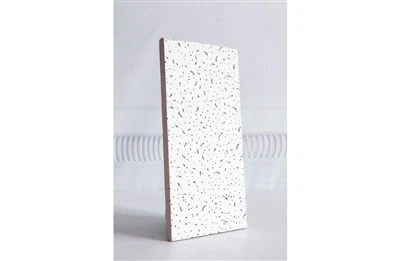
As a supplier of pinhole mineral fiber boards, I understand that while these boards have numerous advantages, it's essential to be transparent about their potential disadvantages. In this blog post, I'll delve into some of the drawbacks associated with pinhole mineral fiber boards to provide a comprehensive view for potential customers.
1. Limited Aesthetic Appeal
One of the primary disadvantages of pinhole mineral fiber boards is their relatively limited aesthetic appeal. The pinhole design, while it may serve functional purposes such as improving acoustic performance, can give the boards a somewhat industrial or utilitarian look. This may not be suitable for environments where a more elegant or refined appearance is desired, such as high - end offices, luxury hotels, or upscale residential spaces.
In comparison to other ceiling materials like gypsum boards or wooden panels, pinhole mineral fiber boards lack the smooth and seamless finish that can enhance the overall visual appeal of a room. The pinholes, which are visible to the naked eye, can be a distraction and may not align with the design aesthetic of certain projects. For instance, in a modern minimalist interior, the pinhole pattern might seem out of place and disrupt the clean lines and simplicity of the design.
If you're interested in exploring other options with better aesthetic qualities, you can check out our Tegular Fine Fissure Mineral Fiber Board, which offers a different texture and appearance.
2. Susceptibility to Moisture Damage
Pinhole mineral fiber boards are relatively porous due to the presence of the pinholes. This porosity makes them more susceptible to moisture absorption compared to some other ceiling materials. When exposed to high levels of humidity or direct water contact, the boards can absorb moisture, which can lead to several problems.
Moisture absorption can cause the boards to swell, warp, or lose their structural integrity. This not only affects the appearance of the ceiling but also compromises its functionality. For example, in a bathroom or a kitchen where there is a lot of steam and moisture, pinhole mineral fiber boards may start to show signs of damage over time. The swelling can cause the boards to buckle, creating an uneven surface and potentially leading to cracks.
In addition, moisture - damaged boards can become a breeding ground for mold and mildew. Mold and mildew not only pose a health risk to the occupants of the building but also further deteriorate the condition of the boards. To prevent moisture damage, proper ventilation and moisture control measures need to be in place. However, in some cases, these measures may not be sufficient, and the boards may still be at risk.
If you're considering using mineral fiber boards in a high - moisture environment, you might want to explore our Mineral Fiber Board options that have better moisture - resistant properties.
3. Installation Complexity
Installing pinhole mineral fiber boards can be more complex compared to some other ceiling materials. The pinhole design requires careful handling during installation to ensure that the boards are properly aligned and the pinholes are not damaged. Any damage to the pinholes can affect the acoustic performance of the boards.


The boards also need to be installed with precision to achieve a seamless and uniform appearance. This often requires skilled labor, which can increase the installation cost. In addition, the installation process may take longer compared to simpler ceiling materials, which can cause delays in the construction or renovation project.
For example, if the boards are not installed correctly, there may be gaps between the boards, which can not only affect the visual appearance but also reduce the acoustic effectiveness. Moreover, the weight of the pinhole mineral fiber boards can make them more difficult to handle during installation, especially in large - scale projects.
4. Acoustic Performance Limitations
While pinhole mineral fiber boards are known for their acoustic properties, they do have some limitations. The pinhole design is intended to absorb sound waves and reduce echo in a room. However, in some cases, the acoustic performance may not be as effective as expected.
The effectiveness of the acoustic absorption depends on several factors, such as the size and spacing of the pinholes, the thickness of the board, and the frequency of the sound waves. In rooms with very high - frequency sounds or complex acoustic environments, the pinhole mineral fiber boards may not provide sufficient sound absorption.
For instance, in a recording studio or a concert hall, where precise acoustic control is required, the pinhole mineral fiber boards may not be able to meet the high - end acoustic standards. In these cases, more specialized acoustic materials may be needed.
5. Durability Concerns
Pinhole mineral fiber boards may not be as durable as some other ceiling materials. The porous nature of the boards makes them more vulnerable to physical damage. For example, they can be easily scratched or dented during normal use or during cleaning.
In addition, over time, the boards may start to deteriorate due to factors such as aging, exposure to environmental pollutants, and normal wear and tear. The pinholes can also collect dust and debris, which can be difficult to clean and may further contribute to the deterioration of the boards.
If you're looking for a more durable option, you can consider our Tegular Pinhole Mineral Fiber Board, which is designed to offer better durability in certain applications.
Conclusion
While pinhole mineral fiber boards have their place in the construction industry, it's important to be aware of their disadvantages. The limited aesthetic appeal, susceptibility to moisture damage, installation complexity, acoustic performance limitations, and durability concerns are all factors that need to be considered when choosing a ceiling material.
However, it's important to note that these disadvantages can be mitigated through proper selection, installation, and maintenance. As a supplier, we are committed to providing our customers with the best advice and solutions to meet their specific needs. If you have any questions or would like to discuss your project requirements, we encourage you to contact us for a detailed consultation. We can help you determine whether pinhole mineral fiber boards are the right choice for your project or recommend alternative materials if necessary.
References
- Building Materials Handbook, 2023 Edition
- Acoustic Engineering Principles for Interior Spaces, 2022
- Moisture Management in Construction, 2021