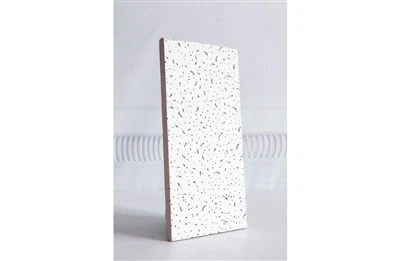
As a supplier of sand hole mineral fiber boards, I've witnessed firsthand the growing popularity of these products in the construction and interior design industries. Their unique aesthetic appeal, combined with certain functional benefits, has made them a go - to choice for many projects. However, it's important to present a balanced view, and in this blog, I'll delve into the disadvantages of sand hole mineral fiber boards.
1. Durability Concerns
One of the primary drawbacks of sand hole mineral fiber boards is their relatively low durability compared to some other building materials. These boards are often more susceptible to physical damage. For instance, they can be easily scratched or dented during handling, installation, or normal use. A minor impact from a tool or a sharp object can leave a visible mark on the surface of the board, which not only affects its appearance but also potentially compromises its structural integrity over time.
In high - traffic areas, such as commercial hallways or public buildings, the risk of damage is even higher. People moving furniture, equipment, or simply brushing against the walls or ceilings covered with sand hole mineral fiber boards can cause abrasions. Unlike materials like metal or solid wood, sand hole mineral fiber boards do not have the same level of resistance to wear and tear. This means that in the long run, they may require more frequent replacement or repair, which can add to the overall cost of a project.
2. Limited Moisture Resistance
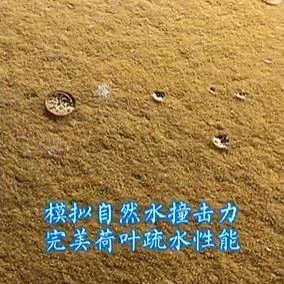
Another significant disadvantage is the limited moisture resistance of sand hole mineral fiber boards. Mineral fiber is a porous material, and the sand holes on the surface further increase its porosity. When exposed to high humidity or direct contact with water, these boards can absorb moisture. Once moisture is absorbed, it can lead to a series of problems.
Firstly, the boards may start to warp or deform. The expansion and contraction caused by the absorption and evaporation of moisture can cause the board to lose its flatness, which is crucial for a smooth and aesthetically pleasing finish. Secondly, moisture - laden boards are more prone to mold and mildew growth. Mold not only looks unsightly but can also pose health risks, especially for people with respiratory problems or allergies.
In areas with high moisture levels, such as bathrooms, kitchens, or basements, sand hole mineral fiber boards may not be the best choice. Even in moderately humid environments, proper ventilation and moisture - control measures need to be in place to prevent damage to the boards. For example, if a building's ventilation system fails or there is a water leak, the sand hole mineral fiber boards can quickly become damaged.

3. Aesthetic Limitations
While sand hole mineral fiber boards have a unique and rustic look that appeals to some, they also have aesthetic limitations. The sand holes, which are a defining feature of these boards, may not be suitable for all design styles. In modern, minimalist interiors, the uneven and porous surface of sand hole mineral fiber boards may clash with the clean - lined and smooth aesthetic.
Moreover, the color options for sand hole mineral fiber boards are relatively limited. Most of these boards come in natural or earth - tone colors, which may not match the color scheme of every project. If a designer wants a bright or bold color for a particular space, sand hole mineral fiber boards may not be able to meet that requirement without additional and potentially costly finishing treatments.
4. Sound Insulation Variability
Sand hole mineral fiber boards are often promoted for their acoustic properties. However, their sound insulation performance can be quite variable. The effectiveness of sound insulation depends on several factors, including the density of the board, the size and distribution of the sand holes, and the installation method.
In some cases, the sand holes may actually reduce the sound - blocking ability of the board. If the holes are too large or too closely spaced, sound waves can pass through more easily, reducing the overall acoustic performance. Additionally, the installation of these boards needs to be precise to ensure proper sound insulation. Any gaps or improper sealing during installation can significantly compromise the sound - blocking capabilities of the boards.
5. Environmental Impact
From an environmental perspective, sand hole mineral fiber boards also have some disadvantages. The production of these boards typically involves energy - intensive processes, which contribute to greenhouse gas emissions. Additionally, the raw materials used in the manufacturing of mineral fiber boards, such as rock wool or slag wool, may require significant mining and processing, which can have a negative impact on the environment.
Moreover, at the end of their lifespan, sand hole mineral fiber boards are not always easy to recycle. The complex composition of the boards, including the binding agents and additives used, makes recycling a challenging process. In many cases, these boards end up in landfills, where they take up space and may release harmful substances over time.
Conclusion
Despite these disadvantages, sand hole mineral fiber boards still have their place in the market. They can be a cost - effective option for certain projects, especially those where the unique aesthetic is desired and the environmental and performance requirements are not too stringent. However, it's important for customers to be aware of these drawbacks before making a decision.
If you're considering using sand hole mineral fiber boards for your project, it's crucial to carefully evaluate your needs and the specific conditions of the space. For different design requirements, we also offer other types of mineral fiber boards, such as Tegular Fine Fissure Mineral Fiber Board, Square Pinhole Mineral Fiber Board, and Dampproof Acoustic Mineral Fiber Ceiling Board, which may offer better performance in certain aspects.
If you have any questions or would like to discuss your project in more detail, we're here to help. Contact us to learn more about our products and how they can meet your specific needs. We look forward to the opportunity to work with you on your next project.
References
- Building Materials Handbook: A Comprehensive Guide to Construction Materials, 3rd Edition
- Journal of Building and Construction Research, Volume 15, Issue 2
- Environmental Impact Assessment of Mineral Fiber Products, published by the Institute of Sustainable Building Materials