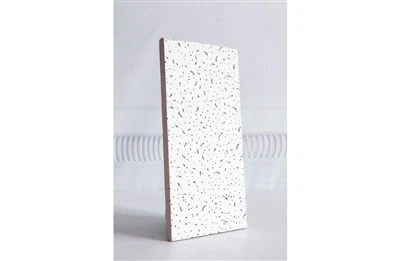
As a supplier of pinhole mineral fiber boards, I understand the importance of quality standards in the construction and interior design industries. Pinhole mineral fiber boards are widely used for ceiling and wall applications due to their excellent acoustic performance, fire resistance, and aesthetic appeal. In this blog post, I will discuss the key quality standards for pinhole mineral fiber boards and why they matter.


Physical Properties
Density
The density of a pinhole mineral fiber board is a crucial factor that affects its strength, durability, and acoustic performance. A higher density board generally offers better strength and sound absorption capabilities. The standard density for pinhole mineral fiber boards typically ranges from 300 to 600 kg/m³. Boards with a density within this range strike a good balance between structural integrity and acoustic efficiency. For example, a board with a density of around 450 kg/m³ can effectively reduce noise transmission while still being lightweight enough for easy installation.
Thickness
The thickness of the board also plays a significant role in its performance. Pinhole mineral fiber boards are available in various thicknesses, usually ranging from 6 mm to 25 mm. Thicker boards are often used in areas where higher levels of sound insulation are required, such as recording studios or theaters. Thinner boards, on the other hand, may be suitable for general residential or commercial applications where space is limited. It is important to choose the appropriate thickness based on the specific requirements of the project.
Size
Standard sizes for pinhole mineral fiber boards are typically 600 x 600 mm, 600 x 1200 mm, or 1200 x 1200 mm. These sizes are designed to fit common ceiling grid systems, making installation easier and more efficient. However, custom sizes can also be produced to meet the unique needs of a project. When selecting the size of the board, it is essential to consider the layout of the space and the type of ceiling grid being used.
Acoustic Performance
Noise Reduction Coefficient (NRC)
The Noise Reduction Coefficient (NRC) is a measure of a material's ability to absorb sound. It is expressed as a number between 0 and 1, with a higher NRC indicating better sound absorption. For pinhole mineral fiber boards, a high NRC is desirable, especially in spaces where noise control is a priority. A good quality pinhole mineral fiber board should have an NRC of at least 0.70, which means it can absorb 70% of the sound that hits it. This level of sound absorption can significantly reduce echo and reverberation in a room, creating a more comfortable and productive environment.
Sound Transmission Class (STC)
The Sound Transmission Class (STC) is another important acoustic rating that measures a material's ability to block sound from passing through it. It is used to evaluate the effectiveness of a partition or ceiling in reducing the transmission of airborne noise. Pinhole mineral fiber boards with a high STC rating are ideal for separating noisy areas from quiet areas, such as offices from conference rooms or bedrooms from living rooms. A typical STC rating for pinhole mineral fiber boards ranges from 30 to 50, with higher ratings indicating better sound isolation.
Fire Resistance
Fire Rating
Fire resistance is a critical quality standard for pinhole mineral fiber boards, especially in commercial and public buildings. These boards are often required to meet specific fire safety regulations. Pinhole mineral fiber boards are typically classified as Class A fire-rated materials, which means they have excellent fire resistance and can help prevent the spread of fire. Class A materials have a flame spread index of 0 to 25 and a smoke-developed index of 0 to 450. This high level of fire resistance provides added safety and peace of mind for building owners and occupants.
Combustibility
In addition to the fire rating, the combustibility of the board is also an important consideration. Pinhole mineral fiber boards are made from inorganic materials, which makes them non-combustible. This means they will not burn or contribute to the fuel load in the event of a fire. Non-combustible materials are essential for reducing the risk of fire and ensuring the safety of the building and its occupants.
Aesthetic Appeal
Surface Finish
The surface finish of a pinhole mineral fiber board can have a significant impact on the overall appearance of a space. These boards are available in a variety of surface finishes, including smooth, textured, and perforated. The smooth finish provides a clean and modern look, while the textured finish can add depth and character to the ceiling or wall. Perforated finishes not only enhance the acoustic performance of the board but also create an interesting visual effect. When choosing a surface finish, it is important to consider the style and design of the space.
Color
Pinhole mineral fiber boards are available in a wide range of colors, allowing for greater design flexibility. Common colors include white, gray, black, and beige. The color of the board can be coordinated with the other elements in the room, such as the walls, furniture, and lighting, to create a cohesive and aesthetically pleasing environment. Some manufacturers also offer custom color options to meet the specific design requirements of a project.
Environmental Considerations
Sustainability
In today's environmentally conscious world, sustainability is an important factor to consider when choosing building materials. Pinhole mineral fiber boards are often made from recycled materials, such as slag wool or rock wool, which helps reduce the environmental impact of the manufacturing process. Additionally, these boards are energy-efficient and can contribute to the overall energy performance of a building by reducing heating and cooling costs. Look for boards that are certified by recognized environmental organizations, such as the Forest Stewardship Council (FSC) or the GreenGuard Environmental Institute.
Indoor Air Quality
Indoor air quality is another important aspect of environmental performance. Pinhole mineral fiber boards are non-toxic and do not emit harmful chemicals or volatile organic compounds (VOCs). This makes them a safe and healthy choice for indoor applications, especially in areas where people spend a lot of time, such as homes, schools, and offices. Good indoor air quality can improve the health and well-being of building occupants and reduce the risk of respiratory problems and other health issues.
Quality Control and Certification
Manufacturing Standards
To ensure the quality of pinhole mineral fiber boards, it is important to choose a supplier that follows strict manufacturing standards. Reputable manufacturers use advanced production techniques and quality control measures to ensure that each board meets the required specifications. Look for suppliers that are ISO 9001 certified, which indicates that they have a quality management system in place to ensure consistent product quality.
Third-Party Certification
In addition to manufacturing standards, third-party certification can provide further assurance of the quality of the boards. Certifications such as UL (Underwriters Laboratories) and ASTM (American Society for Testing and Materials) indicate that the boards have been tested and meet specific industry standards. These certifications are recognized worldwide and can help build trust with customers.
Why Quality Standards Matter
Meeting high-quality standards for pinhole mineral fiber boards is essential for several reasons. Firstly, it ensures the performance and durability of the boards, which is crucial for the long-term success of any construction project. High-quality boards will provide better acoustic performance, fire resistance, and aesthetic appeal, creating a more comfortable and functional environment. Secondly, quality standards help ensure the safety of the building and its occupants. Fire-resistant and non-combustible boards can prevent the spread of fire and reduce the risk of injury or property damage. Finally, choosing high-quality boards that meet environmental standards can contribute to a more sustainable and healthy building environment.
Conclusion
As a supplier of pinhole mineral fiber boards, I am committed to providing products that meet the highest quality standards. By understanding the key quality standards for these boards, including physical properties, acoustic performance, fire resistance, aesthetic appeal, environmental considerations, and quality control, you can make an informed decision when choosing the right boards for your project. If you are interested in learning more about our Mineral Fiber Board, Square Fine Fissure Mineral Fiber Board, or Mineral Fiber Ceiling Boards & Tiles, please feel free to contact us for more information and to discuss your specific requirements. We look forward to working with you on your next project.
References
- ASTM International. (Year). Standard Test Methods for Acoustical Materials.
- Underwriters Laboratories. (Year). Fire Resistance Testing and Certification.
- Forest Stewardship Council. (Year). Sustainable Forestry Certification.
- GreenGuard Environmental Institute. (Year). Indoor Air Quality Certification.