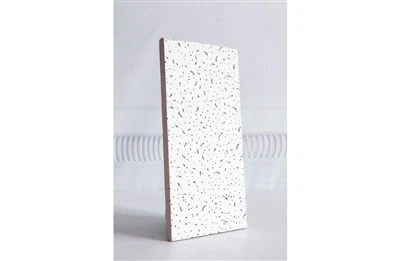
Hey there! As a supplier of white PVC gypsum board, I often get asked about its acoustic performance. So, I thought I'd write this blog to share all the deets with you.
First off, let's break down what white PVC gypsum board is. It's a composite material made up of a gypsum core covered with a PVC film. The white color gives it a clean and modern look, making it a popular choice for interior decoration in homes, offices, and commercial spaces.
Now, let's talk about the acoustic performance. Acoustic performance refers to how well a material can absorb, reflect, or transmit sound. In simple terms, it tells us how good the board is at reducing noise.
Sound Absorption
One of the key factors in acoustic performance is sound absorption. White PVC gypsum board has decent sound - absorbing properties. The gypsum core plays a crucial role here. Gypsum is a porous material, and these tiny pores help to trap sound waves. When sound waves hit the board, they enter these pores and lose their energy as they bounce around inside. This reduces the amount of sound that is reflected back into the room.
The thickness of the board also affects sound absorption. Thicker boards generally absorb more sound. For example, our White 8mm PVC Gypsum Board will absorb more sound compared to the White 7mm PVC Gypsum Board. The extra millimeter of thickness provides more space for the sound waves to be trapped and dissipated.
However, it's important to note that the sound - absorbing ability of white PVC gypsum board can be enhanced by using additional acoustic treatments. For instance, you can install acoustic insulation behind the board. This combination can significantly improve the overall sound - absorbing performance of the wall or ceiling.
Sound Reflection
Sound reflection is another aspect of acoustic performance. White PVC gypsum board has a relatively smooth PVC surface. This smooth surface can cause some sound reflection. But don't worry too much about it. The amount of sound reflected depends on the angle of incidence of the sound waves and the frequency of the sound.
Higher - frequency sounds are more likely to be reflected by the smooth surface. But since the gypsum core absorbs a fair amount of sound, the overall reflection is kept in check. In a well - designed room, the reflected sound can even contribute to a more balanced acoustic environment, as long as it's not excessive.
Sound Transmission
Sound transmission refers to how much sound passes through the board. White PVC gypsum board provides a certain level of sound insulation. The combination of the gypsum core and the PVC film acts as a barrier to sound. The gypsum core's density and the PVC film's properties help to block sound from traveling through the board.
Again, the thickness matters. A White 7.5mm PVC Gypsum Board will offer better sound insulation than a thinner board. If you're looking to create a quiet room, like a home theater or a recording studio, using a thicker white PVC gypsum board can make a big difference.
Real - World Applications
In real - world scenarios, the acoustic performance of white PVC gypsum board can have a significant impact. In a home, it can help reduce the noise from outside traffic, or the noise between different rooms. For example, if you have a noisy living room and a quiet bedroom next to it, installing white PVC gypsum board on the shared wall can minimize the sound transfer.
In commercial spaces like offices, it can create a more peaceful working environment. Open - plan offices can be quite noisy, but using white PVC gypsum board on the partitions and ceilings can help absorb the chatter and reduce the overall noise level.
In schools, it can be used in classrooms to improve the acoustic quality. Good acoustic performance in classrooms is essential for effective teaching and learning, as it allows students to better understand the teacher's instructions and reduces distractions.


Factors Affecting Acoustic Performance
Apart from thickness, there are other factors that can affect the acoustic performance of white PVC gypsum board. The installation method is crucial. If the boards are not installed properly, with gaps or improper sealing, sound can leak through these areas, reducing the overall acoustic performance.
The quality of the materials also matters. Higher - quality gypsum and PVC will generally provide better acoustic performance. At our company, we source the best materials to ensure that our white PVC gypsum boards meet high - quality standards.
The surrounding environment also plays a role. If the room has a lot of hard surfaces that reflect sound, it can affect the overall acoustic balance. In such cases, using white PVC gypsum board along with other acoustic treatments can help create a more pleasant sound environment.
How to Evaluate Acoustic Performance
If you're considering using white PVC gypsum board for its acoustic properties, there are a few ways to evaluate its performance. One common method is to look at the Sound Absorption Coefficient (SAC). This coefficient measures how much sound a material absorbs at different frequencies. A higher SAC value means better sound absorption.
Another important metric is the Sound Transmission Class (STC). The STC rating tells you how well a material can block sound from passing through it. A higher STC rating indicates better sound insulation.
When you're choosing a white PVC gypsum board, ask for these ratings from the supplier. We can provide you with detailed information about the SAC and STC ratings of our products.
Conclusion
In conclusion, white PVC gypsum board has good acoustic performance. It can absorb, reflect, and block sound to a certain extent, making it a great choice for a variety of applications. The thickness, quality of materials, installation method, and surrounding environment all play a role in determining its acoustic capabilities.
If you're interested in our white PVC gypsum boards and want to discuss their acoustic performance further or make a purchase, don't hesitate to get in touch. We're here to answer all your questions and help you find the right product for your needs. Whether it's for a small home project or a large commercial development, we've got you covered.
References
- “Building Acoustics: Principles and Practice” by Colin H. Hansen and Charles H. Hansen
- “Acoustics for Engineers” by F. Alton Everest and Ken C. Pohlmann