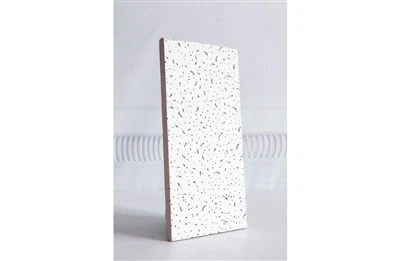
When it comes to acoustic solutions for buildings, acoustic mineral fiber boards are a go - to choice for many architects, contractors, and facility managers. As a supplier of these boards, I've seen firsthand the wide range of options available and the different performance characteristics they bring to the table. So, what exactly are the differences in performance between different types of acoustic mineral fiber board? Let's break it down.
Sound Absorption
One of the primary functions of acoustic mineral fiber boards is to absorb sound. Different types of boards can vary significantly in their sound - absorption capabilities.
The basics of sound absorption are measured by a coefficient called the Noise Reduction Coefficient (NRC). This is a number that ranges from 0 to 1, with 0 indicating no absorption (the sound is completely reflected) and 1 meaning total absorption.
Some of our standard acoustic mineral fiber boards with a simple, smooth surface might have an NRC of around 0.7 - 0.8. These are great for general indoor spaces like offices, classrooms, and small meeting rooms. They can reduce the amount of echo and reverberation, making conversations clearer and reducing overall noise levels.
On the other hand, our specialized perforated or textured acoustic mineral fiber boards can achieve an NRC of up to 0.95 or even higher in some cases. The perforations or textures create more surface area and pockets for sound waves to get trapped in. These high - performance boards are ideal for large auditoriums, concert halls, and recording studios where precise sound control is crucial. You can check out more about our high - end acoustic solutions here: Mineral Fiber Board.
Fire Resistance
Fire safety is a top concern in any building. Acoustic mineral fiber boards generally have good fire - resistant properties, but there are differences between types.
Our standard boards are made from inorganic mineral fibers, which are naturally non - combustible. They can typically achieve a Class A fire rating, which means they have high resistance to flame spread and smoke development. This rating is suitable for most commercial and residential applications.
However, for areas with more stringent fire - safety requirements, like elevator shafts, stairwells, or industrial facilities, we offer boards with enhanced fire - retardant additives. These specialized boards can withstand higher temperatures for longer periods and further limit the spread of fire and smoke. To learn more about our fire - resistant options, visit Mineral Fiber Board, Mineral Wool Ceiling Tiles.
Moisture Resistance
In environments where there's a risk of high humidity or moisture exposure, the moisture resistance of acoustic mineral fiber boards becomes a critical factor.
Our basic boards have some level of moisture resistance, but they are more suitable for dry or moderately humid indoor spaces. If the boards are exposed to excessive moisture, they may start to warp or lose their structural integrity over time.
For areas like bathrooms, kitchens, or basements, we've developed moisture - resistant acoustic mineral fiber boards. These boards are treated with special coatings or additives that prevent water absorption and mold growth. They maintain their shape and performance even in high - humidity conditions.
Aesthetic Appeal
The look of acoustic mineral fiber boards can vary widely, and this also affects their performance in terms of meeting design requirements.
Our smooth - surfaced boards offer a clean, modern look that can blend well with any interior design style. They are often used in contemporary office spaces or high - end retail stores where a sleek appearance is desired.
On the other hand, we have boards with various textures and patterns, such as wood - grain, stone - like, or geometric designs. These boards not only provide acoustic benefits but also serve as a decorative element in the room. They can transform an ordinary ceiling into an eye - catching feature. Check out our factory for a wide range of aesthetic options: Mineral Fiber Ceiling Tiles Factory.
Installation and Durability
The ease of installation and the durability of acoustic mineral fiber boards are also important performance differences.
Some of our lightweight boards are relatively easy to install, which can save time and labor costs during a construction project. They can be installed using a variety of methods, including direct - mount, suspension systems, or adhesive.
In terms of durability, boards made with high - quality mineral fibers and advanced manufacturing processes tend to last longer. They can resist wear and tear, such as scratches and impact damage. This is especially important in high - traffic areas or places where the boards may be subject to physical contact.
Cost - Performance Ratio
Finally, the cost - performance ratio is something that every customer considers.


Our standard acoustic mineral fiber boards offer a good balance between price and performance. They provide adequate sound absorption, fire resistance, and durability at a reasonable cost. These are a popular choice for budget - conscious projects.
The more specialized boards with enhanced performance features, such as high - NRC, superior fire resistance, or moisture resistance, come at a higher price. However, for projects where these specific performance characteristics are essential, the investment is often worth it in the long run.
If you're in the market for acoustic mineral fiber boards and want to discuss which type will best suit your project's needs, I encourage you to reach out. We're here to help you make an informed decision based on your specific requirements, whether it's about sound absorption, fire safety, aesthetics, or budget.
References
- Acoustical Society of America. (20XX). Standards for measuring sound absorption in building materials.
- National Fire Protection Association. (20XX). Fire safety codes for building materials.
- Building Science Corporation. (20XX). Research on moisture resistance in ceiling materials.