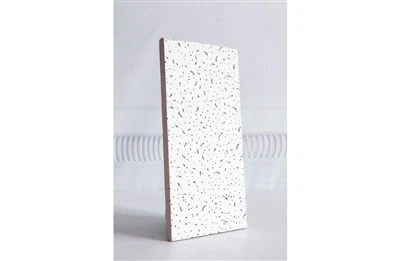
Hey there! As a supplier of sand mineral fiber ceiling boards, I often get asked about the heat insulation performance of these boards. So, I thought I'd take a moment to share some insights on this topic.
Let's start by understanding what sand mineral fiber ceiling boards are. These boards are made from a combination of sand and mineral fibers. The sand provides strength and durability, while the mineral fibers contribute to various properties, including heat insulation.
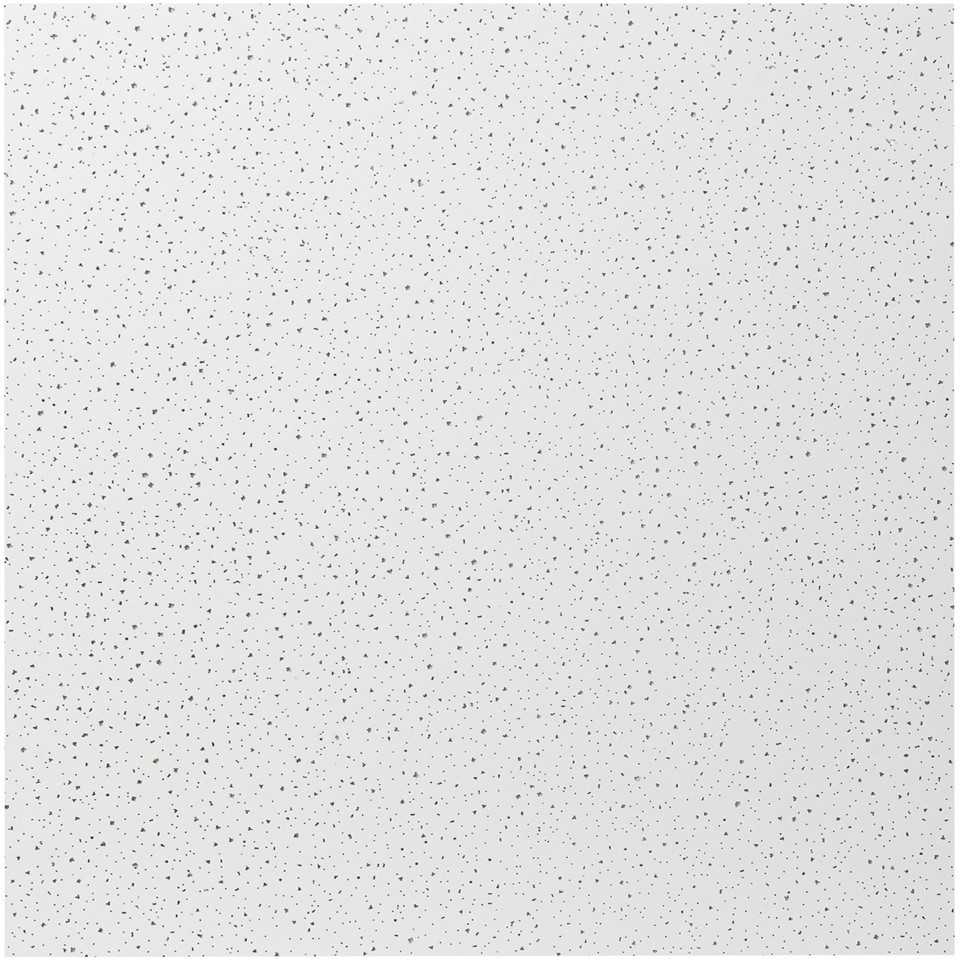

Now, let's dig into the heat insulation performance. Heat insulation is all about reducing the transfer of heat between different areas. In the case of ceiling boards, it means keeping the heat from escaping in the winter and preventing it from entering in the summer.
One of the key factors that determine the heat insulation performance of sand mineral fiber ceiling boards is their density. Generally, a higher - density board tends to have better heat insulation properties. The dense structure of the board acts as a barrier to heat transfer. When the board is installed on the ceiling, it slows down the movement of heat through the ceiling, which can significantly impact the energy efficiency of a building.
Another important aspect is the composition of the mineral fibers. The unique structure of these fibers creates small air pockets within the board. Air is a poor conductor of heat, so these air pockets act as insulators. They trap the heat and prevent it from passing through the board easily. For example, if you have a room with a sand mineral fiber ceiling board installed, the heat generated by a heater in the room will be less likely to escape through the ceiling, keeping the room warmer for longer periods.
In addition to the density and fiber composition, the thickness of the sand mineral fiber ceiling board also plays a role. Thicker boards usually offer better heat insulation. A thicker layer provides more material for the heat to pass through, and with the combined effect of the dense structure and air pockets, it can effectively reduce heat transfer.
Let's talk about some real - world applications. In residential buildings, sand mineral fiber ceiling boards can be a great choice for bedrooms, living rooms, and kitchens. By improving the heat insulation, they can help reduce heating and cooling costs. For instance, during the cold winter months, less heat will be lost through the ceiling, so you won't have to run your heater as often or at a high temperature. In the summer, the boards can prevent the hot outdoor air from seeping into the rooms, reducing the need for excessive air - conditioning.
In commercial buildings such as offices, shops, and restaurants, the heat insulation performance of sand mineral fiber ceiling boards can also have a significant impact. These buildings often have large areas to heat and cool, and any improvement in heat insulation can lead to substantial energy savings. Moreover, a well - insulated ceiling can create a more comfortable environment for employees and customers.
Now, I'd like to introduce some of our products. We offer a variety of sand mineral fiber ceiling boards, including the Square Sand Mineral Fiber Board. This board has a unique square design that not only looks great but also provides excellent heat insulation. It's made with high - quality sand and mineral fibers, ensuring long - lasting performance.
Our Mineral Fiber Wool Ceiling Tiles are another popular option. These tiles are soft and have a high density, which means they can effectively block heat transfer. They are also easy to install, making them a convenient choice for both DIY projects and professional installations.
If you're looking for a more general option, our Mineral Fiber Board is a great choice. It offers a good balance between heat insulation, strength, and cost - effectiveness.
When it comes to choosing the right sand mineral fiber ceiling board for your project, you need to consider several factors. First, think about the climate in your area. If you live in a cold climate, you may want to choose a thicker and denser board for better heat retention. In a hot climate, a board with good heat - blocking properties will be more suitable.
You also need to consider the aesthetic requirements of your space. Our boards come in different colors, textures, and designs, so you can find one that matches the overall style of your room.
In conclusion, the heat insulation performance of sand mineral fiber ceiling boards is quite impressive. Their unique composition and structure make them effective in reducing heat transfer, which can lead to energy savings and a more comfortable living or working environment.
If you're interested in our sand mineral fiber ceiling boards and want to learn more about our products or discuss your specific needs, feel free to reach out. We're always happy to help you find the best solution for your project. Whether you're a contractor, an interior designer, or a homeowner, we have the right products for you.
References
- Building Materials Handbook: A comprehensive guide on the properties and applications of various building materials, including sand mineral fiber ceiling boards.
- Energy Efficiency in Buildings: Research papers and studies on how different building components, such as ceiling boards, can contribute to energy savings.