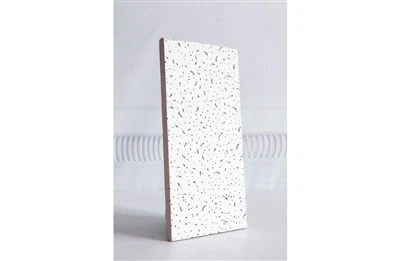
Hey there! As a supplier of square mineral fiber ceiling tiles, I've seen firsthand how these nifty products can really shake things up in terms of room acoustics. So, let's dive right in and explore the impact they have.
First off, what exactly are square mineral fiber ceiling tiles? Well, they're made from a blend of mineral fibers, binders, and other additives. These tiles come in a variety of sizes, textures, and designs, making them a popular choice for both residential and commercial spaces.
One of the key ways square mineral fiber ceiling tiles affect room acoustics is by absorbing sound. You know how in some rooms, every little noise seems to bounce around and echo? That's because the sound waves aren't being absorbed properly. Mineral fiber tiles are great at soaking up these sound waves, reducing reverberation and making the room feel quieter and more comfortable.
Let's talk about how this absorption works. When sound waves hit the surface of a mineral fiber ceiling tile, they get trapped in the tiny pores and fibers within the tile. This causes the sound energy to be converted into heat energy, effectively reducing the intensity of the sound. The more porous the tile, the better it is at absorbing sound.
For example, our Mineral Fiber Board, Mineral Wool Ceiling Tiles are designed with a high porosity to maximize sound absorption. They're perfect for spaces like offices, classrooms, and auditoriums where clear communication and a quiet environment are essential.
Another factor that affects the acoustic performance of square mineral fiber ceiling tiles is their thickness. Generally, thicker tiles tend to absorb more sound than thinner ones. This is because the additional thickness provides more material for the sound waves to interact with, increasing the chances of absorption.
However, it's not just about the thickness. The density of the tile also plays a role. A denser tile may have better sound insulation properties, which can help block out external noise from entering the room. On the other hand, a less dense tile may be more effective at absorbing internal sound reflections.
Our Tegular Sand Hole Mineral Fiber Board and Tegular Pinhole Mineral Fiber Board are both available in different thicknesses and densities to suit various acoustic needs. Whether you're looking to reduce noise within a room or block out external sounds, we've got you covered.

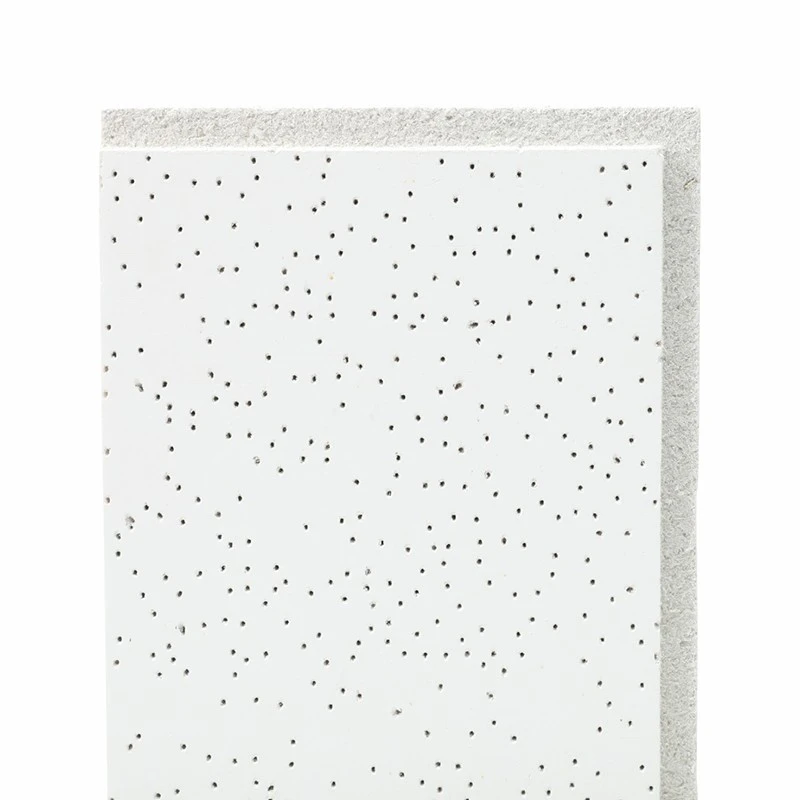
In addition to sound absorption, square mineral fiber ceiling tiles can also help with sound diffusion. Sound diffusion refers to the scattering of sound waves in different directions. This can create a more even distribution of sound throughout the room, reducing the formation of dead spots and improving the overall acoustics.
Some mineral fiber ceiling tiles are designed with special surface textures or patterns to enhance sound diffusion. These textures can break up the sound waves and redirect them in different directions, creating a more natural and balanced sound environment.
So, what are the benefits of having good room acoustics? Well, for starters, it can improve speech intelligibility. In a room with poor acoustics, it can be difficult to hear and understand what someone is saying, especially in larger spaces or when there's a lot of background noise. By using square mineral fiber ceiling tiles to absorb and diffuse sound, you can make it easier for people to communicate effectively.
Good acoustics can also enhance the overall comfort and productivity of a space. In an office setting, for example, a quiet and comfortable environment can help employees focus better and be more productive. In a classroom, it can improve the learning experience for students by making it easier to hear the teacher and participate in discussions.
In addition, having good room acoustics can also enhance the quality of audio and video playback. Whether you're watching a movie at home or giving a presentation in a conference room, clear and balanced sound is essential for a great experience. Square mineral fiber ceiling tiles can help create the ideal acoustic environment for these types of activities.
Now, let's talk about installation. Installing square mineral fiber ceiling tiles is relatively straightforward, but it's important to follow the manufacturer's instructions carefully. Make sure the ceiling is clean, dry, and level before installing the tiles. You may also need to use special adhesive or clips to secure the tiles in place.
If you're not comfortable installing the tiles yourself, it's always a good idea to hire a professional installer. They have the experience and tools necessary to ensure a proper and secure installation, which can help maximize the acoustic performance of the tiles.
In conclusion, square mineral fiber ceiling tiles have a significant impact on room acoustics. They can absorb and diffuse sound, reduce reverberation, improve speech intelligibility, and enhance the overall comfort and productivity of a space. Whether you're looking to upgrade the acoustics of your home, office, or commercial building, our range of square mineral fiber ceiling tiles is a great choice.
If you're interested in learning more about our products or discussing your specific acoustic needs, we'd love to hear from you. Just reach out to us for a friendly chat and we'll help you find the perfect solution for your space.
References
- Acoustics Handbook, Edited by Malcolm J. Crocker
- Building Acoustics, by Trevor Cox and Peter D'Antonio