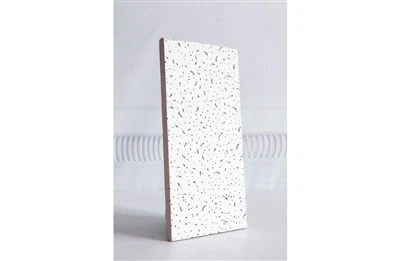
Pinhole mineral fiber ceiling tiles are a popular choice for both residential and commercial spaces due to their aesthetic appeal, acoustic properties, and fire resistance. As a supplier of these high - quality ceiling tiles, I often get asked about the installation clearance required for them. In this blog, I'll delve into the details of this important aspect to help you achieve a successful installation.
Understanding Pinhole Mineral Fiber Ceiling Tiles
Before we discuss the installation clearance, it's essential to understand what pinhole mineral fiber ceiling tiles are. These tiles are made from mineral fibers, which are often derived from recycled materials. They are designed with small pinholes on the surface, which not only enhance their visual appeal but also improve their acoustic performance by absorbing sound waves.
Our Mineral Fiber Ceiling and Square Pinhole Mineral Fiber Board products are crafted with precision, using high - grade materials to ensure durability and functionality. They come in various sizes, patterns, and thicknesses, allowing you to choose the ones that best suit your project requirements.
Factors Affecting Installation Clearance
The installation clearance for pinhole mineral fiber ceiling tiles is influenced by several factors. Let's take a closer look at each of them:
1. Structural Integrity
The structure of the ceiling where the tiles will be installed plays a crucial role in determining the clearance. If the ceiling structure is weak or uneven, additional clearance may be required to ensure proper support for the tiles. For example, in older buildings where the ceiling joists may have some degree of sagging, a greater clearance might be necessary to allow for the installation of support systems such as furring strips. These strips can help level the surface and provide a stable base for the tiles.
2. Ventilation Requirements
Proper ventilation is essential for the longevity of the ceiling tiles. Pinhole mineral fiber ceiling tiles can trap moisture if there is inadequate ventilation, which can lead to mold growth and damage to the tiles. The installation clearance should allow for sufficient air circulation above the tiles. In general, a clearance of at least 2 - 3 inches (5 - 7.6 cm) is recommended to ensure proper ventilation. This space allows air to flow freely, preventing the buildup of moisture and maintaining the integrity of the tiles.
3. Electrical and Plumbing Systems
If there are electrical wires or plumbing pipes running above the ceiling, the installation clearance must be sufficient to accommodate them. You need to ensure that there is enough space to access these systems for maintenance and repairs without damaging the ceiling tiles. In most cases, a clearance of 6 - 8 inches (15 - 20 cm) is advisable when dealing with electrical and plumbing installations. This extra space provides a buffer zone and makes it easier to work on these systems in the future.
4. Lighting Fixtures
The type and size of lighting fixtures that will be installed in the ceiling also affect the installation clearance. Recessed lighting fixtures, for example, require more space above the ceiling compared to surface - mounted fixtures. You need to consider the depth of the lighting fixtures and ensure that there is enough clearance for them to be installed properly. If the clearance is too small, the fixtures may not fit or may cause damage to the ceiling tiles during installation.
Recommended Installation Clearance
Based on the factors mentioned above, the recommended installation clearance for pinhole mineral fiber ceiling tiles can vary. However, a general guideline is as follows:
- Minimum Clearance: For a standard installation with no major obstructions such as electrical or plumbing systems, a minimum clearance of 2 inches (5 cm) is recommended. This allows for basic ventilation and some flexibility during installation.
- Typical Clearance: In most residential and commercial applications, a clearance of 4 - 6 inches (10 - 15 cm) is ideal. This provides enough space for ventilation, access to electrical and plumbing systems, and the installation of lighting fixtures.
- Maximum Clearance: While there is no strict maximum clearance, it's important to note that too much clearance can lead to increased heat loss and may require additional insulation. A clearance of more than 12 inches (30 cm) should be carefully considered, and additional insulation may be necessary to maintain energy efficiency.
Installation Process and Clearance
During the installation process, it's important to measure and ensure the correct clearance. Here are the steps to follow:
1. Measure the Ceiling
Use a tape measure to measure the height from the top of the ceiling joists to the lowest point where the tiles will be installed. This measurement will give you an idea of the available clearance.
2. Check for Obstructions
Inspect the area above the ceiling for any electrical wires, plumbing pipes, or other obstructions. Mark their locations and determine if any adjustments to the clearance are necessary.

3. Install Support Systems
If the ceiling structure is uneven or requires additional support, install furring strips or other support systems. Make sure that these systems are installed at the correct height to maintain the desired clearance.

4. Install the Tiles
Once the support systems are in place, install the Pinhole Mineral Fiber Ceiling Tiles. Ensure that the tiles are properly aligned and secured to the support structure.

Benefits of Maintaining Proper Installation Clearance
Maintaining the proper installation clearance for pinhole mineral fiber ceiling tiles offers several benefits:
1. Improved Durability
Proper ventilation and space for electrical and plumbing systems help prevent damage to the tiles. By allowing air to circulate freely and providing easy access to maintenance, the tiles are less likely to be affected by moisture, mold, or other issues that can reduce their lifespan.
2. Enhanced Acoustic Performance
The pinholes on the surface of the tiles are designed to absorb sound waves. When the installation clearance is correct, the acoustic performance of the tiles is optimized. Adequate space above the tiles allows the sound to be effectively absorbed and dissipated, creating a quieter and more comfortable environment.
3. Energy Efficiency
A proper clearance can also contribute to energy efficiency. By providing enough space for insulation, you can reduce heat loss and gain, which in turn can lower your energy bills. Additionally, proper ventilation helps maintain a stable temperature in the room, reducing the workload on your heating and cooling systems.
Contact Us for Your Pinhole Mineral Fiber Ceiling Tile Needs
If you're planning a ceiling installation project and need high - quality pinhole mineral fiber ceiling tiles, we're here to help. Our team of experts can provide you with detailed information about our products, including the installation requirements and clearance recommendations. Whether you're a contractor, architect, or a DIY enthusiast, we have the right solutions for your needs.
Don't hesitate to reach out to us for more information or to discuss your specific project requirements. We're committed to providing you with the best products and services to ensure a successful installation.
References
- Building Construction Handbook, by Edward Allen and Joseph Iano
- Acoustics for Dummies, by Jeff Stryker