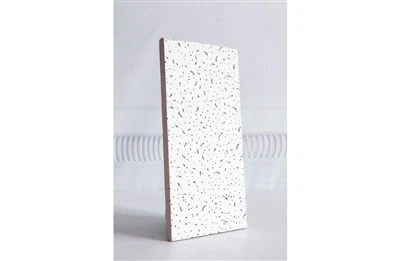
As a supplier of sand mineral fiber ceiling boards, I often get asked about the installation process, especially when it comes to sloped ceilings. Installing sand mineral fiber ceiling boards on a sloped ceiling can be a bit more challenging than on a flat one, but with the right tools, materials, and techniques, it can be a rewarding project that enhances the aesthetic and functional aspects of any space. In this blog post, I'll walk you through the step-by-step installation process of sand mineral fiber ceiling boards on a sloped ceiling.

Understanding Sand Mineral Fiber Ceiling Boards
Before we dive into the installation process, let's briefly understand what sand mineral fiber ceiling boards are. These boards are made from a combination of mineral fibers, sand, and other additives. They offer several benefits, including excellent acoustic performance, fire resistance, and aesthetic appeal. There are different types of sand mineral fiber ceiling boards available, such as Tegular Sand Hole Mineral Fiber Board and Tegular Sand Mineral Fiber Board, each with its unique design and characteristics. For more information on mineral fiber ceilings in general, you can visit Mineral Fiber Ceiling.

Tools and Materials Needed
- Tools: Measuring tape, chalk line, saw (hand saw or power saw), drill, screwdriver, staple gun, level, ladder, safety goggles, dust mask.
- Materials: Sand mineral fiber ceiling boards, furring strips, screws or nails, construction adhesive, staples, corner beads, caulk.
Step 1: Measure and Plan
The first step in any installation project is to measure the area of the sloped ceiling accurately. Use a measuring tape to determine the length and width of the ceiling. Take into account any angles or slopes, as these will affect the layout of the ceiling boards. Draw a detailed plan on paper, indicating the placement of the furring strips and the ceiling boards. This will help you visualize the project and ensure a smooth installation process.
Step 2: Install Furring Strips
Furring strips are wooden or metal strips that are installed perpendicular to the slope of the ceiling. They provide a stable base for the ceiling boards and help to level the surface. Start by attaching the furring strips to the ceiling joists using screws or nails. Make sure the strips are level and evenly spaced, typically 16 to 24 inches apart. Use a level to ensure the strips are straight and plumb.
Step 3: Cut the Ceiling Boards
Once the furring strips are installed, it's time to cut the sand mineral fiber ceiling boards to fit the sloped ceiling. Measure the length and width of each section of the ceiling and mark the measurements on the back of the ceiling boards using a pencil or chalk line. Use a saw to cut the boards along the marked lines. Be sure to wear safety goggles and a dust mask to protect yourself from dust and debris.

Step 4: Apply Adhesive
Before installing the ceiling boards, apply a thin layer of construction adhesive to the back of each board. This will help to secure the boards to the furring strips and prevent them from shifting or sagging over time. Use a notched trowel to spread the adhesive evenly across the back of the board.
Step 5: Install the Ceiling Boards
Carefully place the first ceiling board onto the furring strips, starting at one end of the ceiling. Press the board firmly against the strips to ensure good adhesion. Use a staple gun to secure the board to the furring strips at regular intervals, typically every 6 to 8 inches. Continue installing the remaining ceiling boards, working your way across the ceiling. Make sure to align the edges of the boards carefully and leave a small gap between each board to allow for expansion and contraction.

Step 6: Trim and Finish
Once all the ceiling boards are installed, use a saw to trim any excess material from the edges of the boards. This will give the ceiling a clean and professional look. Apply corner beads to the corners of the ceiling to protect the edges of the boards and give them a finished appearance. Use caulk to fill in any gaps or seams between the boards and the walls or ceiling joists. This will help to prevent air leaks and improve the overall insulation of the space.
Step 7: Clean Up
After the installation is complete, clean up the work area by removing any debris or dust. Vacuum the floor and wipe down the walls and ceiling to remove any fingerprints or smudges. Dispose of any waste materials properly.
Tips and Tricks
- Work in Sections: When installing the ceiling boards on a sloped ceiling, it's easier to work in sections. This will help you manage the weight of the boards and ensure a more accurate installation.
- Use a Helper: Installing ceiling boards on a sloped ceiling can be a two-person job. Having a helper to hold the boards in place while you secure them can make the process much easier and safer.
- Take Your Time: Installing sand mineral fiber ceiling boards on a sloped ceiling requires patience and attention to detail. Take your time to measure, cut, and install the boards correctly to ensure a professional-looking finish.
- Follow Safety Precautions: Always wear safety goggles, a dust mask, and other appropriate safety gear when working with ceiling boards. Follow all safety instructions provided by the manufacturer of the tools and materials you are using.
Conclusion
Installing sand mineral fiber ceiling boards on a sloped ceiling can be a challenging but rewarding project. By following the steps outlined in this blog post and using the right tools and materials, you can achieve a beautiful and functional ceiling that enhances the value and comfort of your space. If you have any questions or need further assistance with the installation process, please don't hesitate to contact us. We are a leading supplier of sand mineral fiber ceiling boards and can provide you with the highest quality products and expert advice. Whether you're a DIY enthusiast or a professional contractor, we're here to help you make your project a success. Reach out to us today to discuss your requirements and start the procurement process.
References
- "Ceiling Installation Guide." Manufacturer's Manual.
- "Building Codes and Regulations for Ceiling Installations." Local Building Department.