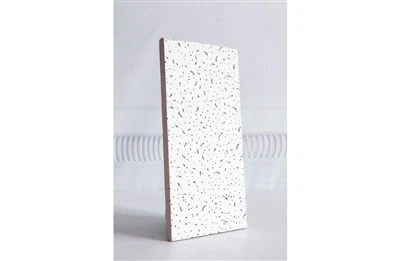
Hey there! As a supplier of mineral fiber boards, I often get asked about the moisture - absorption rate of these boards. It's a crucial factor to consider, especially when you're thinking about where and how to use them. So, let's dig into what the moisture - absorption rate of mineral fiber board is all about.
First off, what exactly is a mineral fiber board? Mineral fiber boards are made from natural or synthetic mineral fibers. These fibers are typically derived from rocks like basalt or from industrial by - products. They're known for their excellent acoustic and thermal insulation properties, making them a popular choice in construction for ceilings, walls, and partitions.
Now, onto the moisture - absorption rate. The moisture - absorption rate of a mineral fiber board refers to the amount of water the board can absorb when exposed to a humid environment. It's usually measured as a percentage of the board's dry weight. For example, if a dry board weighs 100 grams and after being exposed to a specific humidity level for a set period, it weighs 105 grams, the moisture - absorption rate is 5%.
Several factors can influence the moisture - absorption rate of mineral fiber boards. One of the main factors is the density of the board. Generally, higher - density mineral fiber boards tend to have a lower moisture - absorption rate. This is because the fibers are more tightly packed, leaving fewer spaces for water molecules to penetrate.
The manufacturing process also plays a big role. Boards that are treated with water - repellent agents during production will have a lower moisture - absorption rate compared to untreated ones. These agents create a barrier on the surface of the fibers, preventing water from seeping in.
The type of mineral fiber used can also affect the moisture - absorption rate. Some natural mineral fibers may have a higher affinity for water than synthetic ones. For instance, certain types of rock - derived fibers might absorb more moisture due to their porous nature.
So, why does the moisture - absorption rate matter? Well, if a mineral fiber board absorbs too much moisture, it can lead to several problems. Firstly, it can cause the board to swell. Swelling can distort the shape of the board, making it difficult to install or fit properly in a space. It can also affect the structural integrity of the board over time.
Secondly, a high moisture - absorption rate can promote the growth of mold and mildew. Mold and mildew not only look unappealing but can also pose health risks, especially for people with respiratory issues.
When it comes to our product range, we offer different types of mineral fiber boards, each with its own moisture - absorption characteristics. For example, our Tegular Pinhole Mineral Fiber Board has been engineered to have a relatively low moisture - absorption rate. This makes it suitable for areas with moderate humidity, such as offices and classrooms.
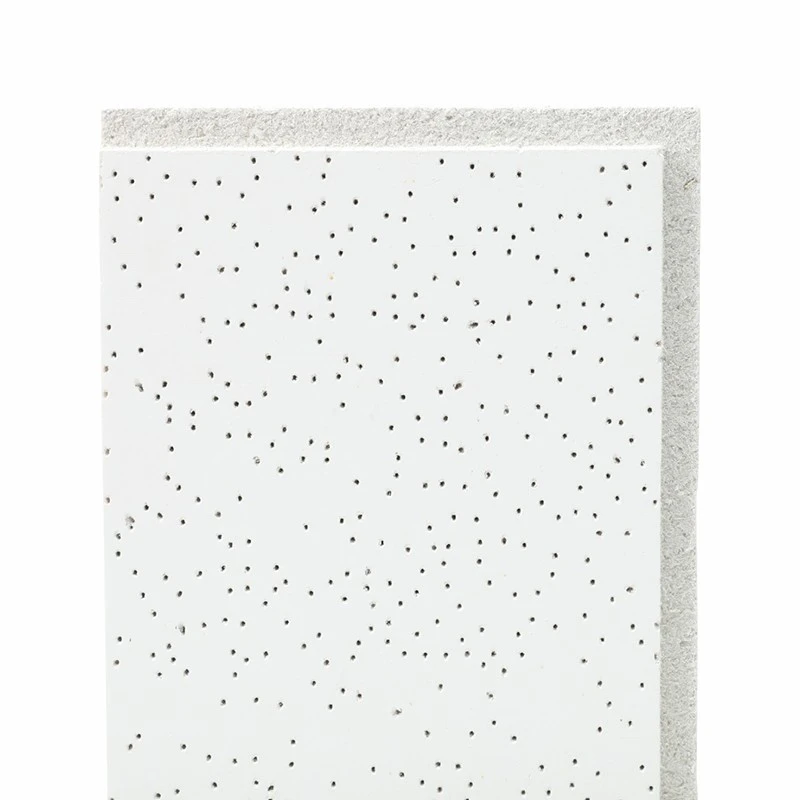
Our Square Fine Fissure Mineral Fiber Board is another great option. It's designed with a special surface finish that helps to reduce moisture absorption. This board is ideal for spaces where aesthetics are important, like hotels and restaurants.
And then there's our Square Sand Mineral Fiber Board. It combines good moisture - resistance with excellent acoustic performance. This board is often used in auditoriums and theaters where both sound quality and moisture control are crucial.
To measure the moisture - absorption rate of our mineral fiber boards, we follow strict industry standards. We expose samples of the boards to a controlled environment with a specific humidity level for a set period. After that, we weigh the samples to determine the amount of moisture absorbed.
We also conduct long - term testing to ensure that our boards maintain their performance over time. This includes exposing the boards to cycles of high and low humidity to simulate real - world conditions.
When you're choosing a mineral fiber board, it's important to consider the moisture - absorption rate based on the intended use. If you're installing the board in a bathroom or a basement, where humidity levels are typically high, you'll want a board with a very low moisture - absorption rate.
On the other hand, if the board is going to be used in a dry environment, like a storage room, a slightly higher moisture - absorption rate might be acceptable.
We understand that every project is unique, and that's why we're here to help. Our team of experts can provide you with detailed information about the moisture - absorption rates of our different products and help you choose the right board for your needs.

If you're interested in learning more about our mineral fiber boards or have any questions about the moisture - absorption rate, don't hesitate to reach out. We're always happy to have a chat and discuss how our products can fit into your project. Whether you're an architect, a contractor, or a DIY enthusiast, we're here to support you every step of the way.
In conclusion, the moisture - absorption rate of mineral fiber board is an important factor to consider when making a purchase. It can affect the performance, durability, and appearance of the board. By choosing the right board with an appropriate moisture - absorption rate, you can ensure that your project is a success.
References
- Building Materials Handbook: Mineral Fiber Products
- Industry Standards for Moisture Testing of Mineral Fiber Boards