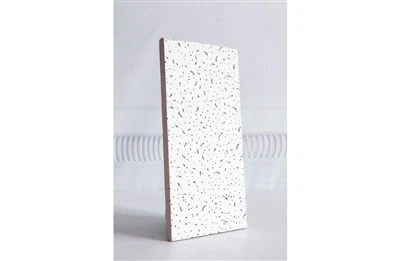
When it comes to using colored mineral fiber ceiling boards, proper ventilation is crucial for several reasons, including maintaining indoor air quality, prolonging the lifespan of the ceiling boards, and ensuring the comfort and health of the occupants. As a supplier of colored mineral fiber ceiling boards, I am well - versed in the technical aspects of these products and understand the significance of ventilation in their application.
The Importance of Ventilation for Colored Mineral Fiber Ceiling Boards
Colored mineral fiber ceiling boards are made from mineral fibers, binders, and pigments. During the manufacturing process, small amounts of chemicals may be used. Adequate ventilation helps to remove any residual volatile organic compounds (VOCs) that might be emitted from the ceiling boards. VOCs can cause various health problems, such as headaches, eye irritation, and respiratory issues. By providing good ventilation, we can significantly reduce the concentration of these harmful substances in the indoor environment.
Moreover, ventilation plays a vital role in controlling humidity levels. High humidity can cause the colored mineral fiber ceiling boards to absorb moisture, which may lead to sagging, warping, and the growth of mold and mildew. Mold not only damages the aesthetic appearance of the ceiling but also poses a serious health risk to the people in the building. Proper ventilation helps to keep the humidity at an optimal level, usually between 30% - 50%, to prevent these issues.
Recommended Ventilation Rates
The ventilation rate required when using colored mineral fiber ceiling boards depends on several factors, such as the size of the room, the number of occupants, and the activities carried out in the space. According to the American Society of Heating, Refrigerating and Air - Conditioning Engineers (ASHRAE), the minimum ventilation rate for general office spaces is 0.35 cubic feet per minute per square foot (cfm/ft²). For spaces with higher occupancy or more pollutant - generating activities, such as classrooms or kitchens, a higher ventilation rate may be needed.
In a small room with an area of about 100 square feet, a ventilation rate of at least 35 cfm is recommended. For larger rooms, say 500 square feet, the ventilation rate should be at least 175 cfm. It is important to note that these are just minimum requirements, and in some cases, a higher ventilation rate may be necessary to ensure good air quality and protect the ceiling boards.
Types of Ventilation Systems
There are several types of ventilation systems that can be used in conjunction with colored mineral fiber ceiling boards:
Natural Ventilation
Natural ventilation is the simplest and most cost - effective way to ventilate a space. It relies on the natural movement of air through windows, doors, and vents. By opening windows and doors, fresh air can enter the room, and stale air can be expelled. However, natural ventilation has its limitations. It is highly dependent on the weather conditions, and in areas with extreme temperatures or high levels of outdoor pollution, it may not be sufficient.
Mechanical Ventilation
Mechanical ventilation systems use fans and ducts to move air in and out of the building. There are three main types of mechanical ventilation systems:


- Exhaust - only ventilation: This system uses exhaust fans to remove stale air from the building. It creates negative pressure inside the building, which draws fresh air in through cracks and openings. While it is relatively inexpensive to install, it may not provide uniform ventilation throughout the space.
- Supply - only ventilation: Supply - only ventilation systems use fans to bring fresh air into the building. They create positive pressure, which forces stale air out through cracks and openings. This type of system is effective in providing fresh air but may not remove pollutants as efficiently as other systems.
- Balanced ventilation: Balanced ventilation systems use both supply and exhaust fans to ensure a balanced flow of air in and out of the building. They are the most effective in maintaining good air quality and controlling humidity levels. They can be further divided into heat recovery ventilation (HRV) and energy recovery ventilation (ERV) systems. HRV systems recover heat from the exhaust air and transfer it to the incoming fresh air, while ERV systems also recover moisture, making them more suitable for areas with extreme humidity.
Considerations for Different Spaces
Residential Spaces
In residential spaces, such as bedrooms and living rooms, natural ventilation can be used during mild weather conditions. However, for kitchens and bathrooms, where moisture and pollutants are generated, mechanical ventilation is essential. For example, a range hood in the kitchen and an exhaust fan in the bathroom can help to remove steam, odors, and pollutants. When installing colored mineral fiber ceiling boards in these areas, make sure that the ventilation system is properly sized and installed to prevent moisture damage.
Commercial Spaces
Commercial spaces, such as offices, stores, and restaurants, usually require more complex ventilation systems. In offices, a balanced ventilation system is recommended to ensure a comfortable and healthy working environment. In stores, especially those with high - traffic areas, a high - volume ventilation system may be needed to remove pollutants generated by customers and products. Restaurants, on the other hand, need a powerful ventilation system to remove cooking fumes, smoke, and odors.
Product - Specific Considerations
Different types of colored mineral fiber ceiling boards may have different ventilation requirements. For example, the Square Pinhole Mineral Fiber Board has a unique pinhole design, which may affect the airflow in the room. The pinholes can act as small air channels, but proper ventilation is still needed to ensure that the air is circulated effectively.
The Square Sand Mineral Fiber Board has a sand - like surface, which may attract dust and pollutants. Good ventilation can help to keep the surface clean and prevent the accumulation of dirt.
The Mineral Fiber Board, Mineral Wool Ceiling Tiles are known for their sound - absorbing properties. However, in areas with high humidity, they may be more prone to moisture damage. Therefore, proper ventilation is crucial to maintain their performance and appearance.
Contact for Purchase and Consultation
If you are interested in purchasing our high - quality colored mineral fiber ceiling boards or need more information about ventilation requirements for your specific project, please feel free to contact us. Our team of experts is ready to provide you with professional advice and solutions. We can help you choose the right type of ceiling boards and ventilation system for your space to ensure a comfortable, healthy, and aesthetically pleasing environment.
References
- American Society of Heating, Refrigerating and Air - Conditioning Engineers (ASHRAE). "Ventilation for Acceptable Indoor Air Quality." ASHRAE Standard 62.1.
- Indoor Air Quality Association (IAQA). "Best Practices for Ventilation in Buildings."
- Building Science Corporation. "Ventilation Strategies for Moisture Control."